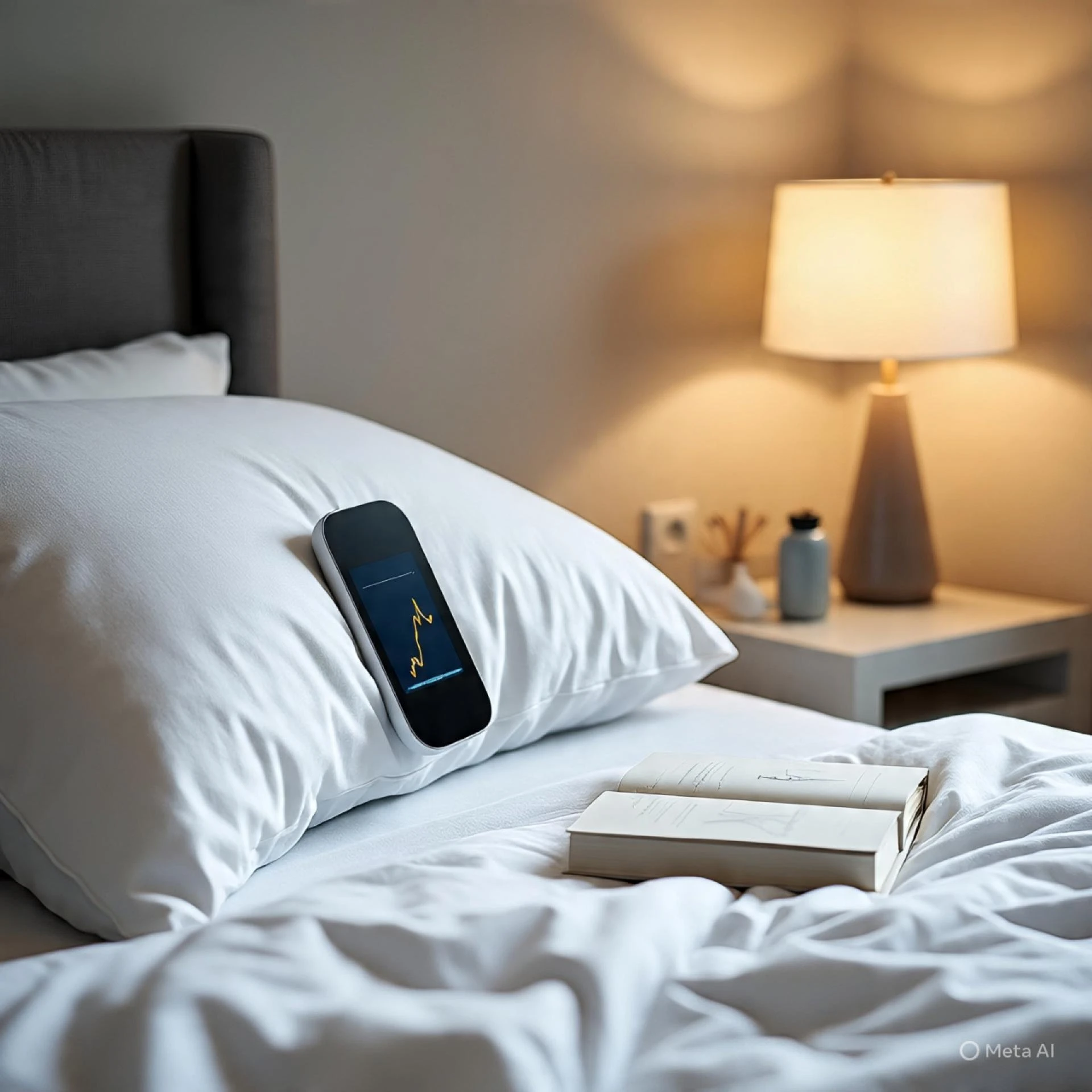
Sleep is one of the most important parts of human health. Just like food and exercise, sleep gives our body the energy to function properly. Without good sleep, you may feel tired, stressed, and even fall sick more often. Sadly, in today’s busy lifestyle, many people do not get the proper rest they need. They either sleep late, wake up often during the night, or feel exhausted even after hours in bed.
This is where a Sleep Tracking Device can be very useful. A sleep tracking device is a modern gadget that helps you understand your sleeping habits. It shows how much time you spend in deep sleep, light sleep, or awake during the night. It also points out problems like restless sleep, irregular patterns, or lack of proper rest.
The popularity of sleep tracking devices has grown quickly because people now realize how important good sleep is. In this article, we will discuss how these devices work, their benefits, types, features, and tips for use. We will also look at the future of sleep tracking technology. By the end, you will see why investing in a sleep tracking device can be a smart choice for your health and lifestyle.
How Does a Sleep Tracking Device Work?
A sleep tracking device works by using sensors to monitor your body while you rest. These sensors can detect movements, breathing rate, heart rate, and even sound patterns. By analyzing these signals, the device can show what stage of sleep you are in.
For example, when your body is very still and your heart rate is low, the device records it as deep sleep. When you toss, turn, or breathe irregularly, it marks this as light sleep. Some devices even record how many times you wake up at night. All this information is then displayed in the form of graphs or simple sleep scores that are easy to understand.
There are two main types of trackers—wearable and non-wearable. Wearable devices are like smartwatches or fitness bands worn on the wrist. They track your sleep through direct contact with your body. Non-wearable devices are placed under the mattress or near the bed and monitor your sleep without needing to be worn.
In short, a sleep tracking device silently works in the background while you rest. It does not disturb your sleep but collects useful data that can help you make lifestyle changes for better health. It is like having a personal sleep coach that guides you toward improved rest.
Benefits of Using Sleep Tracking Devices
Using a sleep tracking device can bring many positive changes to your health and lifestyle. The biggest benefit is awareness. Many people think they are sleeping enough, but in reality, their sleep quality may be poor. By seeing the actual data, you can understand whether your sleep is truly restful or not.
Another benefit is better energy and mood. Poor sleep is often the reason behind morning tiredness, lack of focus, and irritability. A sleep tracker shows what is disturbing your rest, such as waking up often, going to bed late, or sleeping in an uncomfortable environment. With this knowledge, you can make small changes to improve your sleep.
Many devices also come with smart alarms that wake you up during light sleep. This means you feel fresher in the morning instead of groggy. Some devices even give personal tips, like suggesting an earlier bedtime, adjusting your room temperature, or avoiding late-night screen use.
In the long run, using a sleep tracking device can improve overall health. Good sleep lowers the risk of stress, heart problems, and obesity. Athletes and fitness lovers also benefit because quality rest helps with recovery and better performance.
Overall, a sleep tracking device can help you sleep smarter, wake up fresher, and live a healthier life.
Different Types of Sleep Tracking Devices
There are different types of sleep tracking devices, and each has its own style and benefits.
The most popular type is wearable devices. These are usually in the form of smartwatches or fitness bands. They not only track your sleep but also measure daily activities like steps, heart rate, and calories. Wearables are best for people who want a complete health-monitoring gadget.
The second type is non-wearable trackers. These are placed under the mattress, under the pillow, or on the bedside table. They monitor your movements, breathing, and sometimes even snoring without touching your body. These are great for people who find wearables uncomfortable while sleeping.
The third type is bedside trackers. These small devices are placed near your bed and use sound waves or radar technology to track sleep. They are easy to set up but may provide less detailed information compared to wearables.
Some advanced sleep tracking devices can connect with smart home systems. They can adjust your bedroom’s light, play soothing sounds, or control the temperature to create the perfect sleep environment.
Each type of device has advantages. Wearables provide detailed information, non-wearables offer comfort, and bedside trackers are simple to use. The right choice depends on your personal needs and comfort.
Key Features to Look For in Devices
When buying a sleep tracking device, it is important to check the features it offers. Not all devices are the same, and the right features can make a big difference.
The first feature to look for is accuracy. A good tracker should provide clear and reliable data about your sleep cycles. Devices with heart rate monitoring and movement sensors usually give more accurate results.
The second feature is comfort. If it is a wearable device, it should be lightweight and not disturb your sleep. Non-wearable trackers should fit easily under the mattress or pillow without causing inconvenience.
A very useful feature is the smart alarm. This wakes you up gently when you are in light sleep, making mornings easier and more refreshing.
Many advanced devices also offer extra health tracking like heart rate, stress level, and oxygen monitoring. This gives a complete picture of your health. Another important feature is a user-friendly app. The app should clearly show your sleep data, give easy-to-read reports, and provide simple tips for improvement.
Lastly, check the battery life. Devices that need frequent charging can become inconvenient. A good device should last several days on a single charge.
By keeping these features in mind, you can select the best sleep tracking device for your lifestyle.
Tips for Using Sleep Tracking Devices Effectively
To get the best results from your sleep tracking device, it is important to use it correctly. Here are some useful tips:
First, use it regularly. Wearing it for only a few nights will not give you the full picture. Consistent use helps you track long-term patterns and trends.
Second, analyze your reports daily. Look at the data and see what is affecting your rest. If the device shows poor quality sleep, try making simple changes like going to bed earlier, keeping your room dark, or reducing noise.
Third, don’t overthink the numbers. Remember, the device is a guide, not a medical tool. Use the data to make improvements, but don’t stress if your sleep score is not perfect.
Fourth, combine tracking with healthy habits. Avoid heavy meals, caffeine, and long screen time before bed. Instead, try reading, meditation, or listening to calming music to relax before sleeping.
Finally, keep your device clean and updated. If it’s wearable, make sure it is comfortable and does not irritate your skin.
By following these tips, your sleep tracking device will not just collect data but also help you improve your overall health and lifestyle.
Future of Sleep Tracking Technology
The future of sleep tracking devices looks very exciting. Technology is improving rapidly, and soon these gadgets will not only track sleep but also actively improve it.
Some devices are already using artificial intelligence (AI) to provide personalized advice. For example, they may suggest when to go to bed, what foods to avoid, or how to adjust your daily routine for better rest.
Future devices may also detect early signs of sleep disorders such as insomnia or sleep apnea. This could help people take action before the problem becomes serious.
Another big change we may see is non-contact devices that can track sleep without being worn or placed under the bed. These will make sleep tracking even more comfortable.
Also, the integration of smart home systems will grow. Imagine your tracker automatically lowering the room temperature, dimming the lights, and playing calming music when it’s time to sleep.
In short, the future of sleep tracking devices is full of possibilities. They will become more accurate, more helpful, and more connected with our daily lives.
Conclusion
A sleep tracking device is more than just a gadget—it is a helpful tool for better health and well-being. It gives you awareness of your sleep patterns, helps improve your lifestyle, and makes sure you wake up fresh and ready for the day.
From wearable smartwatches to advanced non-contact trackers, there are many options available. The right device for you depends on your comfort and needs. With the correct choice and proper use, you can transform your sleep and overall health.
In today’s busy and stressful life, investing in a sleep tracking device is one of the smartest decisions you can make for your future well-being.
Questions and Answers
Q1: What is a sleep tracking device?
A sleep tracking device is a gadget that monitors your sleep patterns and gives data on your rest quality.
Q2: Are sleep tracking devices accurate?
Yes, most modern devices use sensors to track movement, heart rate, and breathing to provide accurate data.
Q3: Are sleep tracking devices safe?
Yes, they are safe. They only record data passively and do not disturb your body.























Sign in to leave a comment.