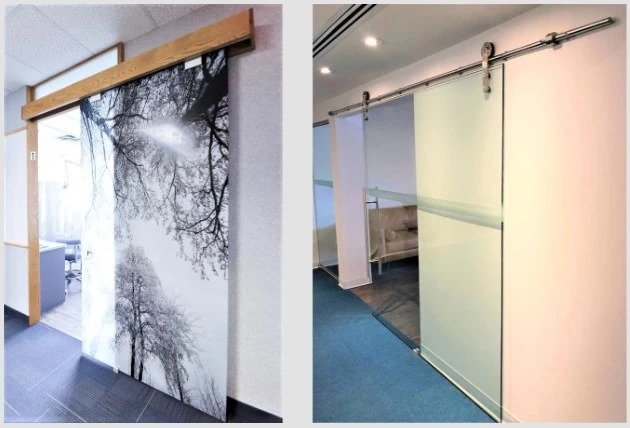

Commercial sliding doors do more than just saving space. Proper hardware enhance the smoothness of operation, increase security, and minimize wear and tear. Picking the right hardware ensures safety and adherence with local building regulations. No matter if it is for a busy retail storefront, office entrance, or even an interior space division, choosing the perfect sliding door hardware will enhance efficiency and appearance.
This guide will help you determine which alternatives are available and how to find the most appropriate fit for your space. From the outdoor stair nosing system to door operator selections, each detail counts.
Smart Choices for Sliding Door Systems in Commercial Spaces
Sliding doors provide many benefits in areas with high traffic. They can save space, increase accessibility, and offer stylish appearance. Picking the ideal hardware is not just about looks. It is also about securing your property and withstanding the intensity of daily use.
Picking the right product is important when investing in sliding door hardware. From swing doors to access-controlled systems, commercial settings require sturdy, high-quality, functional parts that work effectively under stress.
Let’s explore how to pick the ideal commercial sliding door system and why each part is important.
What to Consider When Choosing Sliding Door Hardware
When choosing hardware for a commercial sliding door, durability, safety, and code compliance are to be considered. Think about the door type, frame, and the level of foot traffic. Check compatibility with access control systems and concentrate on the smooth operation. Quality materials and a proper installation prevent the chances of damage over time.
Know the Door Type: Not all sliding doors are created the same. Some slide along the wall, others disappear into it, and some even stack. Depending on your space and design, you’ll need different commercial door hardware. Glass doors need stronger tracks; wood need smoother rollers. Match the system to the door's size, material, and movement.
Understand Usage Needs: Doors in high traffic areas go through constant use. This means there are more chances of damage and failure. If your commercial setting experiences continuous movement of people in and out, you need top quality components and strong mechanisms that ensure smooth functioning, like sturdy tracks and rollers. Avoid light weight options meant for homes.
Match the Door Frame and Wall Type: The wall and door frame holding the system must be able to handle the weight and stress. Drywall cannot hold the same hardware as concrete. The door will not slide smoothly if the frame shifts or is not aligned properly. Solid structure guarantees long-term stability and helps prevent damage to the track or door operator.
Security Requirements: Every commercial space has its own level of security. Some doors need a simple lock. Others need access-controlled systems that work with badges or codes. If security matters, choose sliding door hardware that allows electronic locking. Always match the system to your safety standards and user control needs.
Check Local Building Codes: Local building codes vary, especially between provinces or states. These codes decide how doors should open, close, and lock in emergencies. Before installation, check for legal guidelines. Any hardware that is not aligned with standards could lead to costly revisions or inspection failures. It is good to be safe than repeating the work later.
Choose Durable Materials: If you are looking for materials that can withstand the hustle and bustle of a busy space, stainless steel and aluminum are the ideal choices. The best part, they don’t rust or get easily scratched. For lasting use, pick materials designed for sliding door systems in a commercial environment, not those that are made for home setups.
Noise and Accessibility: In quieter settings, like clinics or libraries, doors should not squeak or bang. Look for silent gliding systems and soft-close features. If accessibility is a concern, choose automatic door operators. They provide easy access to the door without having to open the door and are ideal to ensure comfort with accessibility standard for public spaces.
Additional Considerations for Long-Term Use
A few additional considerations can make the sliding door hardware last a lot longer and perform better. These essential considerations will ensure that your door system is reliable in your commercial setting, particularly in busy spaces.
Easy Maintenance: Not all sliding door hardware needs constant upkeep. Choose tracks with no grease or self-lubricating rollers. They can save you time and can cut down on service calls. Hardware that are easy to maintain and does not hold dust or other debris help keep your commercial space operating smoothly and help prevent wear and tear over time.
System Compatibility: Not every component fits every system. Always make sure the new commercial door hardware matches your existing sliding door systems. Mixing incompatible parts causes problems – poor fit, loud noises, or damage to the door frame. Check with a trusted installer to avoid replacing something that doesn’t belong in your setup.
Integration with Existing Architecture: A door system should work well and appear like it is meant to be there. Select sleek finishes, low-profile tracks, or hidden hardware that matches the flooring and walls. If it is glass partitions or steel panels the hardware for your sliding door must blend in with the room and not stand out as an added feature that was made at the last minute.
Replacing Swing Doors: Swing doors take up more space than many realize. Replacing them with sliding doors can improve movement in tight areas, but it takes planning. You’ll likely need to reinforce the door frame to support new tracks and rollers. The switch improves smooth operation and space flow, if done properly.
Weather Exposure: Exterior doors need extra care. Wind, rain, or salt can wear out parts faster. Use corrosion-resistant materials and sealed tracks. Also, install outdoor stair nosing where needed, especially near doorways. It helps with traction and follows local building codes, keeping entry points both safe and functional in all seasons.
Final Thought
Selecting the best sliding door hardware is not only a matter of technicality. It affects the daily usage, safety, and building value. When you look beyond the door’s frame, environment, and compliance, you make the right choice for your commercial space.
The same care should be paid to the surrounding elements such as the outdoor stair nosing. These tiny details ensure secure, functional, and dependable entry points.
When making little upgrades or installing a new sliding door, high-quality, reliable, code-compliant, and user-friendly features are worth investing. Pick something that won’t give you trouble down the road.





























Sign in to leave a comment.