

Running a small business often comes with challenges, and one of the biggest hurdles is securing sufficient funds to maintain and expand operations. From covering daily expenses to investing in new opportunities, access to capital plays a critical role in determining whether a business can thrive in today’s competitive marketplace. This is where small business loans become a vital financial tool for entrepreneurs who want to keep their companies strong and future-ready.
Unlike larger corporations that often have ample reserves or easy access to investors, small businesses frequently rely on external financing. Loans tailored for small businesses provide owners with the resources they need to sustain operations, seize new opportunities, and weather unforeseen challenges.
Why Small Business Loans Matter
Small business owners face unique financial obstacles that larger enterprises may not encounter. Limited revenue, irregular cash flow, and restricted access to traditional credit sources can make growth difficult. With the right financing, however, these challenges can be transformed into opportunities.
- Working Capital Support – Day-to-day expenses like payroll, inventory, and rent often require immediate funding. A small business loan ensures that essential operations are not disrupted.
- Business Expansion – Whether it’s opening a new location, purchasing advanced equipment, or hiring additional staff, small business loans provide the capital required to scale up.
- Emergency Funding – Sudden expenses or market downturns can threaten stability. Access to financing allows businesses to stay resilient during unpredictable circumstances.
- Credit Building – Timely repayment of loans also helps in improving the company’s overall credit score, making it easier to access larger funding opportunities in the future.
Types of Small Business Loans
Different types of small business loans are available, each designed to meet specific needs. Some of the most common include:
- Term Loans – A fixed amount borrowed and repaid over time with interest. Ideal for long-term investments like equipment purchases or expansion.
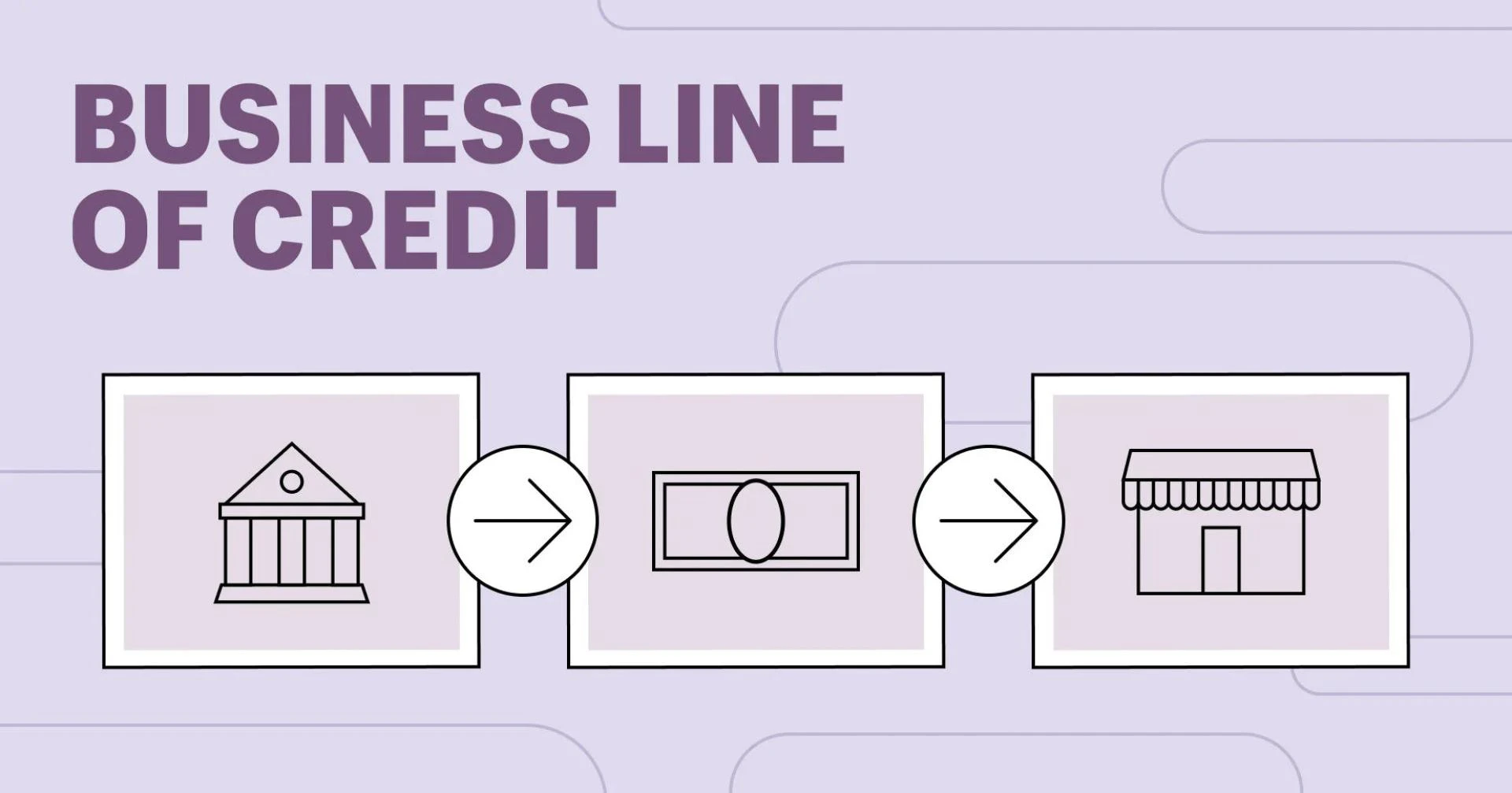
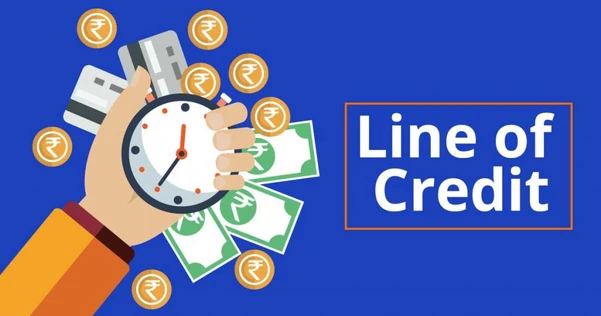
- Business Line of Credit – Offers flexible access to funds as needed, similar to a credit card, making it suitable for managing fluctuating expenses.
- SBA Loans – Government-backed loans with favorable terms for small businesses that might struggle to qualify for traditional financing.
- Invoice Financing – Allows businesses to borrow against unpaid invoices, ensuring smoother cash flow.
- Merchant Cash Advances – Provide fast access to funds, repaid through future sales, though typically at higher costs.
Each loan type serves a distinct purpose, and the right option depends on the company’s financial goals, repayment capacity, and urgency of need.
How Credit Score Impacts Loan Approval
One of the most critical factors in obtaining small business loans is the credit score of the business owner. Lenders use credit scores to evaluate the risk of lending. A strong score demonstrates responsible financial management and increases the chances of approval with better interest rates.
For business owners with poor credit, securing financing can be more challenging. However, this is where credit repair service providers can play a vital role. By addressing errors on credit reports, negotiating with creditors, and offering financial guidance, these services help entrepreneurs improve their creditworthiness over time.
Better credit not only increases the likelihood of loan approval but also ensures more favorable repayment terms, ultimately reducing the financial burden on the business.
Benefits of Small Business Loans
When used responsibly, small business loans offer numerous advantages, such as:
- Improved Cash Flow – Businesses can cover immediate expenses without draining reserves.
- Opportunity for Growth – Funding allows investment in expansion, technology, or talent acquisition.
- Strengthened Market Position – With adequate capital, businesses can stay competitive and adapt to changing market demands.
- Building Financial History – Consistent repayment strengthens the company’s credit profile, unlocking more options in the future.
These benefits collectively help businesses achieve stability and long-term sustainability.
Common Challenges and How to Overcome Them
While small business loans are beneficial, they also come with challenges:
Strict Qualification Criteria – Many lenders require detailed documentation, solid financial history, and good credit. Entrepreneurs with weaker credit may face rejections.
- Solution: Work with alternative lenders, or use credit repair service providers to improve credit before applying.
High Interest Rates – Some loans, particularly quick-access ones like merchant cash advances, come with high costs.
- Solution: Research and compare multiple lenders to find affordable options.
Debt Burden – Mismanaging loan repayments can lead to financial strain.
- Solution: Borrow only what is necessary and create a realistic repayment plan.
By being aware of these challenges, small business owners can take proactive steps to maximize the advantages of financing while minimizing risks.
The Role of Credit Repair Services
For entrepreneurs struggling with poor credit, credit repair services are a powerful resource. These professionals review credit reports for inaccuracies, dispute errors with credit bureaus, and provide strategies to build a stronger financial foundation. By improving personal or business credit scores, owners gain better access to affordable small business loans.
In addition, these services often educate clients on managing debt responsibly, budgeting effectively, and building a positive credit history, all of which are essential for long-term financial stability.
Tips for Applying for Small Business Loans
Securing financing is easier when entrepreneurs approach the process strategically:
- Check Your Credit Score – Review your report and fix errors before applying.
- Prepare a Strong Business Plan – Lenders want to see how the funds will be used and how the business will repay them.
- Compare Lenders – Explore banks, credit unions, and online lenders to find the best rates and terms.
- Borrow Responsibly – Only take the amount necessary and ensure repayment fits within projected cash flow.
- Consider Professional Help – If credit issues exist, seek assistance from a reputable credit repair service.
Conclusion
For many entrepreneurs, small business loans represent not just financial support, but also a lifeline for survival and growth. They empower businesses to manage operations smoothly, expand into new markets, and build resilience against unexpected challenges.
While securing a loan requires careful planning, strong credit, and a clear repayment strategy, the rewards are well worth the effort. By leveraging financing wisely and maintaining a healthy credit score, small business owners can unlock opportunities that propel their companies toward long-term success.
Eco Credit Group is dedicated to helping business owners access financial solutions that fit their needs. With expertise in credit repair and funding guidance, they support entrepreneurs in building stronger credit profiles and securing better loan opportunities.
























Sign in to leave a comment.