

Blockchain technology has transformed the way digital transactions are conducted, introducing unprecedented levels of transparency, security, and decentralization. Among the most revolutionary innovations enabled by blockchain are smart contracts—self-executing digital agreements that automate processes and eliminate the need for intermediaries.
Since the launch of Ethereum in 2015, smart contracts have become the foundation of decentralized applications (dApps), decentralized finance (DeFi), non-fungible tokens (NFTs), gaming ecosystems, supply chain systems, and countless other blockchain-based solutions. Their ability to execute agreements automatically when predefined conditions are met has made them one of the most significant technological advancements in modern digital infrastructure.
As organizations increasingly seek efficient, transparent, and secure ways to conduct business, understanding how smart contracts work and why they matter has become essential. This article explores the mechanics of smart contracts, their benefits, real-world applications, challenges, and the role they play in shaping the future of digital transactions.
Smart Contract Development: Building the Foundation of Blockchain Automation
The growing adoption of blockchain technology has created significant demand for Smart Contract Development across industries. Businesses are leveraging smart contracts to automate workflows, reduce operational costs, and establish trustless systems that operate without manual intervention.
Smart contract development involves designing, coding, testing, auditing, and deploying blockchain-based agreements that automatically execute predefined rules. Developers typically use programming languages such as Solidity, Rust, Vyper, or Move, depending on the blockchain platform being utilized. The objective is to create secure and efficient contracts capable of handling assets, transactions, permissions, and business logic without human oversight.
As blockchain projects become increasingly sophisticated, many organizations rely on specialized smart contract development services to ensure their applications are secure and scalable. These services often include contract architecture design, security auditing, token development, DeFi protocol creation, NFT marketplace integration, governance implementation, and post-deployment maintenance.
Selecting the right smart contract development company is particularly important because vulnerabilities in contract code can result in significant financial losses. A reputable development partner not only builds functionality but also conducts extensive security testing, formal verification, and compliance assessments. Given that smart contracts often control millions of dollars in digital assets, the quality of development directly impacts the reliability and success of blockchain projects.
Today, smart contract development has evolved from a niche technical specialty into a critical component of enterprise blockchain adoption, enabling businesses to automate agreements while maintaining transparency and security.
What Are Smart Contracts?
A smart contract is a self-executing program stored on a blockchain that automatically performs specific actions when predetermined conditions are satisfied.
The concept of smart contracts was first proposed by computer scientist and cryptographer Nick Szabo in the 1990s. He envisioned digital protocols capable of facilitating, verifying, and enforcing contractual agreements without requiring trusted third parties. However, the technology needed to support this vision did not exist until blockchain platforms emerged decades later.
Unlike traditional contracts, which rely on legal institutions, intermediaries, or manual enforcement, smart contracts use code to enforce agreed-upon rules automatically. Once deployed on a blockchain, the contract becomes immutable, meaning its rules cannot easily be altered without authorization.
A simple example is an online crowdfunding campaign. A smart contract can be programmed to release funds to a project creator only if a funding target is reached before a specific deadline. If the target is not met, the contract automatically returns funds to contributors. No bank, escrow service, or administrator is required to manage the process.
This automated execution capability is what distinguishes smart contracts from conventional digital agreements.
How Smart Contracts Work
At their core, smart contracts operate based on conditional logic commonly described as "if-then" statements.
The process generally follows several stages:
1. Contract Creation
Developers write the contract code and define the rules governing its behavior. These rules may include payment conditions, ownership transfers, access permissions, deadlines, or voting mechanisms.
2. Deployment to the Blockchain
Once developed and tested, the smart contract is deployed to a blockchain network. The code becomes part of the distributed ledger and is replicated across thousands of nodes.
3. Triggering Events
Users interact with the contract through transactions. These interactions trigger the contract to evaluate whether predefined conditions have been satisfied.
4. Automatic Execution
When the required conditions are met, the contract automatically executes its programmed actions. These actions may include transferring cryptocurrency, issuing tokens, recording ownership changes, or updating data.
5. Permanent Record Keeping
Every interaction and outcome is permanently recorded on the blockchain, creating a transparent and auditable history.
Because blockchain networks validate contract execution through consensus mechanisms, participants can trust the results without relying on centralized authorities.
The Key Components of Smart Contracts
Several elements work together to enable smart contract functionality.
Code Logic
The contract's code defines its rules and execution conditions. Every action the contract can perform is predetermined by its programming.
Blockchain Infrastructure
Smart contracts require blockchain networks to operate. Platforms such as Ethereum, Solana, BNB Chain, and Avalanche provide environments for deploying and executing contracts.
Digital Assets
Many contracts manage cryptocurrencies, tokens, NFTs, or other digital assets.
Oracles
Some contracts require external information such as weather data, stock prices, or sports results. Oracles serve as bridges between blockchain systems and real-world data sources.
Without oracles, smart contracts would be limited to information already available on-chain.
Why Smart Contracts Matter
The importance of smart contracts extends far beyond cryptocurrency transactions. They address several longstanding challenges associated with traditional agreements and business processes.
Increased Efficiency
Traditional contracts often involve paperwork, manual verification, intermediaries, and lengthy approval procedures. Smart contracts automate these processes, significantly reducing delays.
Transactions that previously required days or weeks can be completed within minutes or seconds.
Reduced Costs
Intermediaries such as banks, lawyers, brokers, and escrow providers typically charge fees for facilitating transactions. Smart contracts eliminate many of these middlemen, reducing operational expenses.
For businesses handling large transaction volumes, the cost savings can be substantial.
Enhanced Security
Smart contracts are protected by blockchain cryptography and distributed network validation. Once deployed, altering contract data becomes extremely difficult.
This level of security reduces fraud risks and unauthorized modifications.
Greater Transparency
All participants can verify contract rules and transaction histories on public blockchains. This transparency minimizes disputes and increases trust among stakeholders.
Improved Accuracy
Manual data entry and document processing often introduce human errors. Smart contracts execute programmed instructions precisely, improving reliability and consistency.
Real-World Applications of Smart Contracts
The practical applications of smart contracts continue to expand across numerous sectors.
Decentralized Finance (DeFi)
DeFi platforms rely heavily on smart contracts to provide financial services without traditional banks.
Users can:
- Borrow and lend assets
- Trade cryptocurrencies
- Earn staking rewards
- Participate in liquidity pools
- Access decentralized insurance products
Billions of dollars in digital assets are managed through smart contracts within DeFi ecosystems.
Non-Fungible Tokens (NFTs)
Smart contracts power NFT marketplaces by managing ownership records, royalty payments, and asset transfers.
Artists can automatically receive royalties whenever their digital creations are resold, creating sustainable revenue opportunities.
Supply Chain Management
Supply chains often involve multiple organizations and complex documentation requirements.
Smart contracts can automate:
- Shipment tracking
- Quality verification
- Payment releases
- Inventory updates
This improves transparency while reducing administrative overhead.
Real Estate
Property transactions traditionally involve lengthy legal procedures and intermediaries.
Smart contracts can simplify:
- Property transfers
- Escrow arrangements
- Rental agreements
- Mortgage processing
Although widespread adoption remains in development, pilot programs have demonstrated significant efficiency improvements.
Healthcare
Healthcare organizations can use smart contracts to manage patient consent, secure medical records, insurance claims, and pharmaceutical supply chains.
Automation reduces paperwork while enhancing data integrity and compliance.
Voting Systems
Blockchain-based voting solutions leverage smart contracts to improve election transparency and security.
Votes can be recorded immutably, reducing opportunities for manipulation while maintaining auditable records.
Challenges and Limitations of Smart Contracts
Despite their advantages, smart contracts are not without challenges.
Security Vulnerabilities
While blockchains themselves are highly secure, poorly written contract code can contain vulnerabilities.
Several high-profile exploits have resulted in losses worth hundreds of millions of dollars due to coding flaws, emphasizing the importance of rigorous audits.
Immutability Risks
Once deployed, smart contracts can be difficult to modify.
While immutability enhances security, it also means bugs or design flaws may become permanent unless upgrade mechanisms are implemented.
Legal Uncertainty
Regulatory frameworks governing smart contracts continue to evolve worldwide.
Questions remain regarding:
- Jurisdiction
- Legal enforceability
- Liability
- Consumer protection
Governments and regulators are gradually developing policies to address these concerns.
Oracle Dependency
Contracts that rely on external data introduce potential vulnerabilities through oracle systems.
If inaccurate information is supplied, the contract may execute incorrectly despite functioning as programmed.
Scalability Issues
Popular blockchain networks sometimes experience congestion and high transaction fees.
Although scaling solutions continue to improve network performance, scalability remains an important consideration for large-scale implementations.
Case Study: Smart Contracts and DeFi Growth
One of the most compelling demonstrations of smart contract capabilities can be seen in decentralized finance.
Before DeFi emerged, accessing financial services generally required banks, brokers, or centralized institutions. Smart contracts changed this model by enabling users to interact directly with financial protocols.
Platforms such as lending protocols, decentralized exchanges, and yield farming systems automate billions of dollars in transactions daily through smart contracts. Users maintain custody of their assets while interacting with transparent, publicly verifiable systems.
The rapid growth of DeFi highlights how programmable contracts can reshape entire industries by reducing friction, increasing accessibility, and creating new economic opportunities.
The Future of Smart Contracts
The future of smart contracts appears increasingly promising as blockchain adoption accelerates globally.
Several emerging trends are expected to drive further growth:
- Integration with artificial intelligence
- Cross-chain interoperability
- Enterprise blockchain adoption
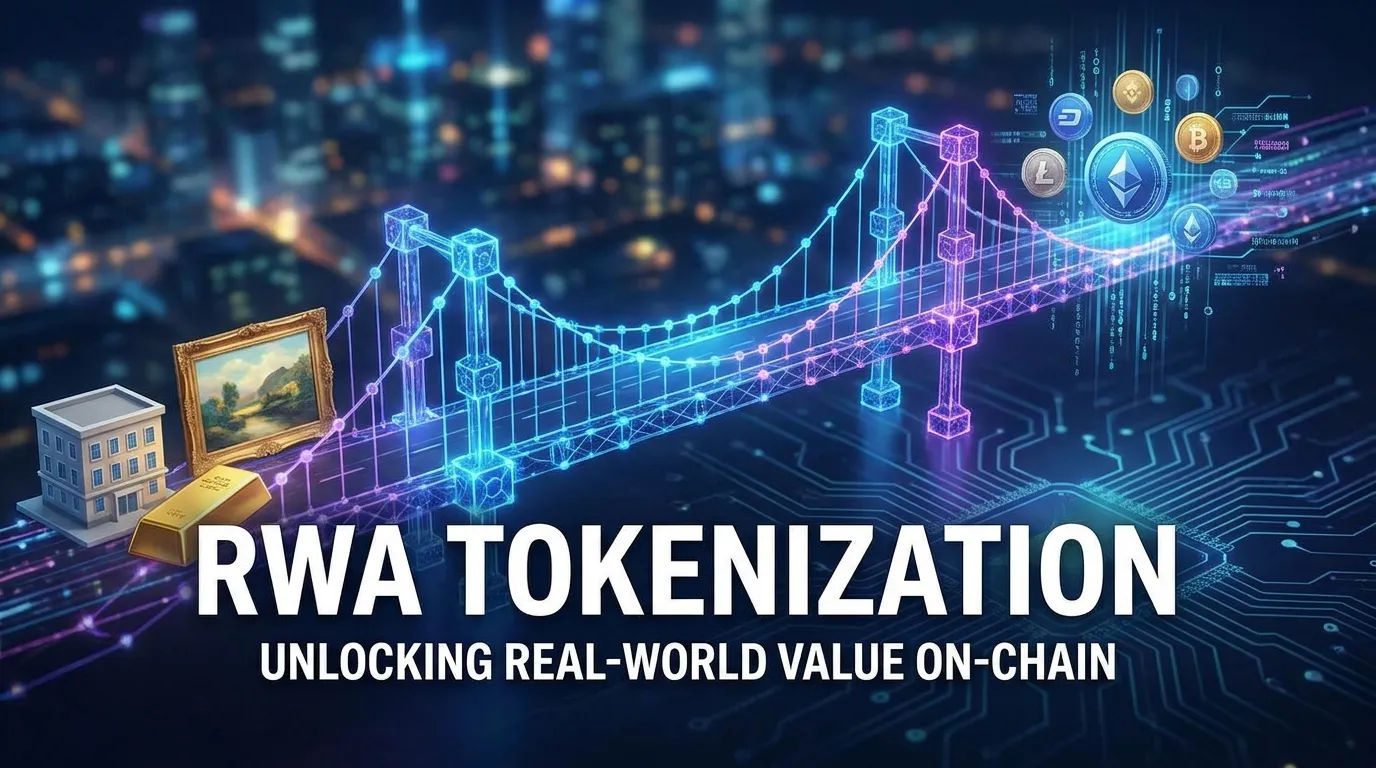
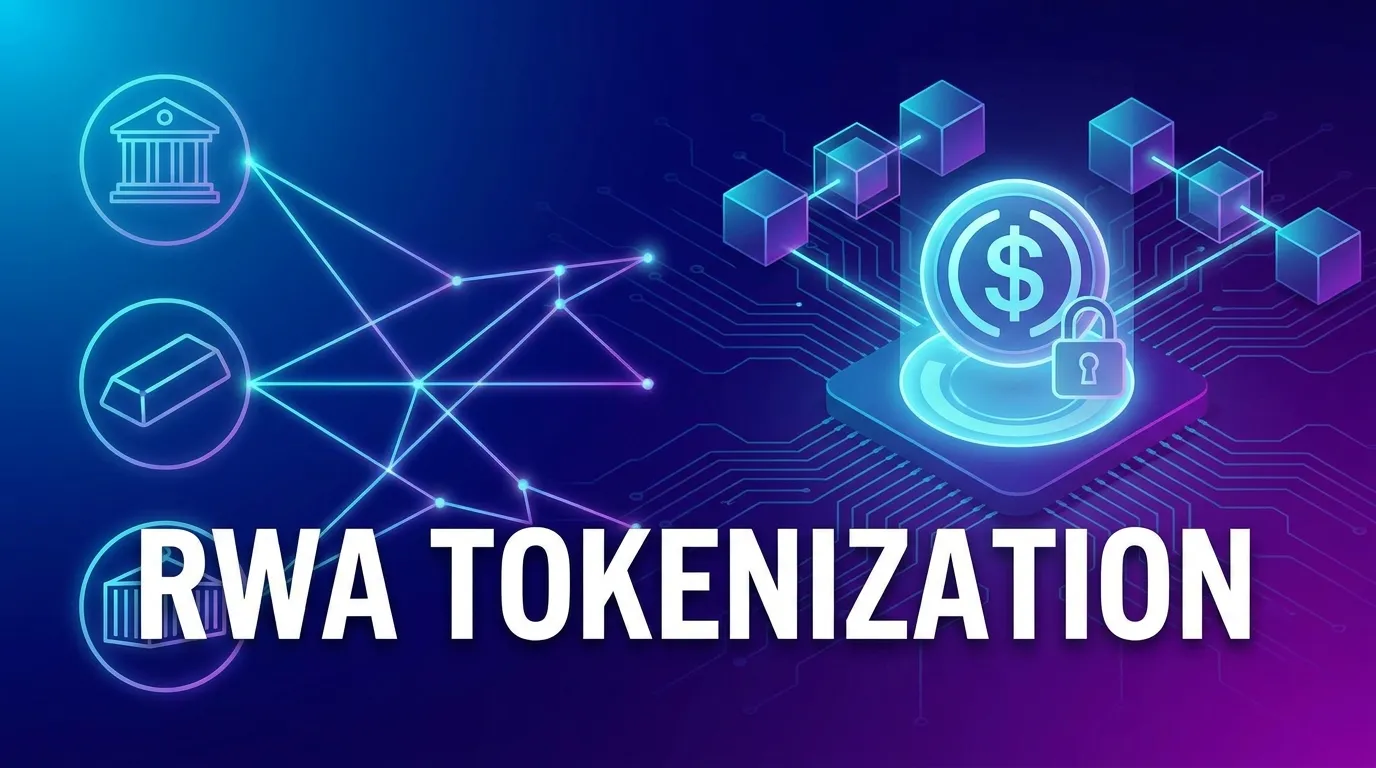
- Tokenized real-world assets
- Decentralized identity systems
- Automated regulatory compliance
As blockchain infrastructure matures, smart contracts will likely become embedded within mainstream business operations, financial systems, and digital services.
Large enterprises, governments, and startups are already exploring ways to leverage programmable agreements for greater efficiency and transparency. The next decade may see smart contracts evolve from a specialized blockchain tool into a standard component of digital commerce.
Conclusion
Smart contracts represent one of the most transformative innovations enabled by blockchain technology. By automating agreements, eliminating intermediaries, enhancing transparency, and improving security, they offer a fundamentally new approach to conducting transactions and managing digital relationships.
From decentralized finance and NFT ecosystems to supply chains, healthcare, and real estate, smart contracts are reshaping how organizations operate and interact. While challenges such as security vulnerabilities, regulatory uncertainty, and scalability concerns remain, ongoing technological advancements continue to address these limitations.
As businesses increasingly pursue automation and trustless digital infrastructure, smart contracts are positioned to become a cornerstone of the future digital economy. Organizations that understand and adopt this technology today will be better equipped to capitalize on the opportunities created by the next generation of blockchain-powered innovation.




























Sign in to leave a comment.