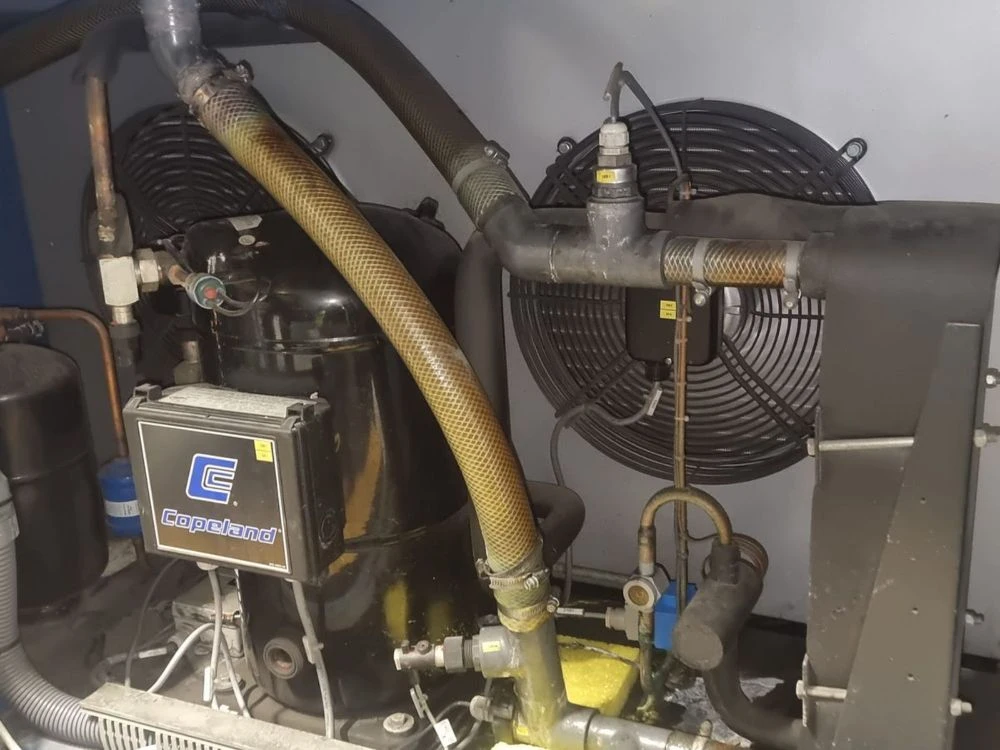

Modern commercial and industrial facilities rely heavily on effective temperature management to maintain performance, safety, and operational continuity. Whether it involves maintaining equipment temperatures, supporting production processes, or delivering reliable hot water, thermal systems play a central role in day-to-day operations. As energy costs increase and sustainability expectations rise, businesses are seeking smarter, more efficient ways to manage heating and cooling requirements.
Rather than relying on separate systems that operate independently, many facilities are moving toward integrated solutions that maximise efficiency and reduce waste. By understanding how cooling and heating systems can complement one another, organisations can achieve long-term cost savings, improved reliability, and reduced environmental impact.
Understanding Temperature Control in Commercial Environments
Commercial buildings often require much more than simple comfort heating or air conditioning. Many environments depend on precise temperature regulation to support operations, protect equipment, and ensure consistent outcomes.
This is where process cooling becomes essential. Unlike comfort cooling, which is designed for people, process-focused systems are engineered to manage heat generated by machinery, production processes, and specialised equipment. These systems help maintain stable operating conditions, prevent overheating, and support product quality.
Industries that commonly rely on process-driven temperature control include:
- Food and beverage processing
- Manufacturing and fabrication
- Cold storage and logistics
- Healthcare and laboratory facilities
- Aquatic and recreational centres
Maintaining consistent temperatures in these environments reduces downtime, improves efficiency, and protects critical assets.
The Relationship Between Cooling and Heat Generation
Cooling systems naturally remove heat from equipment or processes. Traditionally, this excess heat is released into the surrounding environment and wasted. However, modern system design recognises that this heat can be captured and reused.
Heat recovery allows facilities to redirect excess thermal energy to other applications, such as water heating. This integrated approach improves overall system efficiency and reduces reliance on additional energy sources.
By viewing heating and cooling as interconnected rather than separate functions, businesses can unlock significant operational benefits.
Efficient Hot Water Production for Commercial Use
Many commercial facilities require a consistent supply of hot water for cleaning, sanitation, production, or customer use. Conventional heating systems can be energy-intensive and costly to operate, particularly in high-demand environments.
A hot water heat pump christchurch solution offers an energy-efficient alternative by extracting heat from the surrounding air or recovered system heat and using it to warm water. These systems consume significantly less electricity compared to traditional electric or gas-based heaters.
Key advantages of modern heat pump systems include:
- Lower operating costs
- Reduced energy consumption
- Reliable and consistent hot water supply
- Long service life
- Lower carbon footprint
When integrated with cooling systems, heat pumps can further enhance overall facility efficiency.
Integrated System Design for Maximum Efficiency
The most effective commercial facilities adopt a holistic approach to thermal management. Integrated system design ensures that heating and cooling work together rather than competing for energy resources.
An integrated solution may:
- Capture waste heat from cooling operations
- Redistribute heat for water heating or space heating
- Balance energy loads across the facility
- Reduce peak energy demand
- Simplify system monitoring and maintenance
This approach not only improves efficiency but also supports long-term operational resilience.
Energy Efficiency and Operational Cost Savings
Energy efficiency is a key driver behind modern heating and cooling upgrades. Poorly optimised systems can lead to excessive energy use, higher maintenance costs, and inconsistent performance.
Efficient thermal systems help businesses:
- Lower utility expenses
- Improve equipment reliability
- Reduce unplanned downtime
- Meet energy efficiency targets
- Enhance long-term return on investment
Over time, the savings generated by efficient systems often outweigh initial installation costs.
Sustainability and Environmental Responsibility
Sustainability is no longer optional for commercial operations. Efficient heating and cooling systems play a significant role in reducing environmental impact.
Environmentally responsible system design focuses on:
- Energy reuse and recovery
- Reduced greenhouse gas emissions
- Optimised equipment sizing
- Long-term efficiency rather than short-term fixes
These measures support regulatory compliance, corporate responsibility goals, and public trust.
Planning for Scalability and Future Needs
Commercial facilities evolve over time. Production volumes increase, equipment changes, and usage patterns shift. Thermal systems must be designed with flexibility in mind.
Scalable systems allow for:
- Future expansion without major redesign
- Adaptation to new equipment or processes
- Improved longevity of infrastructure
- Better alignment with long-term business goals
Forward-thinking design prevents costly retrofits later.
The Importance of Professional Design and Installation
Even the most advanced systems will underperform if poorly designed or installed. Accurate assessment of thermal loads, usage patterns, and integration opportunities is essential.
Professional system design ensures:
- Correct equipment sizing
- Optimal energy efficiency
- Reliable long-term operation
- Compliance with safety and performance standards
Expert planning minimises risk and maximises value.
Conclusion
Efficient heating and cooling systems are foundational to modern commercial and industrial success. By integrating cooling operations with intelligent heat recovery and efficient water heating, businesses can reduce costs, improve performance, and support sustainability goals.
A strategic approach to thermal management transforms temperature control from a basic utility into a powerful operational advantage. With proper planning, professional design, and integrated technology, facilities can achieve reliable performance today while preparing for the demands of tomorrow.
Read Also: Efficient Cooling Systems for Demanding Commercial Environments
Frequently Asked Questions
What is process-based cooling used for?
It is used to regulate temperatures for equipment, production processes, and sensitive environments where stability is critical.
Can cooling systems help reduce heating costs?
Yes. Modern systems can recover excess heat from cooling operations and reuse it for heating applications.
Are heat pump systems suitable for high hot water demand?
Yes. Heat pump systems are highly efficient and well suited for facilities with continuous or large hot water requirements.
Do integrated systems cost more to install?
Initial costs may be higher, but long-term energy savings and reduced operating expenses often outweigh upfront investment.
Why is professional system design important?
Professional design ensures efficiency, reliability, and compliance while preventing costly performance issues later.






















Sign in to leave a comment.