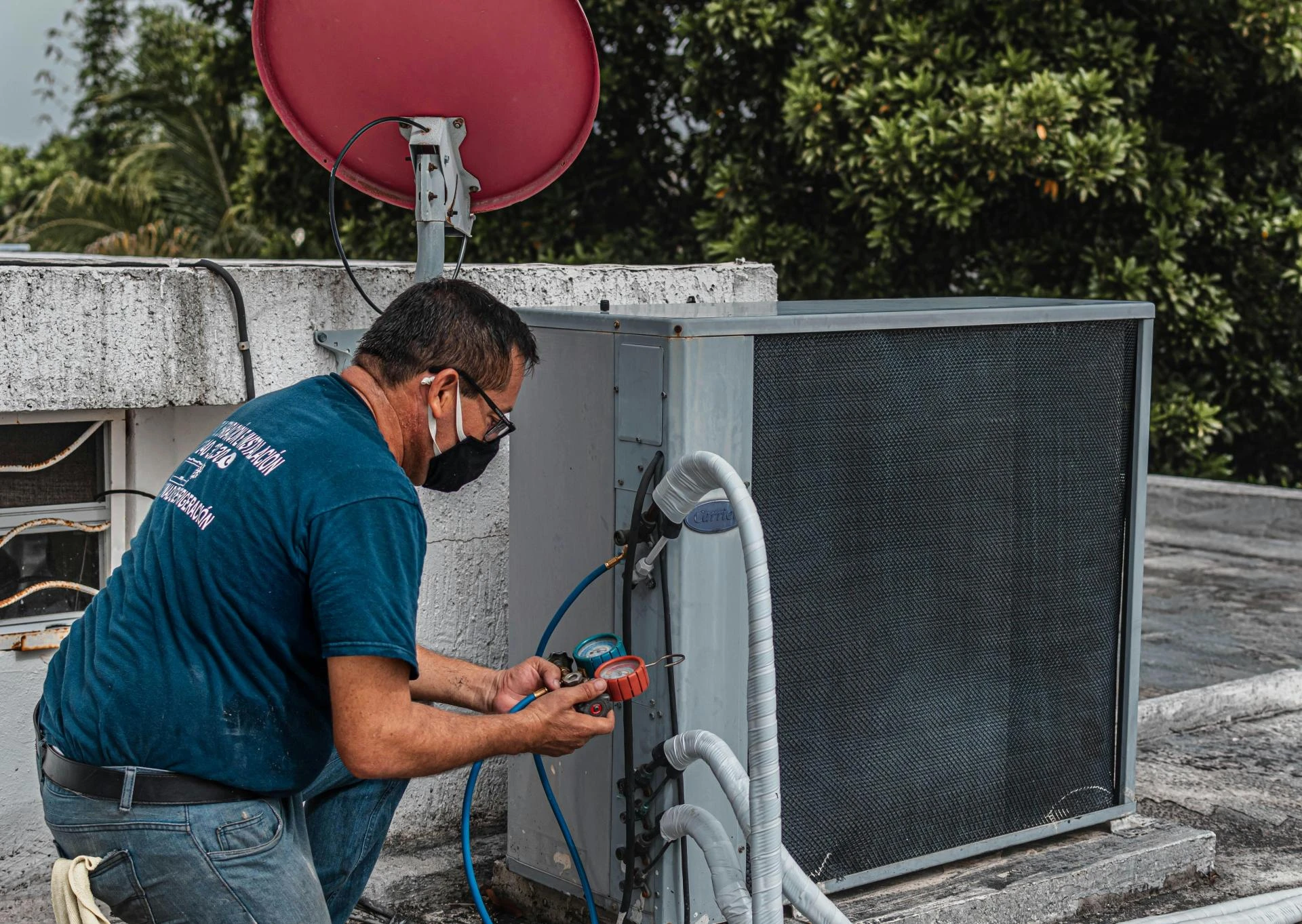
Commercial facilities rely heavily on efficient cooling systems to maintain product quality, operational efficiency, and workplace comfort. Businesses such as supermarkets, restaurants, warehouses, and manufacturing plants require reliable refrigeration and air conditioning systems to support daily operations. A well-designed commercial cooling solution combines advanced refrigeration technology with effective climate control to ensure consistent temperature management and energy efficiency.
Importance of Commercial Cooling Systems
Commercial cooling systems play a crucial role in industries that depend on temperature-controlled environments. From food storage to industrial production, maintaining the right temperature helps prevent product damage, ensures safety standards, and improves overall productivity.
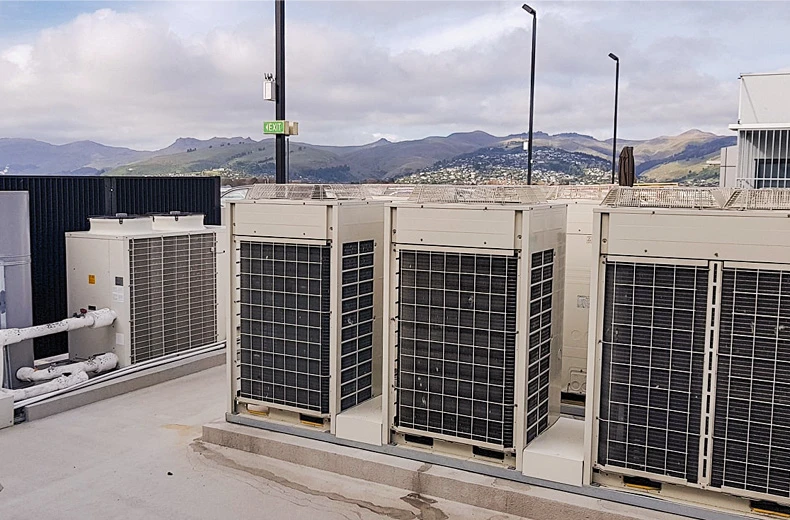
A modern cooling solution typically integrates refrigeration equipment, air conditioning units, and specialized process cooling systems. These systems work together to regulate temperature in storage areas, workspaces, and production zones.
For example, a cold room refrigeration system is widely used in food storage facilities, distribution centers, and hospitality businesses. It helps maintain a stable temperature to keep perishable goods fresh for longer periods.
Key Components of a Commercial Cooling Solution
A complete commercial cooling setup usually consists of several interconnected systems designed to perform different cooling functions.
Refrigeration Systems
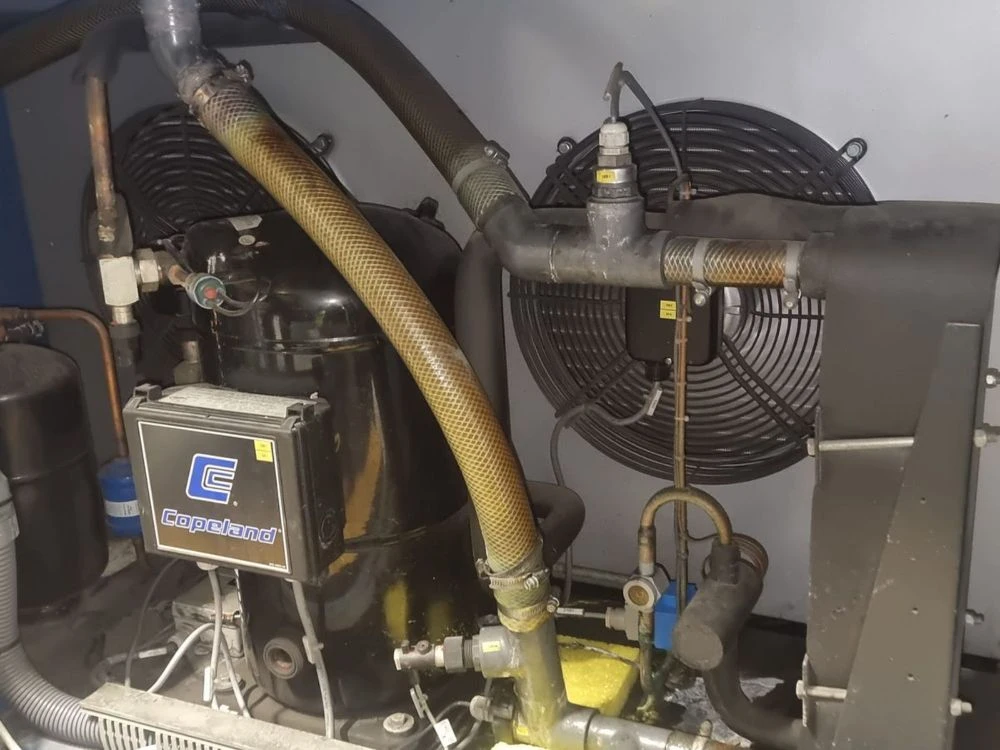
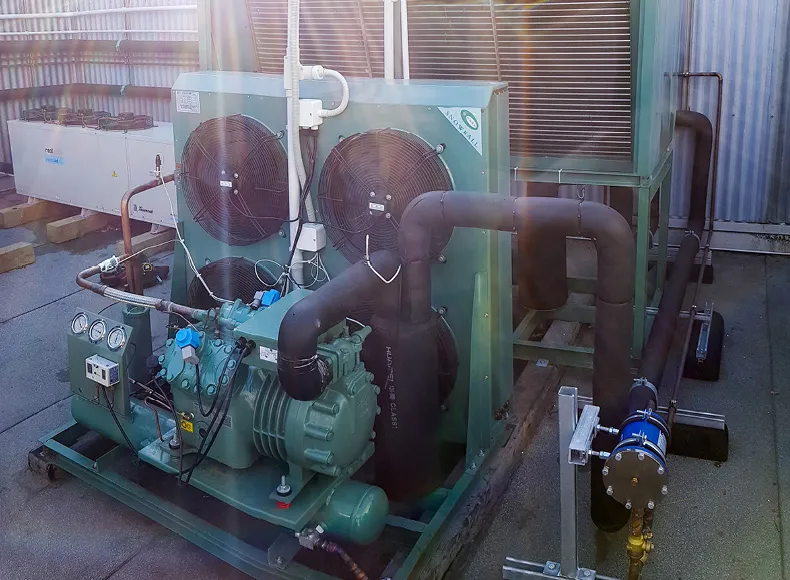
Refrigeration units are responsible for preserving products that require low temperatures. They are commonly used in supermarkets, cold storage warehouses, and restaurants.
Important features include:
- Precise temperature control
- Energy-efficient compressors
- Reliable insulation and airflow systems
- Automated monitoring and safety controls
A properly installed cold room refrigeration system ensures that stored goods remain safe and meet food safety standards.
Air Conditioning Systems
Air conditioning systems regulate indoor air temperature and humidity. In commercial environments, they help create comfortable working conditions for employees and customers while supporting equipment that may generate heat.
Modern air conditioning systems offer benefits such as:
- Improved indoor air quality
- Energy-efficient cooling technology
- Smart temperature management
- Reduced operating costs
When integrated with refrigeration equipment, air conditioning systems create a balanced environment that supports both product storage and human comfort.
Process Cooling Solutions
Many industries require specialized cooling systems for manufacturing and production processes. Process cooling helps control heat generated by machinery and equipment.
Some common applications include:
- Food and beverage processing
- Pharmaceutical manufacturing
- Industrial machinery cooling
- Data center temperature control
In these environments, a water chiller is often used to remove heat from equipment and maintain consistent operating temperatures. This system circulates chilled water through machinery or cooling units, ensuring efficient heat transfer.
Benefits of Integrated Cooling Systems
Combining refrigeration and air conditioning technologies provides multiple advantages for commercial operations.
Improved Efficiency
Integrated cooling systems optimize energy use by coordinating different cooling components. This reduces power consumption while maintaining stable temperatures across various areas of a facility.
Reliable Temperature Control
Businesses that depend on temperature-sensitive products benefit from consistent cooling performance. Properly maintained systems reduce the risk of product spoilage and costly refrigeration breakdown incidents.
Enhanced Process Stability
Industries that rely on manufacturing equipment require precise temperature regulation. In these cases, a water chiller plays an important role in process cooling by preventing overheating and maintaining smooth production operations.
Lower Maintenance Costs
Modern cooling solutions include advanced monitoring systems that detect issues early. This allows technicians to address problems before they escalate into major system failures.
Best Practices for Maintaining Commercial Cooling Systems
To ensure long-term performance and reliability, businesses should follow proper maintenance practices.
Recommended maintenance steps include:
- Scheduling regular system inspections
- Cleaning coils, filters, and condensers
- Monitoring refrigerant levels and pressure
- Checking electrical components and airflow
- Addressing minor issues before they cause system failure
Routine maintenance not only extends the lifespan of cooling equipment but also helps prevent unexpected downtime.
Conclusion
Commercial cooling solutions are essential for businesses that rely on controlled temperature environments. By combining advanced refrigeration systems, efficient air conditioning technology, and specialized process cooling equipment, companies can maintain product quality, improve operational efficiency, and reduce energy costs. Investing in well-designed cooling infrastructure and regular maintenance ensures reliable performance and supports long-term business success.

























Sign in to leave a comment.