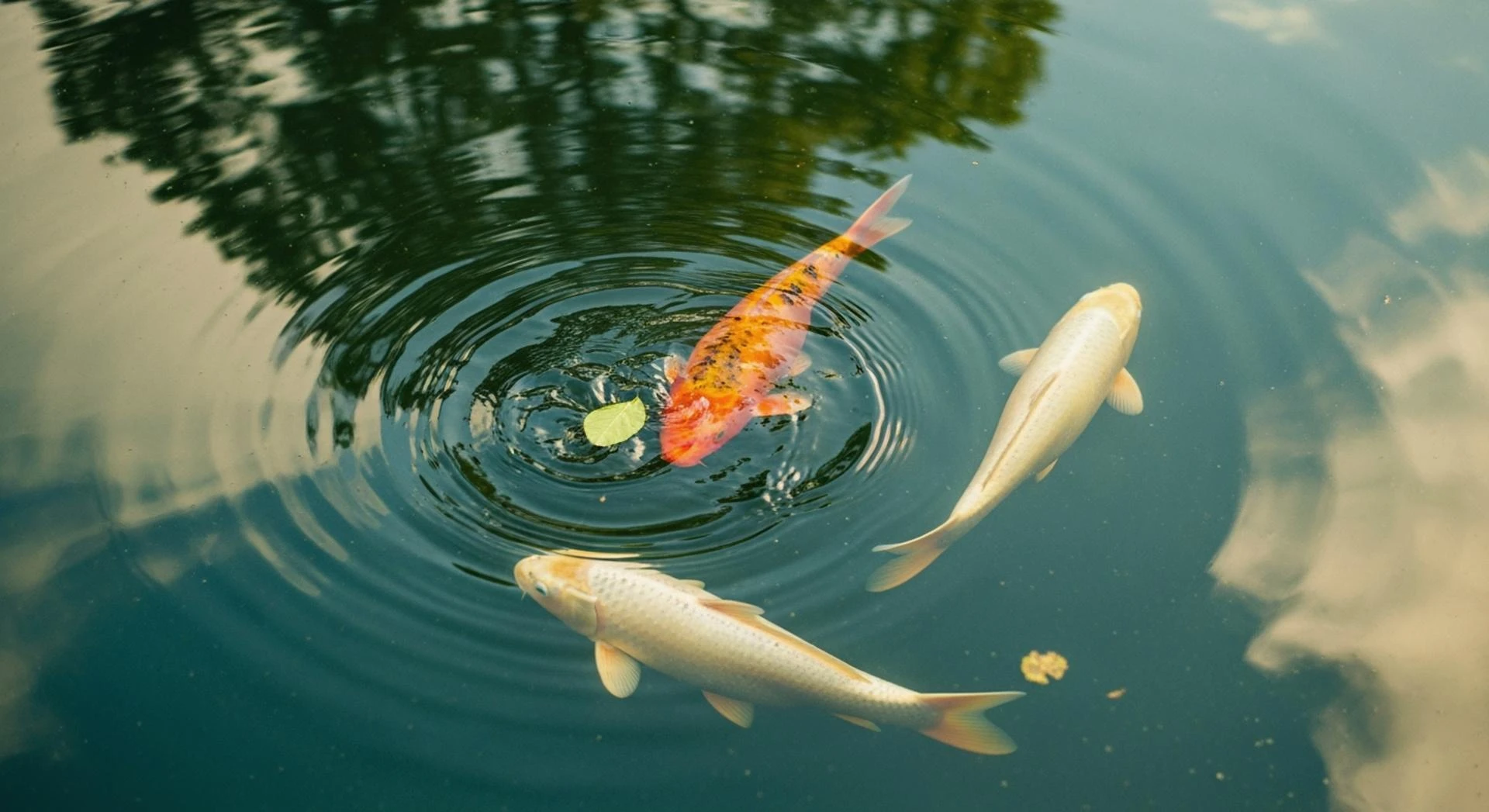

Keeping your pond crystal clear isn’t just about appearance—it’s about maintaining a stable ecosystem where koi can thrive. Modern systems like KoiQuanta highlight that successful koi pond maintenance depends on continuous monitoring, structured routines, and proactive care rather than guesswork.
Why Smart Koi Pond Maintenance Is Important
A koi pond is a dynamic environment where water conditions change quickly. Waste, uneaten food, and seasonal shifts can cause sudden imbalances.
For example, water parameters can shift from normal to dangerous within 48 hours during seasonal transitions if not monitored properly
This is why effective koi pond maintenance focuses on:
- Tracking changes over time
- Responding early to risks
- Maintaining consistent routines
Core Strategies for Crystal Clear Water
1. Monitor Water Parameters Consistently
Regular testing is the foundation of healthy pond management.
KoiQuanta recommends:
- Testing 2–3 times per week in stable conditions
- Daily testing during seasonal changes or treatments
Key parameters include:
- Ammonia
- Nitrite
- pH
- Temperature
Tracking trends—not just single readings—helps detect hidden issues early.
2. Control Organic Load (Feeding & Waste)
One of the biggest causes of poor water quality is overfeeding.
- Overfeeding contributes to 30–40% of water quality problems
- Uneaten food increases ammonia levels
- Excess waste leads to cloudy water and algae growth
Smart koi pond maintenance includes:
- Observing feeding behavior
- Adjusting portion sizes
- Reducing waste input
3. Use Structured Maintenance Scheduling
Consistency is key for long-term pond health.
KoiQuanta tools help with:
- Water change scheduling
- Filtration maintenance planning
- Parameter tracking and alerts
Instead of random maintenance, a planned system ensures stability and prevents sudden issues.
4. Maintain Filtration Efficiency
A properly functioning filtration system keeps water clean and balanced.
- Biological filtration converts toxic ammonia into safer compounds
- Mechanical filtration removes debris
Regular maintenance ensures filters work efficiently without disrupting beneficial bacteria.
5. Track Trends and Use Data Insights
Traditional pond care often relies on occasional testing, but this approach can miss gradual changes.
KoiQuanta emphasizes:
- Logging water data
- Analyzing trends over time
- Identifying slow parameter drift
This proactive approach is a key part of advanced koi pond maintenance.
Preventing Hidden Water Quality Risks
Many pond problems develop slowly and are not immediately visible.
Common hidden risks:
- Gradual ammonia buildup
- Slow pH decline
- Increased organic load
Without proper tracking, these issues can go unnoticed until fish show stress.
Smart monitoring systems help detect these risks early and prevent damage.
Seasonal Maintenance Considerations
Water conditions change throughout the year, requiring adjustments in care.
- Spring: Frequent testing due to rapid biological changes
- Summer: Monitor oxygen and feeding levels
- Autumn: Reduce waste input and stabilize water
- Winter: Lower testing frequency as biological activity slows
Seasonal awareness is essential for maintaining clear and stable water.
Conclusion
Achieving crystal clear water requires more than occasional cleaning—it requires smart, consistent, and data-driven koi pond maintenance. By monitoring water parameters, controlling feeding, and following structured schedules, you can prevent hidden risks and maintain a balanced pond ecosystem.
With advanced tools and insights from KoiQuanta, pond owners can simplify maintenance, detect issues early, and ensure long-term koi health.
Contact us at KoiQuanta to take your koi pond maintenance to the next level with smart monitoring and expert tools.
FAQs
1. How often should I test my koi pond water?
You should test water 2–3 times per week in stable conditions and daily during seasonal changes or treatments.
2. What is the main cause of cloudy pond water?
Overfeeding is a major cause, contributing to up to 30–40% of water quality problems due to excess waste.
3. Why is tracking water trends important?
Because gradual changes in parameters can go unnoticed. Trend tracking helps detect problems early and maintain a stable environment.










Sign in to leave a comment.