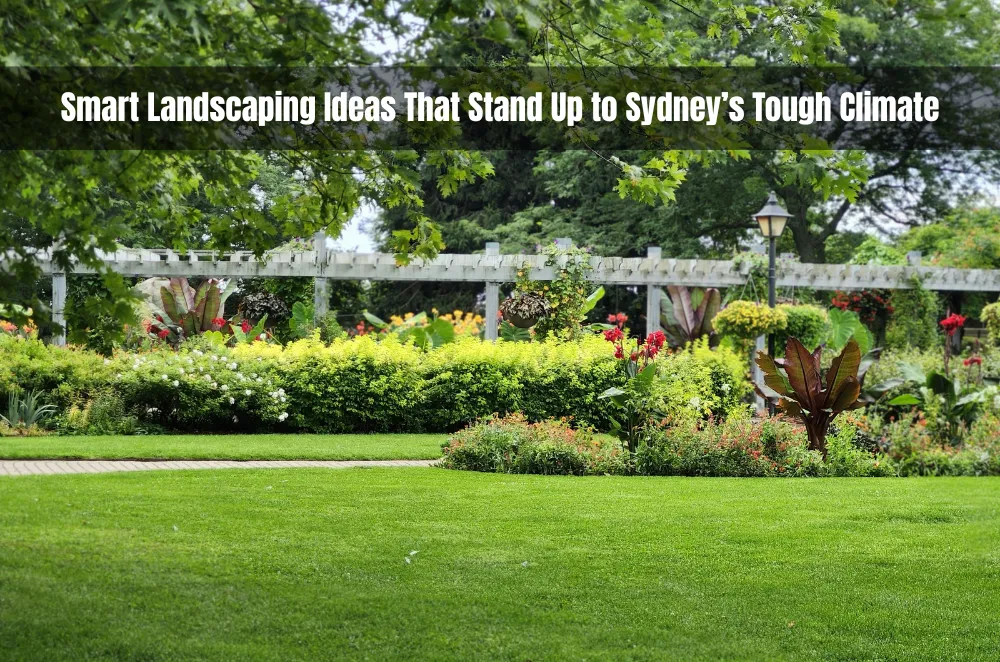

Summer scorchers, winter deluges and year-round water restrictions make Sydney’s backyards some of the hardest-working spaces in the country. A lawn that looks perfect in April can be patchy by November, while exotic shrubs that flourish in milder cities often struggle once the mercury climbs. Rather than battling nature, homeowners are turning to climate-smart landscaping that treats local conditions as a design starting point, not an afterthought.
Why Local Knowledge Pays Off Early
Seasoned gardeners know Sydney’s soils swing from sandy near the beaches to clay in the outer west. Add salt-laden breezes, council tree preservation orders and micro-storms that dump a month’s rain overnight, and the learning curve steepens quickly. Paying for repeat plant replacements or constant irrigation tweaks soon eclipses the upfront cost of working with a reliable Sydney landscaping company. Professionals who design every week in these conditions spot drainage problems before they turn into muddy patches and specify hardy plant palettes that won’t collapse during the next heatwave.
Homeowners who prefer a DIY route can still borrow a few tricks from the pros. Soil testing kits sold at most nurseries reveal pH quirks that dictate which natives or ornamentals will thrive. Mapping summer shade lines also prevents the classic error of planting moisture-hungry ferns in blazing afternoon sun.
Plants and Materials Built for Heat, Salt and Sudden Downpours
Coastal suburbs cop salt spray that strips leaves and rusts cheap metal fixtures. Inland districts deal with expansive clay that cracks, then waterlogs. Materials and species chosen for one micro-climate may fail in another just a few kilometres away.
Natives such as Lomandra ‘Tanika’, Westringia ‘Grey Box’ and Grevillea ‘Mini Marvel’ shrug off searing sun while still delivering year-round texture. For groundcovers, Myoporum parvifolium forms a dense mat that suppresses weeds and handles light foot traffic. Where a lusher canopy is desired, Tristaniopsis laurina (Water Gum) provides dappled shade without the invasive roots of ornamental figs.
Hard surfaces matter just as much. Porous clay pavers allow water to soak through, easing pressure on stormwater lines during flash flooding. Composite decking resists salt corrosion better than softwood, while galvanised fixings outlast standard steel when sea breezes carry fine spray inland.
Mid-sized gardens often combine these elements with raised vegetable beds made from recycled hardwood sleepers. The timber’s natural oils fend off termites without chemical treatment, and the extra height protects tender herbs from sudden puddling.
Designing for Water Efficiency and Council Rules
Sydney Water’s level-one restrictions are now a semi-permanent feature rather than an emergency measure. Smart design channels every drop into the soil before it reaches the gutter.
- Swales reshaped along contour lines slow runoff and let water soak gently into root zones.
- Sub-surface drip systems target the base of each plant, cutting evaporation compared with overhead sprayers.
- Mulch applied at 75 mm depth locks moisture in and keeps soil temperatures steadier. Crushed sandstone is a popular alternative to organic mulch in bush-style gardens where termites are a concern.
Councils also set limits on impermeable coverage and tree removal. Attempting to skirt those rules can halt a renovation mid-way. An earlier article on this site, native garden ideas for small yards, explains how choosing indigenous species often speeds up approval because they’re less likely to clash with local biodiversity plans.
Rainwater tanks plumbed to toilet cisterns and laundry taps are another tick for compliance. Many municipalities offer rebates when new builds include a tank sized to the roof catchment area, reducing demand on mains supply during dry spells.
When Professional Input Saves Money in the Long Run
Many homeowners start with weekend projects—new turf here, a few ornamentals there—only to realise two summers later that the patchwork approach costs more than a cohesive plan. Rectifying grade errors after patios are poured or shifting retaining walls that breach height limits quickly escalates both labour and approval fees.

























Sign in to leave a comment.