Embracing Innovation in Agriculture
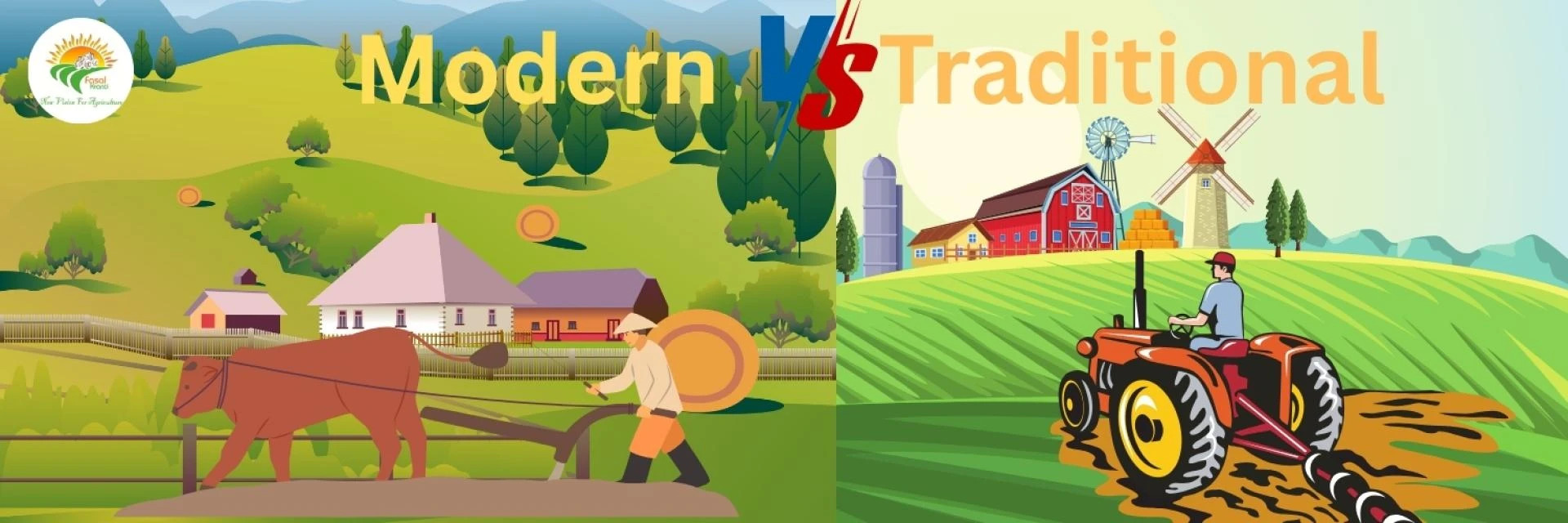
The agricultural industry has undergone a massive transformation in recent years, thanks to the adoption of smart solutions and advanced tools. From precision agriculture to drone surveillance and data analytics, modern farming is no longer dependent solely on traditional methods. Instead, it's becoming more efficient, sustainable, and productive—meeting the growing global demand for food and textiles.
Precision Agriculture: A Game-Changer
One of the most impactful innovations in modern farming is precision agriculture. This technique utilizes GPS technology, sensors, and data analytics to monitor field conditions and optimize planting, fertilization, and irrigation. Farmers can now apply the exact amount of water or nutrients needed by each section of their land, reducing waste and boosting yields.
For example, soil sensors measure moisture levels and nutrient content, guiding irrigation systems to act only when necessary. Drones provide aerial views of crop health, identifying problem areas before they spread. These smart tools help conserve resources while maximizing output.
IoT and Smart Machinery
Internet of Things (IoT) devices are another pillar of smart farming. Sensors installed on tractors, combines, and irrigation systems collect real-time data, allowing for automated adjustments. For instance, smart tractors can auto-steer based on pre-set GPS coordinates, ensuring consistent plowing and seeding.
Meanwhile, connected irrigation systems adjust water flow depending on weather forecasts and soil conditions, significantly reducing water usage—a critical benefit in drought-prone regions.
Data-Driven Decision Making
Data collection and analysis play a central role in modern agriculture. Farmers can access dashboards that compile real-time information about weather, crop conditions, soil health, and equipment status. This data helps them make informed decisions quickly, reducing losses and improving productivity.
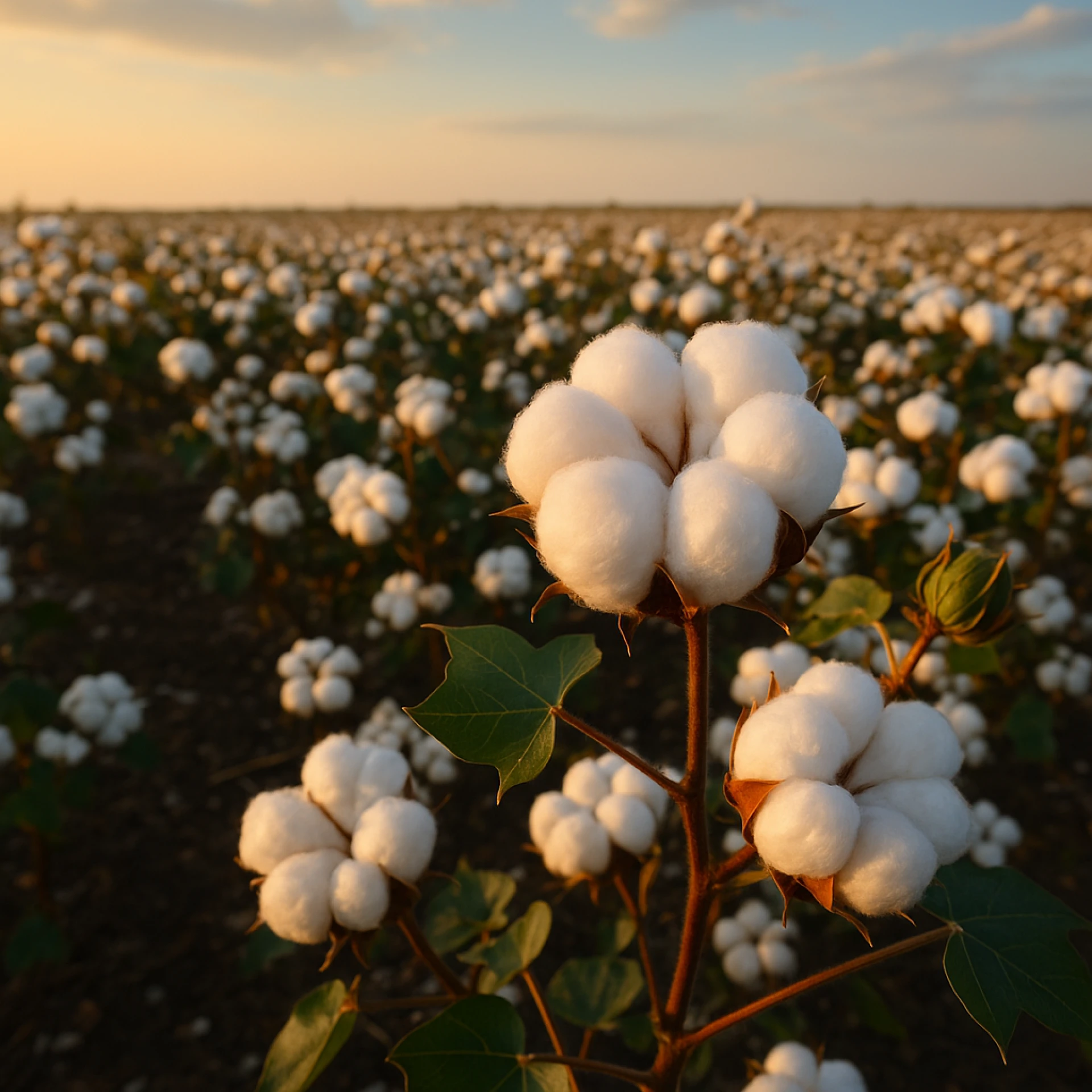
In cotton farming, for instance, smart analytics can determine the best time to plant, fertilize, and harvest based on historical trends and current field data. Such insights minimize risk and ensure higher-quality yields, contributing to a more reliable supply chain.
Sustainability and Environmental Benefits
Smart farming tools also contribute to environmental sustainability. Efficient use of water, fertilizers, and pesticides means fewer chemicals enter the soil and groundwater. GPS-guided machinery reduces fuel use and soil compaction by minimizing overlap during field operations.
This approach is especially valuable in cotton farming, where overuse of water and pesticides has traditionally been a concern. By adopting modern technologies, cotton farmers can grow healthier crops while protecting ecosystems and reducing their carbon footprint.
Challenges and the Road Ahead
Despite the many benefits, there are challenges to widespread adoption. High costs of smart equipment and lack of digital literacy in rural areas can be barriers. However, as technology becomes more affordable and training more accessible, these obstacles are being gradually overcome.
Government incentives, tech partnerships, and farmer education programs are accelerating this shift toward smarter farming. The future promises even more exciting developments, including AI-powered forecasting, blockchain-based crop tracking, and autonomous farming equipment.
Conclusion
Smart tools and solutions are at the heart of the agricultural revolution. By embracing technologies like precision farming, IoT, and data analytics, modern farming is becoming more sustainable, efficient, and profitable. Whether in large-scale operations or cotton farming, these innovations are paving the way for a brighter agricultural future.




























Sign in to leave a comment.