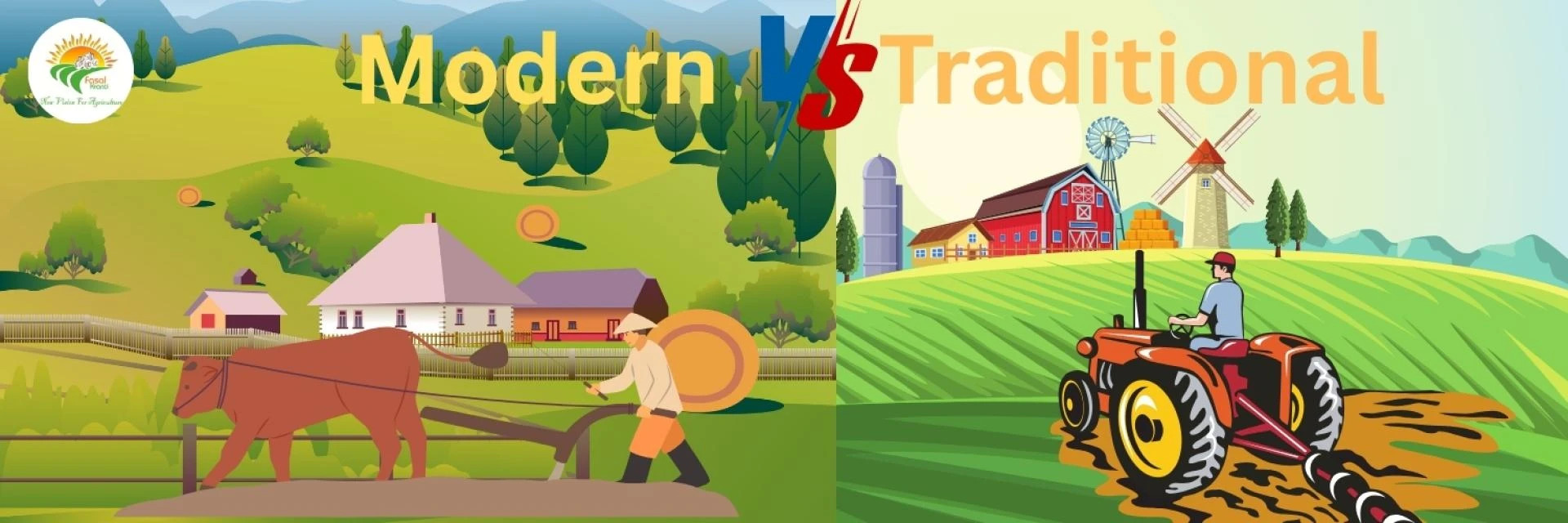

The world is changing fast and so is farming. Traditional methods that worked for centuries are now being replaced or enhanced by new, powerful techniques. In 2025, every successful farmer is exploring at least one modern farming method to keep up with the demand for food, face the challenges of climate change, and stay competitive.
But here’s the good news: these methods are not just for big corporate farms. Small and medium-sized farmers around the world are using them to save money, improve crop yields, and make smarter decisions. Whether it's a solar-powered tractor or growing vegetables on rooftops, the future of farming is here and it's amazing.
Let’s explore the most promising modern farming methods in 2025 and how they benefit today’s farmers.
1. Precision Farming: Grow Smarter, Not Harder
Precision farming uses tools like GPS, satellites, and AI to make farming decisions based on real-time data.
How It Helps Farmers:
1. Targets exactly where water, seeds, or fertilizer is needed saving money
- Improves yields by reducing overuse and underuse of inputs
- Lowers labor costs by automating routine tasks
Example: A farmer using soil sensors knows when and where to water, cutting irrigation costs by 30%.
2. Vertical Farming: Farming in Small Spaces
This method involves growing crops in vertically stacked layers, often indoors or in urban areas.
Benefits
1. Allows food production in cities closer to consumers
- No pesticides needed thanks to a controlled environment
- 90% less water use compared to traditional soil farming
Best For: Leafy greens, herbs, strawberries crops that grow fast and have high demand.
3. Hydroponics and Aquaponics: No Soil, No Problem
Hydroponics grows plants in water enriched with nutrients. Aquaponics combines this with fish farming, creating a cycle where fish waste feeds plants and plants clean the water.
Farmer Benefits
1. Can be set up in small areas even indoors
- Fewer pest problems and no weeding
- Perfect for places with poor soil or limited water
These systems let farmers grow high-value crops like lettuce, basil, and tomatoes with minimal land.
4. Drones: Eyes in the Sky for Crops
Drones are no longer just for photography they're now essential farm tools.
How Farmers Use Drones:
1. Monitor crop health with infrared cameras
- Spray fertilizers or pesticides with precision
- Map fields and track plant growth
Benefit: A 10-minute drone flight can inspect acres of farmland, saving hours of manual labor.
5. AI & Machine Learning: The Digital Brain of the Farm
Artificial Intelligence helps analyze data from farms and make smart suggestions or decisions automatically.
Farmer Advantages:
1. Predicts the best time to plant or harvest
- Identifies pest problems before they spread
- Reduces human error and boosts efficiency
AI is turning farms into smart ecosystems that can adapt and respond to changes instantly.
6. Smart Sensors & IoT Devices
These tools gather real-time information on soil, weather, and crop conditions.
What Farmers Gain:
1. Alerts when soil moisture drops or weather changes
- Automated irrigation that turns on only when needed
- 24/7 monitoring from a smart phone
This modern farming method ensures no drop of water or bag of fertilizer is wasted.
7. Automation and Robotics
From self-driving tractors to robotic harvesters, machines are replacing manual labor.
Big Benefits:
1. Speeds up planting, weeding, and harvesting
- Reduces need for large labor forces
- Works day and night without breaks
Especially helpful during labor shortages or in large-scale farms needing quick action.
8. Gene Editing & CRISPR Technology
By editing genes in crops, scientists can create varieties that resist pests, need less water, or grow faster.
Why It Matters for Farmers:
1. Fewer losses due to pests or disease
- Lower need for chemicals
- Higher yields and better food quality
This makes farming more sustainable and less risky.
9. Organic & Biological Pest Control
Instead of chemical sprays, many farmers now use natural methods like companion planting, beneficial insects, and biopesticides.
Farmer-Friendly Outcomes:
1. Healthier soil and cleaner water
- Safer food that sells at a premium
- Less damage to beneficial wildlife
10. Blockchain Technology in Farming
Blockchain stores data that can’t be changed, helping track food from farm to fork.
Farmer Perks:
- Builds trust with buyers and consumers
- Proves your food is organic or locally sourced
- Reduces fraud and improves supply chain transparency
11. Regenerative Agriculture
This modern farming method focuses on healing the land rather than just using it.
Practices Include:
1. Cover cropping
- No-till farming
- Composting
Result: Richer soil, better yields, and carbon stored in the ground not in the air.
12. Solar Energy for Farming Tools
Farms now use solar panels to power pumps, electric fences, and even tractors.
Why It’s Smart:
1. Cuts energy bills
- Reduces pollution
- Works well in rural areas without stable electricity
13. Climate-Smart Farming
With weather becoming unpredictable, farmers need ways to adapt.
Modern Tactics:
1. Drought-resistant seeds
- Drip irrigation systems
- Crop rotation for soil health
14. Lab-Grown Meat & Cellular Farming
Instead of raising animals, meat is now grown in labs using animal cells.
Farmer Benefits:
1. Less land and water use
- Fewer greenhouse gases
- Opportunities in biotechnology and alternative protein markets
15. Big Data & Farm Management Software
Farmers use apps and platforms to track everything from seed to sale.
What It Delivers:
- Forecast profits
- Plan crop rotation
- Keep digital records for loans or certifications
16. Government Support & Global Aid
Governments are offering incentives for adopting sustainable methods.
Includes:
- Grants for precision tools
- Training in modern methods
- Tax breaks for green farming
17. Digital Marketplaces for Selling Crops
Online platforms connect farmers directly with buyers, removing middlemen.
Benefits:
- Better prices
- Faster payments
- Wider market access
Final Thought
The modern farming method isn’t a luxury it’s a necessity in 2025. Farmers who embrace these changes are seeing real results: higher profits, healthier soil, stronger crops, and peace of mind. Whether it’s a sensor in the field or a drone in the sky, every tool is helping to build a smarter, greener, and more secure future for agriculture. And the best part These innovations are designed for all kinds of farmers from large commercial operators to small family farms.
Now is the time to evolve, adapt, and grow.


























Sign in to leave a comment.