
Europe is going through a major shift in how companies find and hire talent. Businesses across the region are growing fast, adopting new technologies, and expanding into new markets. With these changes, staffing solutions have become an essential part of how organizations build strong teams and stay competitive.
Today, hiring is not only about filling open positions. It is about finding people who can adapt quickly, work across borders, and support business goals in a dynamic environment. This has pushed many European companies to look for flexible staffing models that offer both speed and stability.
Why flexible staffing is growing
Many industries in Europe now operate with changing demand. Sectors such as technology, manufacturing, logistics, life sciences, and renewable energy often need skilled workers on short notice. Flexible staffing helps employers bring in talent when they need it, without long delays or complex hiring cycles.
At the same time, many professionals prefer temporary or contract roles because they offer variety, freedom, and the chance to explore different projects. This balance has helped flexible staffing become a popular choice among both employers and workers.
Cross border hiring has become the new normal
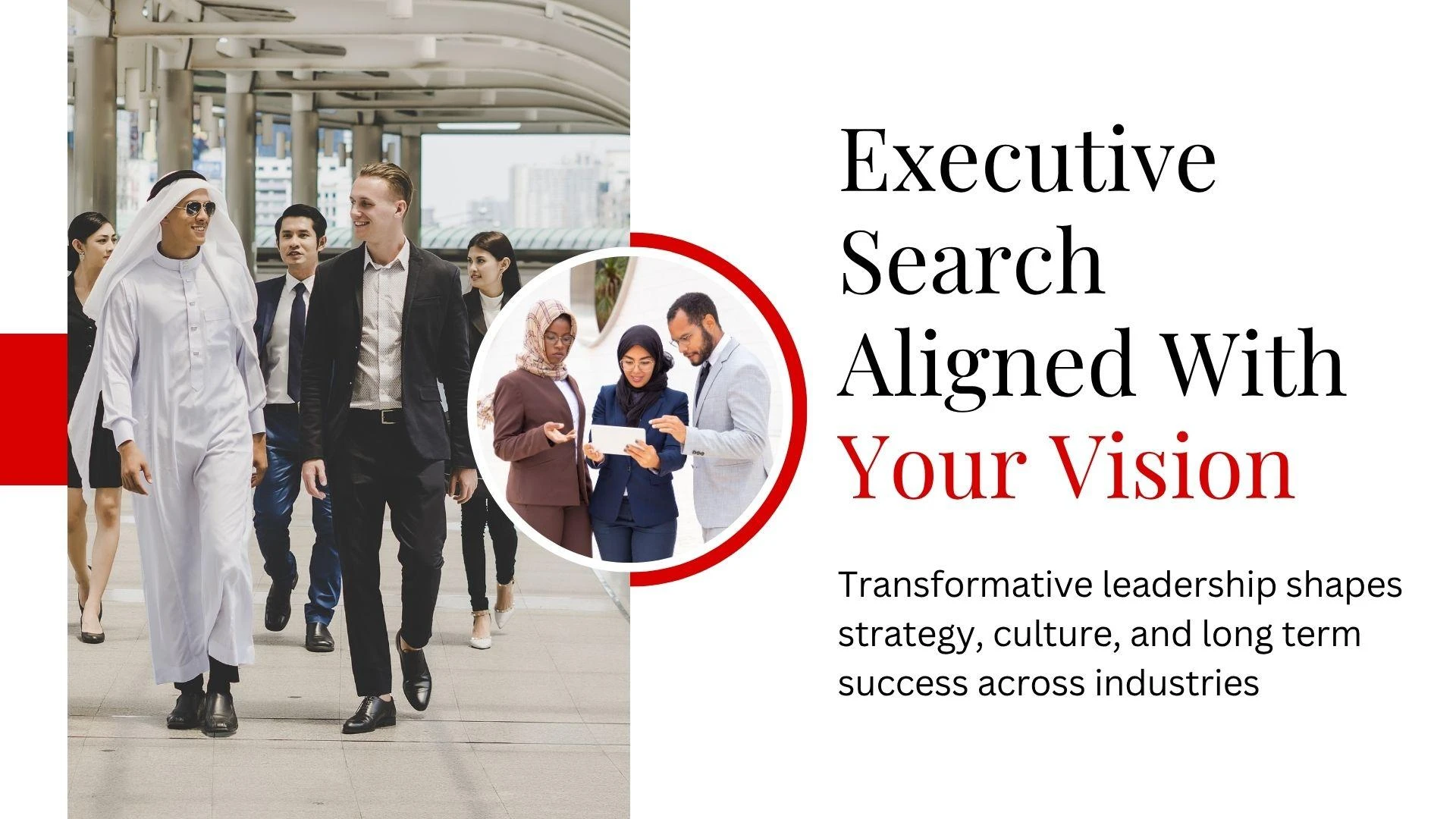
Remote work and labor mobility across Europe have made it easier for companies to hire talent from different countries. A team in Belgium can work with engineers from Portugal. A business in France can hire specialists from Romania. This approach helps employers overcome local talent shortages and tap into a wider pool of skilled professionals.
However, cross border hiring also brings challenges. Every country in Europe has its own labor rules, onboarding process, and contract requirements. Many organizations now prefer staffing partners who understand local compliance and help make hiring smooth and risk free.
Shift toward skills based hiring
More companies in Europe are focusing on skills instead of job titles. Digital abilities, project management, green energy knowledge, and multilingual communication are in high demand. Employers want candidates who can start contributing right away and help drive new ideas within the organization.
Skills based hiring also supports diversity by giving opportunities to career changers, global talent, and people with nontraditional backgrounds who bring new perspectives.
Technology is reshaping staffing
Modern tools like AI driven screening, virtual interviews, and online assessments have made hiring faster and more efficient. Companies can now find the right talent in less time, and digital onboarding helps new employees settle in smoothly, even when they work remotely.
Even with advanced technology, human judgment still matters. Employers value expert guidance on hiring trends, talent availability, and workforce planning. Technology supports the process, but people make the biggest difference in choosing the right fit.
What businesses should focus on
Organizations looking for staffing solutions in Europe should keep a few priorities in mind
- Access to diverse talent across multiple countries
- Hiring models that follow local labor rules
- Faster and more flexible recruitment cycles
- Candidates with adaptable skills
- Workforce plans that support long term growth
Flexible staffing, cross border hiring, and skills based recruitment continue to shape the future of work across Europe. Companies that invest in smart staffing strategies today will be better prepared to grow and compete in a fast changing market.





















Sign in to leave a comment.