

Most home upgrade conversations start the same way: someone wants a cleaner, more modern look without turning their house into a construction zone for six weeks. In my own work with homeowners, I often see kitchens and flooring come up together because they’re the two surfaces people touch and look at every single day. Countertops define the character of a kitchen, while flooring sets the tone for the entire main floor.
Lately, I’ve been hearing two recurring interests: Kitchen Counter Tops Ideas that feel fresh but not fragile, and curiosity about Magnet Flooring Allen, especially from people in North Texas looking for something quicker and easier than traditional glued-down floors. Both trends reflect the same desire—upgrades that look premium but don’t invite long-term headaches.
So let’s break down what’s actually practical, what’s worth the money, and what tends to hold up in real daily use.
Kitchen Counter Tops Ideas That Make Sense in Real Homes
Most countertop advice online reads like a catalog. You get the same polished descriptions over and over. But in actual homes, five materials show up again and again because they’re predictable, durable, and relatively manageable to maintain.
1. Quartz (the set it and forget it option)
Quartz consistently tops the list because it requires almost no maintenance. It doesn’t stain easily, doesn’t need yearly sealing, and handles heat better than people assume—though I still suggest a trivet for anything fresh out of the oven.
The main reason homeowners love it: predictable patterns. If you’ve ever walked a granite yard and stared at giant slabs trying to imagine them sliced into a countertop, you know why the uniformity of quartz is appealing.
Common-sense example: I’ve seen several families with young kids choose quartz simply because cleaning spaghetti sauce off a white surface without worrying about a permanent pink tint is a relief.
Granite (still a workhorse if you choose wisely)
Granite gets dismissed as dated, but not all granite is the speckled brown from early-2000s builds. Newer options include dramatic charcoal veining, soft whites, and leathered finishes that hide fingerprints almost too well.
The upside: durability. You can put a hot pan down and not panic. The only caveat is sealing—once a year, five minutes, done. If someone tells you granite is difficult, they probably had a cheap variety that was too porous.
Butcher Block (warm, affordable, and honest about wear)
Butcher block appeals to people who want texture—something that feels lived-in rather than museum-smooth. It’s affordable compared to stone, and it pairs well with kitchens that mix natural and industrial elements.
The trade-off: maintenance. A well-oiled butcher block ages gracefully, but a neglected one dries out, stains, and looks rough. If you’re willing to give it a quick oil rub every month or two, it’s a great option.
Concrete (custom but not for everyone)
Concrete countertops photograph beautifully, but they have quirks. They can hairline crack, they can stain if not properly sealed, and installation requires someone who knows what they’re doing—not a random handyman with a bag of mix.
The reason some homeowners still choose concrete: the custom shapes. Integrated sinks and long, seamless spans look stunning in a modern kitchen. Just be realistic about the upkeep.
Porcelain Slabs (the quiet newcomer)
Porcelain has been common in Europe for years but is finally getting attention in the U.S. Its advantages are simple: extremely heat-resistant, scratch-resistant, and thin enough for sleek, modern designs.
Real-world note: installation requires a fabricator comfortable with large-format slabs. Not every shop works with it yet, so check availability where you live.
Matching Countertops With Real-Life Kitchen Layouts
Good countertop choices aren’t only about the material. They’re about the layout.
Here’s what I usually advise:
- Small kitchens: lighter quartz or soft-pattern granite to keep the room open.
- Open-concept spaces: materials with gentle movement so they don’t visually fight the flooring or the sofa across the room.
- Heavy-cooking households: pick something with strong stain and heat resistance—usually quartz or granite.
- Rental properties: durability over aesthetics; mid-range granite often wins here.
And always check slab availability early. Picking a countertop from Pinterest and discovering no fabricator within 200 miles carries it is a surprisingly common frustration.
Where Magnet Flooring Allen Fits Into Modern Renovations
Switching from kitchens to flooring, let’s talk about Magnet Flooring Allen—the system that’s been popping up in local conversations around Allen, Texas. The idea is straightforward: instead of glue or nails, the flooring uses magnetic underlayment and magnet-responsive planks that snap into place.
If you’ve ever had to pull up old glued vinyl or stubborn laminate, you understand why the magnetic approach is getting attention.
What Magnet Flooring Actually Solves
Here’s what homeowners typically appreciate:
1. Fast installation
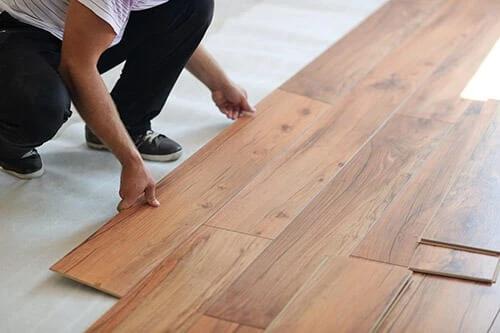
You can lay a room in a fraction of the time of traditional floating floors. No glue, no long acclimation periods, no special smell-venting requirements.
2. Easy repairs
Drop a heavy cast-iron pan and dent a plank? Pop out one board and replace it—not the whole row.
3. Great for tech-heavy homes
The magnetic underlayer doubles as a smooth, slightly cushioned surface that keeps boards more stable, which helps with noise and vibration—nice for upstairs game rooms or offices.
4. Ideal for temporary or evolving spaces
Some homeowners in Allen use magnetic systems in playrooms or media rooms because they expect to update the space every few years. You can lift the flooring without demolition dust.
Where You Still Need Caution
Magnet flooring isn’t magic. There are practical constraints:
- You need a level subfloor. The magnetic system won’t fix dips or high spots.
- Heavy water exposure (like a kitchen flood or an unaddressed leak) still causes issues. The planks are removable, but standing water is never your friend.
- You need compatible planks; not every brand works with magnetic underlayment.
In Allen, Texas specifically, humidity swings can be dramatic during the year. A well-installed magnetic flooring system handles expansion better than some older laminate designs, but you still need proper spacing on the perimeter.
How Countertops and Flooring Work Together in a Remodel
When homeowners update countertops and flooring at the same time, the challenge is avoiding visual overload. There’s a simple rule of thumb that’s served me well:
If the countertop has movement, keep the flooring calm. If the flooring has texture or pattern, choose a quieter countertop.
For example:
- A white quartz with a soft gray vein pairs well with oak-look magnet flooring.
- A bold granite with dramatic rivers of color does better with a floor that stays in a single tone—no excessive knots or multi-width planks.
- Dark concrete countertops look striking with light, neutral flooring; otherwise the room becomes too heavy.
Think of it like assembling a good outfit: not every piece has to shout.
Practical Workflow If You’re Planning Both Upgrades
Many homeowners attempt both upgrades but underestimate the timing. Here’s the order I recommend:
- Choose flooring first – because it defines the broader color palette.
- Pick countertop slabs or samples that complement the floor.
- Install flooring.
- Template for countertops after flooring is in place
- (this ensures precise cabinet height and avoids awkward gaps).
- Install countertops.
- Add backsplash last.
This sequence reduces errors and prevents wish-I’d-seen-the-floor-first regrets.
Final Thoughts
There’s no single perfect countertop or flooring option, but there are combinations that make everyday life easier. Quartz and porcelain offer predictable, low-maintenance surfaces for busy kitchens. Granite and butcher block bring character when you want something warmer or more textured.
Meanwhile, Magnet Flooring Allen has become a compelling option for homeowners who want durable floors without committing to glue or nails. It’s practical, especially in rooms that may evolve over time, and the ability to repair a single damaged plank appeals to anyone who’s dealt with traditional flooring challenges.
When surfaces work together—countertops that suit your cooking habits and flooring that fits your lifestyle—you end up with a home that feels good to live in, not just good in photos.




























Sign in to leave a comment.