
Travel habits continue to evolve, and so do the ways people manage their money abroad. With digital payments growing, stricter airport regulations, and shifting global exchange markets, travelers need practical strategies to ensure they get the best value for their money. Whether you are an OFW returning home, a Filipino expat living in Europe, or a tourist planning a trip to France or the French Riviera, smart currency planning is essential to avoid unnecessary costs and stress.
This guide walks you through the smartest tips for money exchange in 2026. It covers how to get better rates, which mistakes to avoid, what currencies to carry, and how Globex can help you save more while traveling through Nice, Menton, Beausoleil and Antibes.
Know the Best Time to Exchange Money
The exchange market shifts daily. Global events, inflation rates, geopolitical news and central bank decisions all influence currency values. To get the best rates in 2026, travelers should:
Track exchange rates early. Start monitoring at least two weeks before your flight. This allows you to catch favorable movements instead of rushing at the last minute.
Avoid airport kiosks. Airport exchange counters often have the highest markups and hidden fees. These can cut as much as 10 percent from the value of your money.
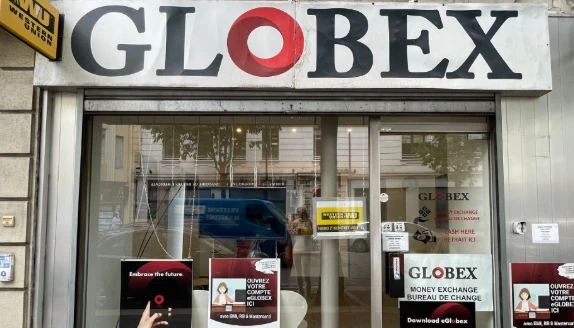
Exchange in reliable local outlets. Established foreign exchange providers in city centers typically offer better rates than tourist-heavy locations. Globex branches in Nice, Menton, Beausoleil and Antibes operate with transparent pricing, competitive rates and no surprise charges.
Break your exchanges into smaller batches. Rather than converting your entire budget at once, exchange a portion when rates are good and another portion later. This reduces the risk of converting everything at a less favorable rate.
Know Which Currency to Carry in Europe
For travelers heading to France in 2026, the euro remains the most practical and widely accepted currency. Here are some quick guidelines for planning your currency needs:
Carry enough euros for immediate expenses. Transportation from the airport, quick snacks, tips and museum entries are easier to handle with cash. Card acceptance is widespread, but not universal.
Avoid exchanging Philippine pesos inside Europe. Many European money changers do not accept PHP or offer very poor rates. It is better to exchange your money before leaving the Philippines or at trusted European providers like Globex.
Have a mix of payment options. Leverage cards for hotels and large purchases, and use cash for restaurants, markets and smaller shops. The French Riviera in particular still values cash for day-to-day expenses.
Avoid Dynamic Currency Conversion (DCC)
Dynamic Currency Conversion is a common and costly mistake travelers make. When paying with your card abroad, some terminals offer the option to charge your card in your home currency. This may seem convenient, but the conversion rate is almost always worse.
Always choose to pay in euros during your trip. This ensures your bank handles the conversion using more favorable market-aligned rates.
Understand Hidden Fees and How to Avoid Them
Certain banks, especially Philippine banks, add foreign transaction fees of 2 to 3 percent on top of your purchase amount. A cash withdrawal abroad can include non-network ATM fees.
To reduce these charges:
- Use a debit or credit card with low or zero foreign transaction fees.
- Withdraw money only from ATMs of major banks to avoid higher third party surcharges.
- Use cash primarily for daily spending to avoid unnecessary card fees.
Even with a good card, exchanging money at a trusted provider is often more affordable and more predictable.
Exchange Only With Licensed Providers
In 2026, digital scams and counterfeit operations continue to increase across Europe. This makes it even more important to work with licensed money exchange companies that follow strict regulatory standards.
Globex is regulated, transparent and trusted throughout the French Riviera. Rates are clearly displayed in each branch and clients are assisted by trained staff. This removes the guesswork and risk that often come with small, unregulated exchange booths.
Avoid Exchanging Too Much at Once
Even experienced travelers make the mistake of exchanging too much money at the start of their trip. This results in carrying unnecessary cash, which can lead to:
- higher risk of loss or theft
- unused foreign currency that must be exchanged back at a less favorable rate
A smart guideline is to exchange what you need for the next few days and top up when necessary. Globex branches in Nice, Antibes, Menton and Beausoleil make this convenient for travelers staying along the Riviera.
Use Money Exchange Wisely During Peak Tourist Seasons
Summer in the Côte d’Azur, Cannes Festival season, Christmas and New Year all bring price fluctuations. This impacts not only hotels and flights but sometimes exchange demand as well.
To stay ahead in 2026:
- Exchange before arriving in peak areas to secure better value.
- Avoid exchanging during late-night hours when fewer providers are open.
- Plan your exchange schedule ahead to prevent rushed decisions.
Know the Cash Limits When Entering France and the EU
The EU requires travelers to declare if they are carrying more than 10,000 euros or its equivalent in other currencies. This applies to cash, checks, prepaid cards and similar instruments.
Failing to declare may result in confiscation, fines or delays.
Most travelers never reach this amount, but OFWs sending funds or expats traveling with large amounts of savings should be aware of the rule.
Protect Yourself From Scams and Overcharging
Money exchange scams often target tourists who:
- are distracted
- are in a hurry
- accept unclear pricing
- do not verify notes
To stay protected in 2026:
- Always count your money before leaving the counter.
- Avoid exchanging with street vendors or mobile individuals.
- Use branches with real counters, receipts and visible rate boards.
- Double check the currency denomination, especially when receiving change.
For maximum safety, Globex branches provide verified notes and receipts for every transaction.
Why Exchanging in France Can Be Cheaper for Filipinos
and Expats
While some exchange pesos before flying, many OFWs and travelers find that exchanging money once in France provides better value. This is because:
- Philippine exchange outlets often add additional margin.
- European providers offer more competitive euro-based rates.
- There is less risk of double conversion (PHP to USD, then USD to EUR).
By exchanging directly to euros in France at Globex, you avoid unnecessary currency jumps.
When to Use ATMs Instead of Money Exchange
There are moments when ATM withdrawals can be useful:
- You need cash outside business hours.
- You are traveling through remote towns where exchange outlets are not available.
However, always consider the ATM withdrawal fee, conversion rate and foreign bank charge. A combination of ATM access and in-branch exchange gives you the best flexibility.
Travel Money Strategy for 2026: A Simple Formula
Here is an easy plan you can follow next year:
- Exchange enough euros before your flight for your first 24 to 48 hours.
- Avoid exchanging at the airport whenever possible.
- Track rates and exchange gradually instead of all at once.
- Keep some cash for daily purchases but avoid carrying too much.
- Use trusted, licensed providers such as Globex when in France.
- Mix your payment methods between euros and cards for flexibility.
Exchange Your Money Safely at Globex Branches Along the French Riviera
Travelers staying in Nice, Menton, Beausoleil or Antibes can rely on Globex for fast, secure and competitive money exchange services. Whether you are exchanging pesos, dollars or other major currencies, the branches provide excellent value without surprise fees. You can also send and receive international money transfers directly through the same locations.
If you are visiting the Côte d’Azur in 2026 and want stress free travel budgeting, visit your nearest Globex branch for reliable foreign exchange.




















Sign in to leave a comment.