

Overcrowded storage units can lead to frustration and wasted space. Many people rent storage units without planning how to arrange their belongings effectively, resulting in disorganization and potential damage. Learning smart ways to organize a storage unit for optimal space and practical efficiency helps keep items secure, easy to locate, and in good condition. With careful planning and strategic organization, any storage unit can become a streamlined, functional space.
Selecting the Ideal Storage Unit Size
Choosing the proper storage unit size is essential for maximizing space and maintaining order. People often underestimate how much room furniture and boxes require, leading to cramped, chaotic units. A thoughtfully selected unit can prevent overcrowding and make organization easier.
- Assess the volume and size of items to be stored.
- Select a unit with enough space for aisles and proper stacking.
- Factor in future storage needs to avoid repeated upgrades.
Designing an Efficient Storage Layout
An efficient layout streamlines storage and improves accessibility. Dividing the unit into clearly defined zones for various item categories allows for quicker access and better organization. For instance, storing seasonal decor separately from household essentials keeps things organized.
- Draw a floor plan to guide item placement.
- Create dedicated zones for specific item groups.
- Keep heavy, infrequently used items toward the back and lighter, frequently accessed items at the front.
Maximizing Vertical Space with Smart Shelving
Installing shelves significantly expands usable space. Vertical storage keeps the floor clear, making the unit easier to navigate and reducing clutter. Shelving also helps protect fragile items by preventing dangerous stacks.
- Add durable, adjustable shelving units along walls.
- Stack sturdy bins to avoid wasted vertical space.
- Store heavy items on lower shelves and lighter ones higher up for safety.
Packing and Labeling Boxes Correctly
Efficient packing and clear labeling eliminate the frustration of searching for items. Properly packed boxes protect belongings, and detailed labels make retrieving specific items quicker and easier. Grouping similar items enhances overall organization.
- Use durable, uniform-sized boxes for consistent stacking.
- Label boxes clearly on multiple sides.
- Organize items by category and list contents on each box.
Disassembling Large Furniture to Conserve Space
Oversized furniture can occupy excessive space when left assembled. Breaking down bulky items makes storage more efficient and minimizes the risk of damage. For example, removing legs from tables and securing them with protective padding prevents scratches and dents.
- Disassemble bed frames, tables, and large furniture.
- Keep screws and small parts in labeled bags attached to the item.
- Wrap furniture pieces in moving blankets or padding to prevent damage.
Placing Frequently Used Items Near the Front
Frequently accessed items should always be easy to reach. Items like holiday decorations, seasonal clothing, or tools should be readily available. A clear organization system ensures quick access without disrupting the entire unit.
- Position high-use items near the entrance.
- Store heavier items on the floor to avoid accidents.
- Maintain open pathways for simple access.
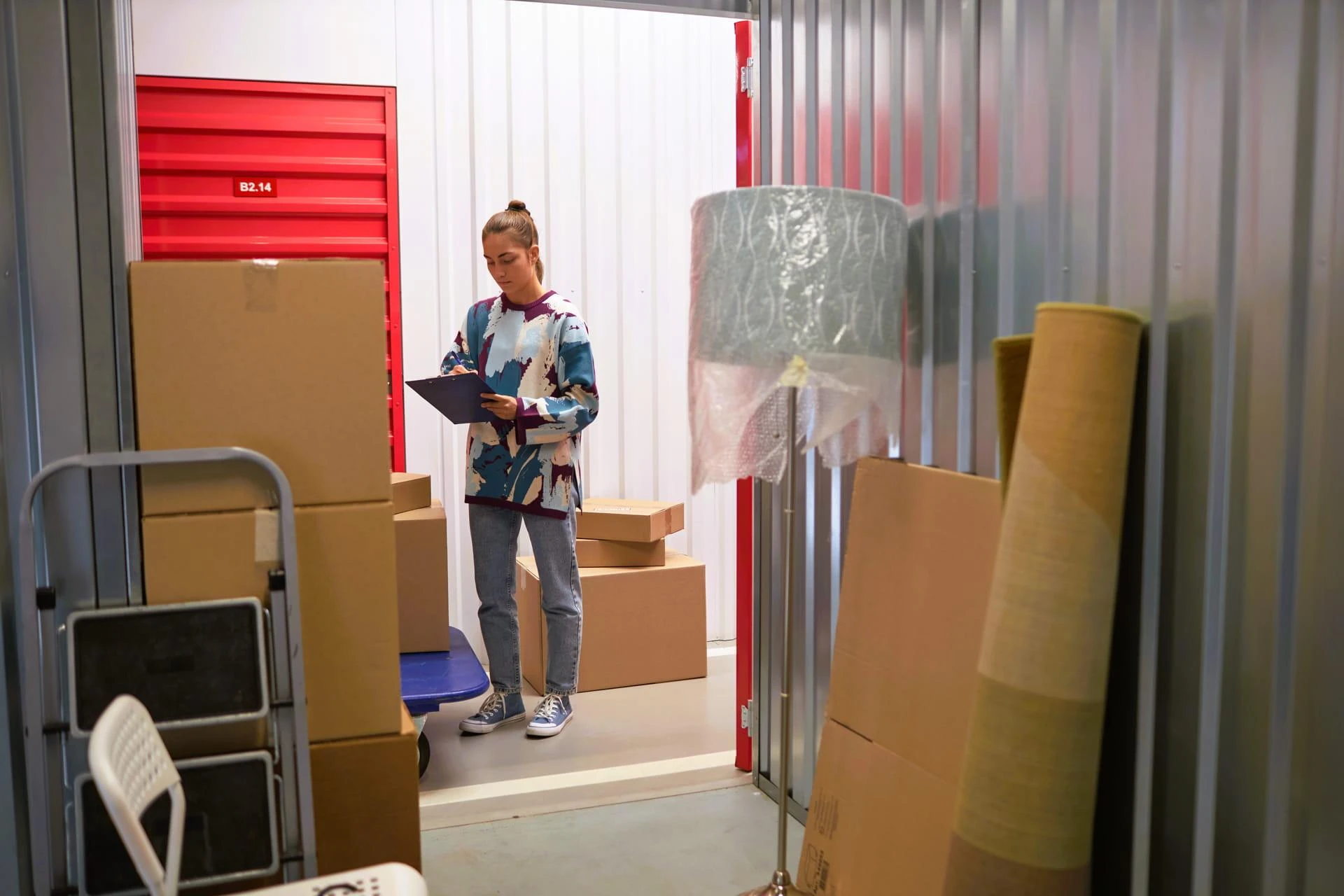
Utilizing Clear Containers and Storage Bins
Transparent bins make identifying items much simpler. Unlike cardboard boxes, clear containers allow for easy visibility and reduce the need to open multiple boxes. This method is especially helpful for small or miscellaneous items.
- Choose clear plastic bins for better visibility.
- Stack bins securely to prevent tipping.
- Color-code lids or labels for faster identification.
Protecting Items from Moisture and Damage
Stored items face risks like moisture damage, dust, and pests. Taking proactive steps to protect belongings ensures they stay in good condition. Moisture control, proper covers, and pest deterrents are crucial for long-term storage.
- Use breathable fabric covers for furniture.
- Elevate items with pallets to avoid water damage.
- Place silica gel packs or portable dehumidifiers to control humidity.
Maintaining Organization Over Time
Staying organized requires ongoing maintenance. Without routine checks, clutter can accumulate and make it difficult to find items. Regular inspections and adjustments help keep the storage unit efficient.
- Revisit the unit every few months to reorganize as needed.
- Update inventory lists when items are added or removed.
- Rotate seasonal items to keep essential belongings accessible.
Essential Takeaways for Organizing a Storage Unit
- Choose a storage unit size that allows room for proper organization.
- Design a layout that separates items by category and usage.
- Install sturdy shelving to maximize vertical space.
- Pack items carefully and label boxes on all sides.
- Store frequently used items near the entrance for easy access.
Frequently Asked Questions About Storage Unit Organization
1. How can I choose the right storage unit size?
Evaluate the number and type of items you need to store, and select a unit that allows space for walkways and future additions.
2. What materials are best for packing stored items?
Opt for strong, uniform boxes and clear bins. Use breathable covers for furniture and avoid plastic wraps that trap moisture.
3. How do I prevent moisture damage in my storage unit?
Elevate items off the ground with pallets, use moisture absorbers like silica gel, and choose climate-controlled units if possible.
4. Is shelving better than stacking boxes?
Shelving offers safer, more efficient storage by preventing box crushing and improving item accessibility.
5. How often should I reorganize my storage unit?
Inspect and reorganize the unit every three to six months to maintain order and prevent clutter.































Sign in to leave a comment.