
Alcohol consumption in India sits at the intersection of tradition, religion, class, and modern lifestyle, making it one of the most socially sensitive topics in everyday life. While drinking patterns are changing, especially in cities, social stigma around alcohol remains strong in many communities. This blog examines the roots of that stigma, how it plays out across gender, class, and age, and how media and public discourse are slowly reshaping attitudes toward alcohol use in India.
Cultural Roots of Alcohol Consumption in India and Long‑Standing Social Norms
Historically, alcohol has never been absent from Indian life, but its acceptance has varied widely by region and community. In parts of the North East, Goa, and some tribal belts, fermented drinks such as rice beer or toddy are part of cultural rituals and daily life. In contrast, large sections of the Hindi heartland and conservative communities view any drinking as morally suspect or “un‑Indian.” This uneven history helps explain why alcohol can be normalized in one village or state yet heavily stigmatized in another.
Religious, moral, and traditional influences shape alcohol and social norms in India in powerful ways. Many Hindu, Muslim, and Sikh communities associate alcohol with loss of control, sin, or disrespect for elders, which reinforces a moral framework where drinking is seen as irresponsible. Prohibition in states such as Gujarat and Bihar further institutionalizes this moral stance, turning abstinence into a civic virtue and heavy drinking into a social failing.
Family values and societal expectations reinforce stigma around drinking by tying reputation to sobriety. A man or woman who drinks may be labeled “loose,” “addicted,” or “unreliable,” and families often hide or deny alcohol‑related problems to protect their social image. This pressure discourages open discussion and makes it harder for people to seek help for alcohol‑use disorders.
Ritual Acceptance vs. Everyday Condemnation
There is a clear contrast between acceptance in certain cultural rituals and everyday condemnation. Alcohol may be used in religious offerings, community festivals, or wedding ceremonies in some regions, yet the same people may frown upon casual drinking in bars or at home. This duality creates confusion, especially for younger generations trying to reconcile ritual use with social disapproval.
Social Attitudes Towards Drinking in India Across Gender, Class, and Age
Gender and Double Standards
Gender‑based stigma and double standards surrounding alcohol use are among the most visible aspects of Indian attitudes. Men who drink are often seen as “social,” “modern,” or “stressed,” while women who drink face harsher judgment, being labeled as “immoral” or “unrespectable.” This double standard is slowly shifting in urban professional circles, but in many small towns and rural areas it remains rigid.
Age and Generation Gaps
Perception of drinking among youth, professionals, and older generations differs sharply. Young adults and working professionals in metros often treat moderate drinking as part of socializing, networking, or stress relief, while older generations frequently view it as a sign of moral decline. This generational gap fuels tension in families and workplaces, especially when young people drink more openly than their parents did.
Urban vs. Rural and Class Divides
Alcohol stigma in urban vs rural India and how class divides shape acceptance reveal important contrasts. In many rural areas, alcohol is associated with poverty, violence, and family breakdown, and stigma against dependent drinking is high. In cities, especially among middle‑ and upper‑class groups, moderate drinking at parties, pubs, or dinners is often normalized, though heavy or “visible” drinking can still attract criticism.
Peer Pressure and Social Spaces
The role of peer pressure, social circles, and public spaces in defining attitudes is crucial. College campuses, office outings, and social media-driven hangouts often normalize drinking as a marker of being “cool” or “liberal,” while religious gatherings, joint-family settings, and conservative workplaces actively discourage it. This split makes alcohol a marker of identity and belonging but also a source of social anxiety.
Changing Views on Alcohol Consumption in India in Modern Times
Urbanization, Globalization, and Media
The impact of urbanization, globalization, and media on shifting mindsets is visible in how alcohol is portrayed in ads, films, and social media. International brands, cocktail culture, and lifestyle marketing have helped reframe moderate drinking as sophisticated and aspirational, especially among the urban youth. At the same time, public‑health campaigns highlight the risks of heavy drinking and alcohol‑use disorders, creating a more balanced narrative.
Growing normalization of alcohol in metropolitan lifestyles is evident in the rise of pubs, wine bars, and “cocktail culture” in cities such as Delhi, Mumbai, Bengaluru, and Hyderabad. For many young professionals, drinking is no longer taboo but part of work‑life balance, even if they still hide it from family or conservative relatives.
Conflicts between traditional beliefs and modern social behavior are at the core of the stigma debate. Parents may accept that their children drink in private while insisting that they never appear intoxicated in public or in front of elders. This “hidden‑use” pattern reflects a society in transition, where behavior changes faster than social norms.
Public discourse and policy debates reflecting changing views on alcohol consumption in India are increasingly focused on regulation, taxation, and public health impact rather than only moral policing. States are grappling with how to balance revenue from alcohol sales with rising rates of alcohol‑use disorders and related social harm, leading to more nuanced discussions about harm reduction and treatment access.
Media, Public Discourse, and the Evolving Narrative Around Alcohol
News platforms shape conversations on alcohol and social responsibility depending on how they frame stories. Some outlets emphasize crime, domestic violence, and health crises linked to alcohol, reinforcing stigma and fear. Others highlight mental‑health angles, addiction treatment, and harm‑reduction strategies, helping to humanize people with alcohol‑use disorders.
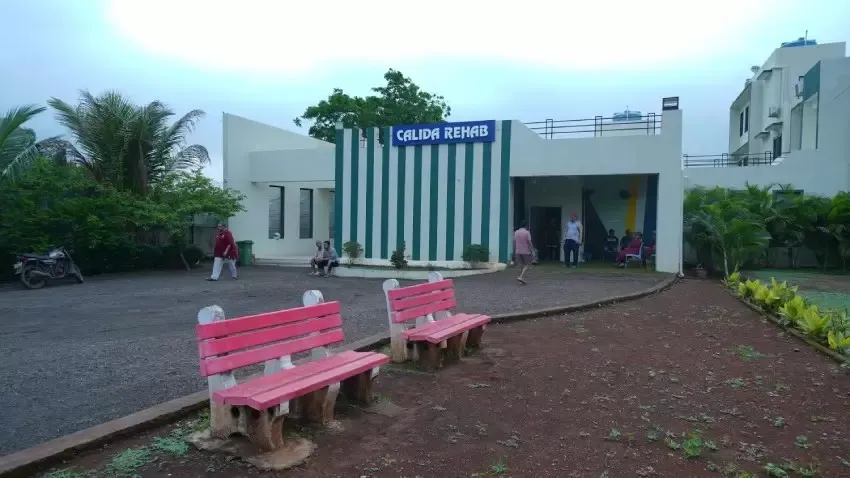
Coverage of health, crime, and policy issues related to alcohol use often focuses on rural districts, where alcohol‑use disorders and related social problems are high but treatment access is low. Studies from places such as Sehore in Madhya Pradesh show that many people with alcohol-use disorders avoid treatment because of shame and fear of social rejection, underscoring how stigma blocks care.
Regional Storytelling and Ground Reports
Regional storytelling and ground reports from Madhya Pradesh and Chhattisgarh reveal how alcohol‑related stigma intersects with poverty, unemployment, and mental‑health gaps. These reports often highlight women caregivers bearing the burden of dependent drinking, while men with alcohol‑use disorders face discrimination at home, at work, and in health facilities.
News World Web connects social issues with current national news in Hindi for a wider Hindi-speaking audience. It is an example of how regional platforms can bridge local concerns and national debates. By covering alcohol‑related stigma, rural drinking patterns, and treatment‑access gaps alongside current national news in Hindi, such outlets help Hindi‑speaking readers in Madhya Pradesh, Chhattisgarh, and other states see alcohol as both a personal and a public‑health issue rather than just a moral failing.
Cited Sources
- https://pmc.ncbi.nlm.nih.gov/articles/PMC9304139/
- https://www.downtoearth.org.in/health/study-shows-social-stigma-comes-in-the-way-of-alcoholics-opting-for-treatment-52235
- https://pmc.ncbi.nlm.nih.gov/articles/PMC11293778/
- https://onlinelibrary.wiley.com/doi/abs/10.1111/dar.13438
- https://pmc.ncbi.nlm.nih.gov/articles/PMC11633244/
- https://onlinelibrary.wiley.com/doi/10.1111/add.15777
- https://pmc.ncbi.nlm.nih.gov/articles/PMC8429933/






























Sign in to leave a comment.