

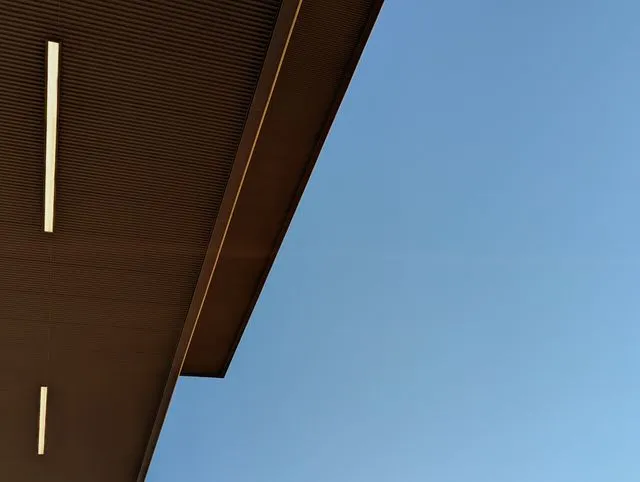
Soffits are an important part of a property's roofline, helping protect the underside of the roof while contributing to ventilation and the overall appearance of the building. When soffits become cracked, rotten, loose or poorly ventilated, they can affect more than just the appearance of your home. Professional Soffits Services in Cumbria can help identify roofline problems and determine whether repair, maintenance or replacement is the most suitable solution.
Although soffits are often overlooked, they work alongside fascias, gutters and the roof itself. Keeping these components in good condition can help protect the roofline from weather exposure and prevent relatively small defects from developing into larger problems.
What Are Soffits and Why Do They Matter?
Soffits are the panels fitted underneath the overhanging edge of a roof. They provide a finished appearance to the roofline while helping protect the roof structure and supporting components from exposure to weather and pests.
Depending on the property, soffits may be made from materials such as uPVC, timber or other suitable roofline products.
Their main functions include:
- Covering the underside of the roof overhang
- Helping protect roof timbers from weather exposure
- Supporting appropriate roof ventilation
- Providing a neat transition between the roof and exterior walls
- Contributing to the overall appearance of the roofline
A well-maintained soffit system should complement the fascias and guttering rather than being treated as an isolated component.
Common Soffit Problems
Soffits can deteriorate gradually, particularly when they are exposed to persistent moisture or when surrounding roofline components are no longer functioning correctly.
Cracked or Damaged Panels
Impact, weather exposure and general deterioration can cause soffit panels to crack or become damaged. Even a small opening can provide an opportunity for moisture, insects or birds to access areas beneath the roof.
Rotting Timber Soffits
Timber soffits can become vulnerable to rot when they are repeatedly exposed to moisture. Signs may include soft areas, discolouration, flaking paint or visible deterioration.
Where timber has deteriorated significantly, simply painting over the surface may not solve the underlying problem.
Poor Ventilation
Roof spaces need suitable ventilation to help manage moisture and condensation. Damaged or obstructed soffit vents can interfere with airflow.
The appropriate ventilation arrangement depends on the roof construction and existing ventilation system, so any changes should be considered as part of the wider roof structure.
Loose or Displaced Soffits
Strong winds and deterioration of fixings can cause soffit sections to become loose. A displaced panel may allow wind-driven rain or debris to enter areas that should remain protected.
Signs Your Soffits Need Attention
Soffit problems are not always obvious from ground level, but several warning signs can indicate that an inspection is worthwhile.
Look for:
- Cracks or holes in soffit panels
- Sagging or loose sections
- Peeling or deteriorating timber
- Dark staining or signs of moisture
- Mould or persistent dampness
- Damaged ventilation openings
- Birds or insects accessing the roofline
- Water-related damage around the fascia or gutter
- Gaps between roofline components
If several of these signs are present, it is sensible to have the roofline assessed rather than assuming the soffit itself is the only problem.
How Soffits Work With Fascias and Gutters
A roofline functions as a connected system. Soffits, fascias and gutters all have different roles, but problems with one component can affect the others.
Fascias
Fascia boards sit along the edge of the roof and often provide support for the guttering. If a fascia has deteriorated, the gutter may become loose or incorrectly positioned.
Gutters
Gutters collect rainwater from the roof and direct it towards downpipes. If they leak or overflow, water can repeatedly expose the soffit and fascia to moisture.
Soffits
Soffits close the underside of the roof overhang and can incorporate ventilation. They help complete the roofline while protecting the area beneath the roof covering.
Because these components work together, replacing a damaged soffit without considering adjacent defects may leave the underlying issue unresolved.
Should Soffits Be Repaired or Replaced?
The right approach depends on the material, extent of deterioration and condition of the surrounding roofline.
Repair May Be Suitable When:
- Damage is limited to a small area
- Fixings have become loose
- A minor section has been displaced
- The underlying material remains sound
- Ventilation openings need local attention
Replacement May Be Better When:
- Timber has extensive rot
- Multiple panels are damaged
- The material has deteriorated significantly
- Ventilation is inadequate or damaged
- The surrounding fascia or roofline is also in poor condition
A professional inspection can help establish whether localised repairs are practical or whether replacing the affected sections would provide a more reliable long-term solution.
Why Soffit Ventilation Matters
Ventilation is an important consideration when maintaining a roof space. Poor airflow can contribute to moisture and condensation issues, depending on the construction of the roof and the property's ventilation arrangement.
Soffit vents can form part of the ventilation strategy by allowing air to enter at the eaves. However, vents should not simply be added without considering the wider roof design.
Blocked ventilation openings can also reduce their effectiveness. During a roofline inspection, it is therefore useful to check whether existing vents are clear and functioning as intended.
Choosing Soffit Materials
The material used for soffits can affect maintenance requirements, appearance and durability.
uPVC Soffits
uPVC is widely used for modern roofline applications because it is relatively low maintenance and available in different colours and finishes. It can also be practical where homeowners want to reduce the need for regular painting.
Timber Soffits
Timber can suit traditional properties and may provide an attractive natural appearance. However, it requires appropriate maintenance to help protect it from moisture and deterioration.
The best material depends on the property, existing roofline, appearance and practical requirements.
How Much Do Soffit Services Cost?
There is no single price for soffit work because every property has different requirements.
Factors that can affect the cost include:
- Length of the roofline
- Number of soffit sections involved
- Choice of material
- Extent of existing damage
- Access to the roofline
- Condition of fascias and gutters
- Ventilation requirements
- Whether additional roofline repairs are necessary
A proper assessment is preferable to relying on a generic estimate because visible soffit damage may be connected to problems elsewhere along the roof edge.
Maintaining Your Soffits
Regular roofline checks can help identify problems before they become more extensive.
Simple preventative measures include:
- Check visible soffit panels periodically.
- Look for cracks, gaps or loose sections.
- Keep gutters clear so water does not overflow onto the roofline.
- Check for signs of dampness or staining.
- Inspect ventilation openings for obstructions.
- Arrange professional attention when deterioration becomes apparent.
After periods of strong wind or heavy rainfall, a visual inspection can also help identify newly displaced or damaged components.
Frequently Asked Questions
What is the purpose of a soffit?
A soffit covers the underside of the roof overhang, helping protect the roofline while providing a finished appearance and, where designed for it, supporting roof ventilation.
How do I know if my soffits need replacing?
Cracks, rot, extensive staining, loose panels, holes and significant deterioration can indicate that replacement may be necessary. An inspection can determine the appropriate solution.
Are uPVC soffits better than timber?
Neither material is automatically best for every property. uPVC can offer a lower-maintenance option, while timber may be preferred for certain traditional or character properties.
Can damaged soffits cause roof problems?
Damaged soffits can allow moisture, debris, birds or insects into areas beneath the roof. They may also indicate wider roofline problems that should be investigated.
Do soffits need ventilation?
Some roof constructions require ventilation at the eaves to support appropriate airflow through the roof space. The correct arrangement depends on the building and roof design.
Can soffits be repaired without replacing the fascias?
Yes, where the fascia remains sound and the damage is confined to the soffit. However, the condition of both components should be assessed because they work closely together.
How often should soffits be inspected?
There is no fixed interval suitable for every property. Periodic visual checks, particularly after severe weather, can help identify obvious damage before it becomes more serious.
Keep Your Roofline in Good Condition
Soffits may not receive as much attention as tiles or gutters, but they are an important part of a properly maintained roofline. Cracks, rot, loose panels and blocked ventilation should not be ignored, particularly where there are signs of moisture or deterioration around the roof edge.
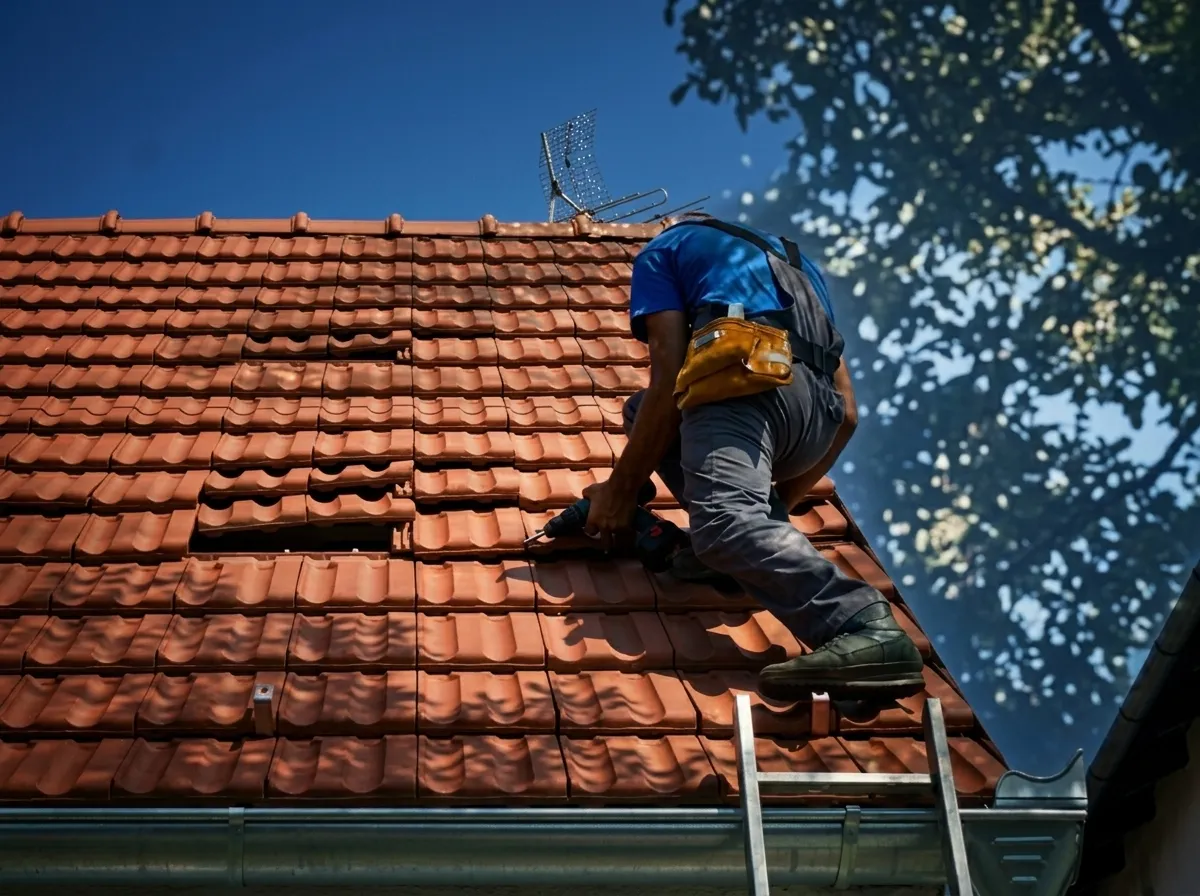
If you need help assessing your roofline, a reputable Roofing company in Cumbria can help identify whether your soffits require maintenance, repair or replacement and whether the surrounding fascias and guttering also need attention.


















Sign in to leave a comment.