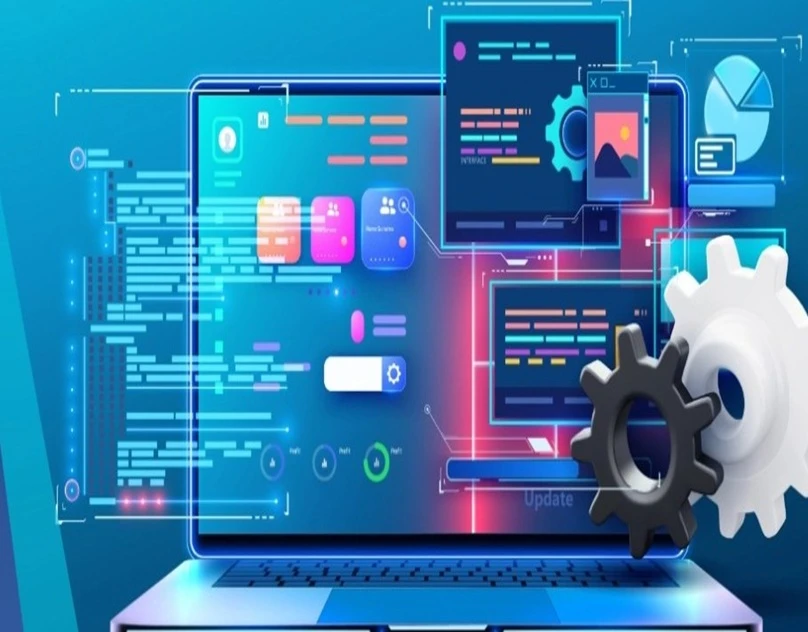

Why Software Modernization is No Longer a Technology-Only Decision
Enterprise software platforms rarely become obsolete overnight. They continue to process transactions, support customers, and enable core operations. The challenge emerges quietly. Each enhancement takes longer. Each integration carries more risk. Each release requires deeper caution.
Over time, leaders begin to sense friction. Business teams want faster change. Technology teams warn about stability. Innovation slows, not because ideas are lacking, but because systems resist evolution.
This is the point where software modernization becomes a strategic business decision rather than a purely technical initiative.
What Software Modernization Means in a Business Context
Software modernization focuses on extending the useful life of existing platforms while enabling them to support current and future business demands. It is not about discarding what works. It is about removing constraints that prevent progress.
Modernization may involve architectural improvements, better integration patterns, enhanced scalability, or improved maintainability. Each improvement is designed to preserve continuity while enabling controlled change.
The outcome is resilience, not disruption.
Why Enterprises Hesitate Before Modernizing Software
Modernization initiatives are often delayed because legacy platforms appear stable. They still run critical workloads. Replacing them feels risky. Leaders worry about downtime, cost, and unintended consequences.
However, the greater risk lies in inaction. As software ages, knowledge becomes concentrated. Dependencies grow harder to trace. Security exposure increases silently. Each delay compounds future complexity.
Software modernization services help enterprises move forward incrementally instead of facing forced transformation later.
How Software Modernization Services Reduce Business Risk
Software modernization services provide structure and discipline to modernization efforts. Instead of large, disruptive projects, improvements are delivered in measured phases aligned with business priorities.
This approach offers:
- Operational continuity: Systems remain stable during change
- Predictable progress: Each phase delivers visible improvement
- Reduced uncertainty: Risks are addressed early and systematically
Modernization becomes manageable rather than intimidating.
Addressing the Real Challenges of Legacy Software Modernization
Many enterprises depend on platforms built years ago using technologies that no longer align with modern delivery expectations. Legacy software modernization addresses this challenge by improving structure and reducing technical friction without rewriting entire systems.
By modernizing selectively, organizations preserve valuable business logic while improving adaptability. Change becomes safer. Delivery becomes faster.
Why Legacy Software Modernization Services Matter
Legacy software modernization services bring experience and governance to complex environments. They help organizations avoid common pitfalls such as over-customization, dependency mismanagement, and underestimating testing effort.
With the right services, modernization scales across portfolios instead of remaining a one-off initiative.
The Role of Legacy Modernization Software in Planning
A Legacy modernization software approach provides visibility into application structure, dependencies, and modernization readiness. Leaders gain clarity on where investment will generate the highest impact.
Decisions become data-driven. Modernization roadmaps align with business value rather than urgency alone.
Balancing Stability and Innovation
One of the biggest misconceptions about modernization is that it introduces instability. In practice, stability improves when systems are easier to understand and maintain.
Modernized software platforms support innovation by reducing friction. Enhancements move faster. Integrations become simpler. Teams spend less time managing risk and more time delivering outcomes.
Innovation becomes sustainable.
Reducing Hidden Operational Costs
Legacy platforms often hide significant operational costs. Manual workarounds. Extended testing cycles. Fragile integrations. These costs rarely appear in budgets but erode productivity over time.
Software modernization reduces these inefficiencies by simplifying architecture and enabling automation readiness. Operational effort decreases while delivery confidence increases.
Supporting Security and Compliance Evolution
Older software was not designed for today’s security and compliance requirements. Retrofitting controls into rigid architectures is challenging.
Modernization enables security improvements to be introduced incrementally. Controls are strengthened without destabilizing production systems. Compliance improves alongside maintainability.
Enabling Better Use of Engineering Talent
Modern software environments attract talent. Legacy platforms often struggle to do so. New engineers find outdated stacks difficult to work with. Knowledge silos form.
Modernized software is easier to understand and evolve. Teams collaborate more effectively. Engineering effort shifts from maintenance to value creation.
Why Leadership is Prioritizing Software Modernization Now
Market conditions demand agility. Regulatory expectations are rising. Customer tolerance for disruption is low.
Software modernization allows enterprises to adapt confidently. Platforms support strategy instead of constraining it. Leaders regain control over change.
Measuring the Impact of Software Modernization
Successful modernization is measured through outcomes. Faster releases. Fewer incidents. Improved integration reliability. Better alignment between technology and business goals.
These benefits accumulate gradually, creating durable operational resilience.
A Final Thought: Modernization Protects Momentum
Software modernization is not about chasing new technology. It is about protecting business momentum. When platforms evolve smoothly, organizations move faster and with greater confidence.
By modernizing deliberately and incrementally, enterprises extend platform life, reduce risk, and prepare their software foundations for long-term growth.
Have Questions? Ask Us Directly!
Want to explore more and transform your business?
Send your queries to: [email protected]

























Sign in to leave a comment.