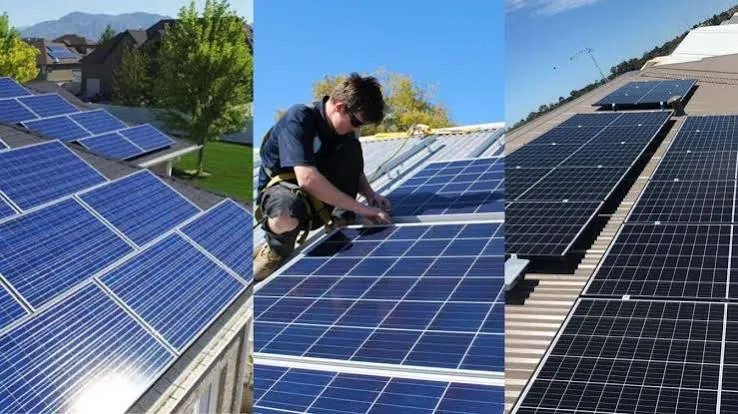

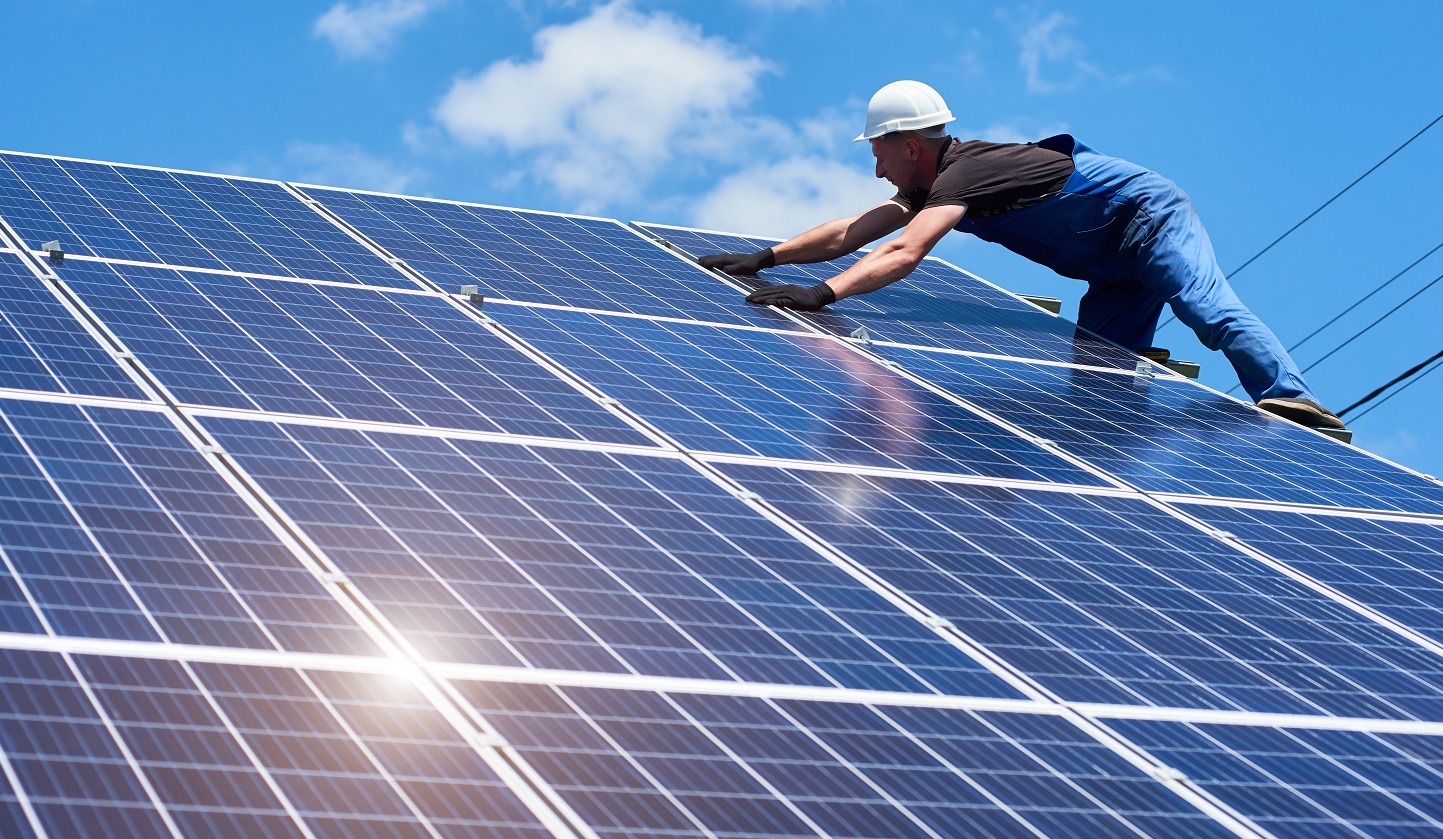
Choosing solar energy is becoming an increasingly practical option for households looking to manage electricity costs and use cleaner energy. With strong sunlight across Western Australia, rooftop solar can be a valuable addition to many homes and small businesses. Solar panels in Perth work by converting sunlight into electricity that can be used to power everyday appliances, with excess generation potentially exported to the electricity grid or stored in a battery. The Australian Government notes that rooftop solar can help reduce household electricity bills, protect against electricity price rises and lower greenhouse gas emissions.
For homeowners, the right solar system is not simply about installing the largest number of panels possible. Roof space, electricity consumption, shading, panel orientation, inverter capacity and future energy needs all influence the ideal system. A carefully planned installation can make better use of available sunlight throughout the day while providing a practical balance between upfront investment and long-term energy savings.
Why Solar Energy Suits Perth Homes
Perth's sunny conditions make rooftop solar particularly attractive for residential properties. Solar panels generate electricity when sunlight reaches their photovoltaic cells, while an inverter converts the electricity into a form suitable for household use. The electricity can then supply appliances such as refrigerators, air conditioners, washing machines, computers and other household equipment.
One of the biggest advantages of solar panels in Perth is the opportunity to produce electricity during daylight hours instead of purchasing all electricity from the grid. Homes with higher daytime electricity consumption may be able to use a greater portion of their solar generation directly. Households can also consider adding battery storage when they want to retain some of their daytime solar energy for use later in the evening.
Solar can also support wider household electrification. As more homes adopt efficient appliances, electric hot water systems, induction cooking and electric vehicles, a well-designed solar system can help offset some of the electricity required for these technologies. The Australian Government specifically identifies solar as a way to reduce the cost of EV charging and household energy use.
How a Solar System Works
A typical rooftop solar installation contains several important components that work together. Solar panels generate electricity from sunlight, while the inverter manages the conversion of that electricity into usable household power. A switchboard and meter connect the system with the home's electrical infrastructure and the electricity network. Battery storage can be added as an optional component for storing surplus solar energy.
The basic process is straightforward. During daylight hours, panels generate electricity according to the available sunlight. The home uses this electricity first where possible. Depending on the system configuration and electricity arrangements, surplus generation can be exported to the grid. If a battery is installed, excess electricity may instead be stored for later use.
This makes system design important. A household that consumes most of its electricity during the evening may have different requirements from a household that operates air conditioning, appliances or home-office equipment throughout the day. Looking at actual electricity consumption before selecting equipment can therefore help create a more useful system.
Choosing the Right Panel System
There is no single solar panel size that is suitable for every Perth property. A system should be selected according to household electricity consumption, roof characteristics, available sunlight and future plans. The Australian Government recommends considering factors such as system size, hardware quality and expected energy use when evaluating solar options.
When comparing solar panels in Perth, homeowners should look beyond the headline panel wattage. Panel efficiency, product warranty, manufacturer support and the suitability of the panel for Australian conditions are also important. More efficient panels can be useful when roof space is limited because they can produce more electricity from a smaller area.
A professional assessment should also consider roof orientation and shading. Trees, neighbouring buildings, chimneys and other structures can affect generation. Even a high-quality panel may produce less electricity when part of its surface is regularly shaded. A good system design aims to make the best practical use of the available roof area.
Important Components to Compare
| Component | Main Purpose | What to Consider |
|---|---|---|
| Solar Panels | Generate electricity from sunlight | Efficiency, warranty and approved product status |
| Inverter | Converts solar electricity for household use | Capacity, compatibility and monitoring |
| Battery | Stores surplus electricity | Usable capacity, warranty and energy needs |
| Mounting System | Secures panels to the roof | Roof type, durability and installation quality |
| Metering | Measures electricity movement | Network and retailer requirements |
| Monitoring | Tracks system performance | App features and production information |
Quality should be considered across the complete system rather than focusing on a single component. The Clean Energy Council maintains approved lists for solar PV modules, inverters and batteries that meet relevant Australian and international standards.
Solar Panels and Battery Storage
A battery can complement rooftop solar by storing electricity generated during periods when the home is producing more energy than it needs. That stored energy can then be used when solar generation is lower, such as in the evening or during periods of reduced sunlight.
For some households, a battery can increase the amount of solar energy consumed within the property rather than exported. However, battery storage should be evaluated based on actual electricity consumption, daily solar production and the household's preferred energy strategy. A larger battery is not automatically a better investment.
Homeowners considering solar panels in Perth alongside battery storage should also think about future electricity demand. An EV, electric hot water system or additional air conditioning may change the household's energy profile. Planning for these changes at the beginning can help avoid unnecessary equipment upgrades later.
Understanding Current Perth Solar Requirements
Western Australia's solar requirements have recently changed. From 1 May 2026, new or upgraded solar and battery systems on the South West Interconnected System must meet updated technical requirements. These rules are designed to support the continued growth of rooftop solar while helping manage electricity network stability.
The updated arrangements allow greater flexibility for certain systems and can support larger inverter capacities under applicable connection conditions. New and upgraded systems must also meet relevant requirements for communication and remote management or use the applicable export-limiting arrangement. The exact requirements can depend on the electricity retailer, network connection and system configuration.
For this reason, homeowners should ask an installer how the proposed system complies with the current Western Australian connection requirements before signing an agreement. This is especially important when upgrading an existing system or adding a battery.
What to Check Before Installation
Selecting an installer requires more consideration than simply comparing the lowest price. A solar system is a long-term household investment, so homeowners should understand what equipment is being supplied, how it will be installed and what warranties apply.
Before choosing an installation proposal, consider these points:
- Compare more than one detailed quote.
- Check that the proposed equipment is approved for Australian installation where applicable.
- Review panel, inverter and battery warranties carefully.
- Ask about system monitoring and after-sales support.
- Confirm the installer understands current network requirements.
- Check whether roof conditions or electrical upgrades could affect the final price.
- Review the contract before making a commitment.
Western Australian consumer guidance also recommends obtaining multiple quotes, checking installer accreditation, understanding contract conditions and confirming the manufacturers of system components.
Solar Performance and Everyday Energy Use
The performance of solar panels in Perth depends on more than the number of panels installed. Sunlight availability, temperature, roof orientation, shading, system design and household consumption all affect the amount of useful electricity a system provides.
One simple way to improve solar value is to use more electricity during periods when the panels are producing energy. Running suitable appliances during daylight hours can increase direct solar consumption. Smart energy management can also help households coordinate appliances, hot water systems, batteries and EV charging with periods of higher solar generation.
Regular monitoring is useful as well. A noticeable drop in production may indicate shading, equipment problems, inverter faults or other issues requiring attention. Keeping an eye on system performance can help homeowners identify problems earlier rather than waiting for a significantly higher electricity bill.
Solar for Different Types of Perth Properties
Solar is not limited to large detached homes. Smaller homes, townhouses, small businesses and other properties may also benefit when suitable roof space and electrical conditions are available. However, each property has different limitations.
A home with a large, unobstructed roof may have plenty of space for panels, while a compact property may need high-efficiency modules to make the most of limited roof area. Commercial properties may have different electricity consumption patterns and may benefit from designing a system around daytime operational demand.
Properties in suburbs such as South Perth, Subiaco, Victoria Park, Osborne Park, Nedlands, Mount Lawley, Belmont, Applecross, Leederville and Claremont can have very different roof layouts and shading conditions. A site-specific assessment is therefore more useful than assuming that one system design will suit every property.
Long-Term Value of Solar
The financial value of solar panels in Perth should be considered over the expected operating life of the system rather than only by looking at the initial purchase price. Electricity savings, system performance, maintenance, equipment warranties, export arrangements and future energy consumption can all influence the overall result.
Government-supported schemes may also affect the upfront cost or financial calculations for eligible systems. For example, eligible small-scale rooftop solar installations may qualify for Small-scale Technology Certificates when they meet applicable requirements, including using approved panels and inverters.
Because incentives and electricity arrangements can change, homeowners should confirm current eligibility and conditions before relying on a particular rebate or certificate value in their budget. A clear quote should show the system price, applicable incentives, equipment included and any additional installation costs.
Maintenance and System Care
Solar panels generally require relatively little routine maintenance, but homeowners should still pay attention to system performance. Dust, leaves, bird activity and surrounding vegetation can sometimes affect panels. The amount of cleaning required depends on the property and local conditions.
The inverter and monitoring system should also be checked periodically. If production suddenly falls or the inverter reports a fault, professional assistance may be required. Homeowners should avoid attempting electrical repairs themselves and instead use appropriately qualified professionals.
Keeping installation records, warranties, product information and invoices in a safe place can make future servicing easier. These documents may also be useful if the property is sold or if equipment needs to be replaced under warranty.
Making a Smarter Solar Decision
The best approach to solar panels in Perth is to begin with household energy needs rather than starting with a particular panel brand or system size. Review recent electricity usage, identify when energy is consumed, inspect the roof and consider whether battery storage or an EV may become part of the household's future.
A good proposal should explain expected system generation, equipment specifications, installation work, warranties and applicable network requirements. Homeowners should compare proposals on overall value rather than choosing purely on price.
It is also sensible to consider the system's future flexibility. New Western Australian requirements are designed to support evolving rooftop solar and battery participation in the electricity system, so asking whether equipment is compatible with current requirements can help protect the usefulness of the investment.
Conclusion
Installing solar panels in Perth can be a practical way for households to generate renewable electricity, reduce reliance on grid power and manage long-term energy costs. The strongest results come from selecting a system that matches actual electricity consumption, roof conditions and future household requirements rather than simply choosing the biggest or cheapest option.
Panel quality, inverter performance, battery compatibility, installation standards and current Western Australian connection rules should all be considered before making a decision. With careful planning, professional installation and sensible energy use, rooftop solar can become a valuable part of a home's energy strategy for many years. The key is to compare complete system proposals, understand the available options and choose equipment that is suitable for both the property and the household's long-term needs.
Location:- Perth , Western Australia
https://www.energy.gov.au/solar

























Sign in to leave a comment.