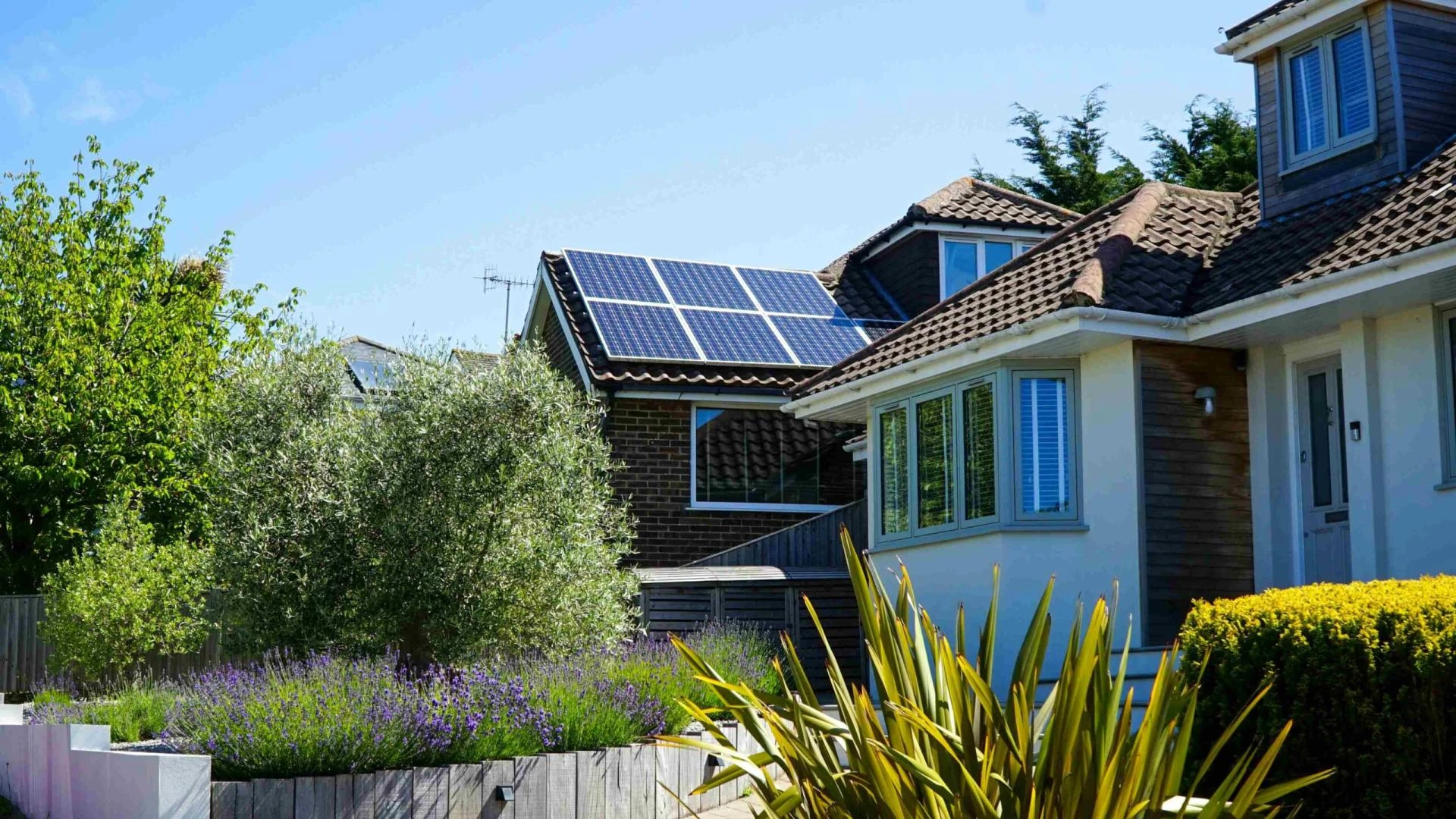

In Odisha, with its year-round heat and humidity, frequent power cuts, and overall low average household income, solar power is a smart and environmentally friendly solution. For eco-friendly and cost-effective energy products for your home or office a Hybrid Solar Roof System which is also called a Rooftop Solar Systems is the right choice for Odisha.
Understanding On-Grid, Off-Grid, and Hybrid Solar Systems
Solar power systems can be designed in several ways depending on how they connect to the electrical grid and manage energy use. The three main configurations are on-grid, off-grid, and hybrid systems. Each setup differs in its components, energy flow, cost structure, and reliability. Understanding these distinctions can help you choose the system that best fits your needs and environment.
1. On-Grid Solar Systems
Definition: An on-grid system, also known as grid-connected solar system, is directly linked to the local electricity grid. It allows you to draw power from the grid when solar energy produced is insufficient and send excess electricity back when production exceeds demand. KARMA-tech offers this system and is a Government of India empanelled solar vendor under the PM Surya Ghar - Muft Bijli Yojana and is also the top vendor in Odisha with the largest number of installations in Odisha.
How It Works
- Solar panels capture sunlight and generate DC (direct current) electricity.
- A grid-tie inverter converts the DC power to AC (alternating current) for household or commercial use.
- If solar production exceeds consumption, excess power is exported to the grid.
- When solar production drops (at night or during cloudy weather), electricity is imported from the grid.
Key Components
- Solar panels
- Grid-tie inverter
- AC distribution panel
- Bi-directional electricity meter
- Optional monitoring system
Advantages
- Lower initial cost (no batteries required)
- Minimal maintenance
- Reliable power access since the grid acts as backup
- Possibility of earning credits or reduced bills via net metering
Limitations
- Does not provide power during a grid outage (for safety, most grid-tied systems shut down automatically)
- Dependent on local grid regulations for energy buy-back or credit programs
Best For: Homes or businesses in areas with stable grid access and favorable net-metering policies.
2. Off-Grid Solar Systems
Definition: An off-grid solar system operates independently from the utility grid, supplying power exclusively through solar generation and energy storage. It’s ideal for remote locations or users seeking full energy independence.
How It Works
- Solar panels generate DC electricity during daylight hours.
- A charge controller regulates the current flowing into battery storage, preventing overcharging.
- An inverter converts stored DC electricity into AC for household use.
- During the night or cloudy periods, the system draws energy from the batteries.
- Optional backup generators can supplement power during extended low-sunlight conditions.
Key Components
- Solar panels
- Charge controller
- Battery bank (lithium-ion, lead-acid, or other deep-cycle batteries)
- Off-grid inverter
- Backup generator (optional)
- Electrical distribution system
Advantages
- Complete independence from the grid
- Unaffected by power outages or grid failures
- Suitable for remote or rural areas without grid infrastructure
Limitations
- Higher upfront cost due to batteries and storage requirements
- Limited energy availability during prolonged cloudy weather unless backup generation is included
- Requires ongoing maintenance and eventual battery replacement
Best For: Remote homes, cabins, farms, or anyone seeking full self-reliance and grid independence.
3. Hybrid Solar Systems
Definition: A hybrid solar system combines the features of on-grid and off-grid setups. It connects to the utility grid and includes a battery backup, offering both flexibility and resilience. In places like Odisha, where peak sun hours are very high, these systems generate the most power output. You can also improve your energy self-sufficiency with hybrid systems as these can provide uninterrupted power to your home or office by also being able to deliver power during power cuts.
How It Works
- Solar panels generate DC power, which an inverter converts to AC for immediate use.
- Surplus solar energy charges the battery system first, and any remaining excess can be sent to the grid.
- When solar output is low, the system can draw from stored battery energy or the grid as needed.
- During a grid outage, the system automatically switches to battery power, keeping essential loads operational.
Key Components
- Solar panels
- Hybrid inverter (handles both grid and battery interactions)
- Battery storage system
- Grid connection and smart metering
- Energy management or monitoring system
Advantages
- Provides backup power during outages
- Enables energy storage for use during peak electricity pricing while allowing users to use cheaper power from the grid when rates are low
- Offers flexibility to reduce grid dependence without full isolation
- Can participate in net metering, where available
Limitations
- Higher installation cost than on-grid systems
- Requires more complex setup and energy management
- Battery maintenance and lifespan considerations
Best For: Homes or facilities with grid instability or high electricity costs looking for backup capability and energy optimization.
On-Grid System
- Grid Connection: Connected
- Energy Storage: Optional / usually none
- Power During Outage: No
- Upfront Cost: Low
- Maintenance: Low
- Best Use Case: Areas with reliable grid access
- Main Benefit: Cost savings and simplicity
Off-Grid System
- Grid Connection: Not connected
- Energy Storage: Required
- Power During Outage: Yes
- Upfront Cost: High
- Maintenance: Medium-High
- Best Use Case: Remote or rural sites
- Main Benefit: Total independence
Hybrid System
- Grid Connection: Connected
- Energy Storage: Included
- Power During Outage: Yes
- Upfront Cost: Moderate-to-High
- Maintenance: Medium
- Best Use Case: Areas with occasional outages or dynamic pricing
- Main Benefit: Flexibility and resilience
Choosing the Right System
- Choose on-grid if your area has reliable electricity and you want to reduce utility bills.
- Choose off-grid if you’re in a remote area, or want total independence from the grid.
- Choose hybrid if you want energy backup, flexibility, and control over how your power is stored and used.
Rooftop Solar System in Odisha: Affordable, and Reliable
Solar systems for the rooftop are now within the reach of the average household and business. The solar system is mounted directly onto your rooftop or another suitable location at your property and yields a significant savings on your electricity bills. The government of Odisha is also encouraging solar adoption with substantial promotions and incentives including subsidies to help not only those who are unable to pay for the system on their own but to everyone else as well in the effort to make the state and India energy self-sufficient.
Solar systems for rooftops are also simple to install. With good panels and inverters, this system can perform well for 20-25 years and are covered by a guarantee from KARMA-Tech. You will also cut down your carbon footprint and help Odisha become more environmentally friendly by installing a rooftop solar system.
Call Karma Tech now and schedule an appointment for your solar power system!
Both the systems are well suited to Odisha since the solar power is easily accessible and climatic requirements are also perfect for solar power.
Karma Tech: Official Partner for Solar for Odisha
Karma Tech specializes in providing the latest Hybrid Solar Roof Systems Odisha and Rooftop Solar Systems Odisha. The certified installers and professional technicians at the company are responsible for making the system run at the best efficiency.
With Karma Tech's solutions, you can choose a reliable solar energy solution for your home or business, saving long-term costs while also protecting the environment.
Solar energy in India has a bright future, and here, you can be a part of it. Make a choice between the Hybrid Solar Roof Systems India or the Rooftop Solar Systems Odisha India, and both will give you energy security and financial benefits. Now, go for that next step and power your home or business with a clean energy solution.
Call Karma Tech now and schedule an appointment for your solar power system!





Sign in to leave a comment.