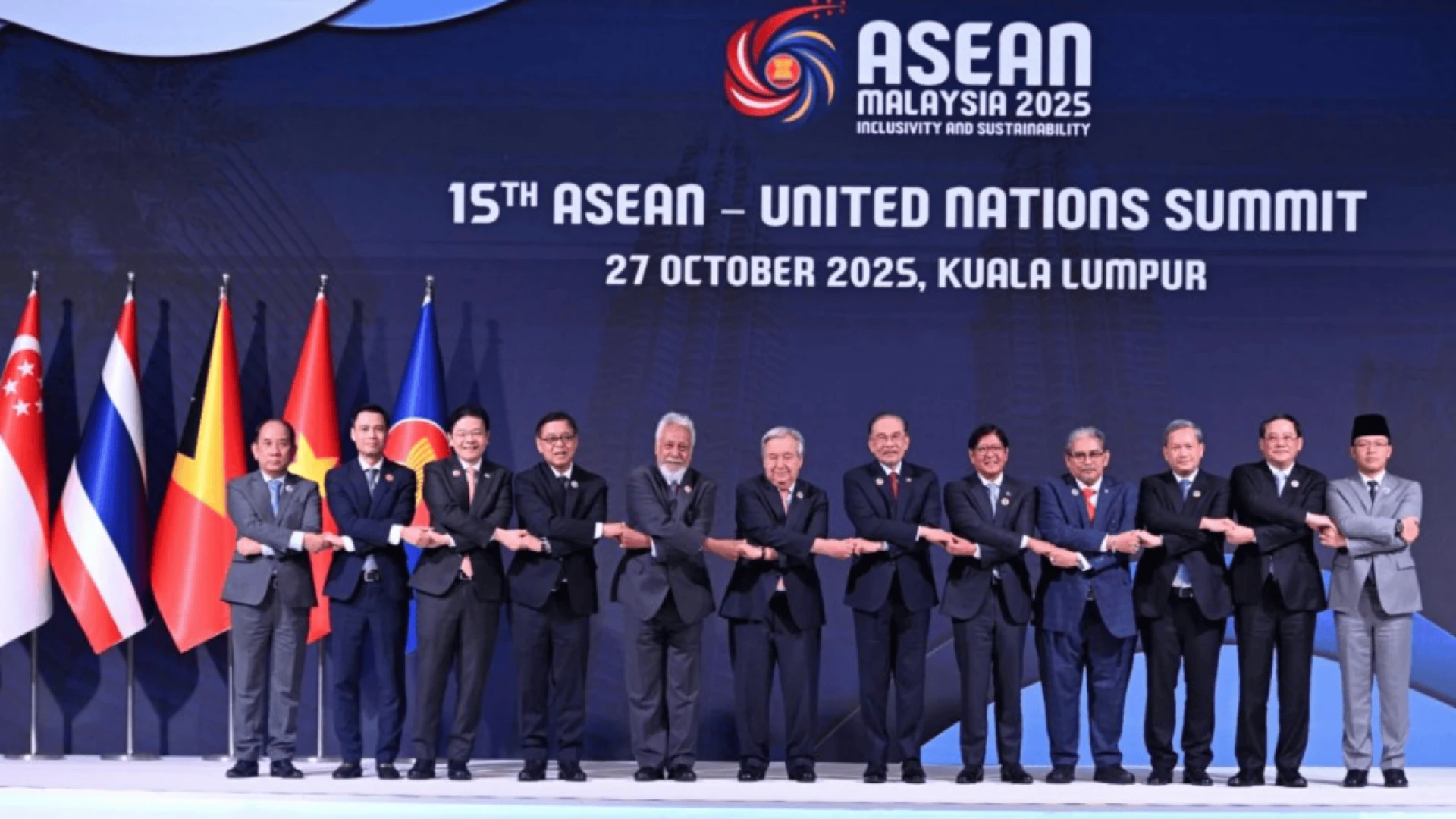

Southeast Asian countries are increasingly shaping global politics as strategic players in the Indo-Pacific region. Through ASEAN diplomacy, these nations act as mediators in international disputes, coordinate trade agreements, and influence global security policies. Their collective voice strengthens regional cooperation while balancing the interests of major powers like the US, China, and Russia.
Economic influence is another key factor. Southeast Asia controls vital trade routes, emerging markets, and critical supply chains, making the region indispensable to global commerce. Countries like Singapore, Indonesia, and Vietnam are leading initiatives on climate action, digital economy, and maritime security, showing that the region’s role goes beyond economics into geopolitical leadership.
Moreover, Southeast Asia’s growing diplomatic and economic leverage allows it to push for regional stability, mediate conflicts, and advocate for international norms. As these countries continue to assert their influence, the world is witnessing a shift where Southeast Asia becomes a decisive force in shaping global policies, economic trends, and security dynamics.



























Sign in to leave a comment.