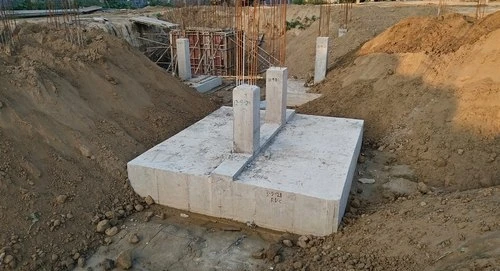

Every strong building starts with a strong foundation. If the foundation is weak, the entire structure can face serious problems in the future. One of the most common and trusted foundation types used in construction is the spread footing. Builders, engineers, and contractors rely on spread footings to safely support buildings and transfer their load to the soil.
In this detailed guide, you will learn what a spread footing is, how it works, its types, construction steps, advantages, limitations, and common uses. This blog uses simple English, active voice, and clear explanations so anyone can understand it easily.
What Is a Spread Footing?
A spread footing is a type of shallow foundation that spreads the weight of a building over a large area of soil. It supports columns, walls, or other structural elements by distributing their load evenly to the ground.
Instead of placing all the weight in one small point, spread footings increase the contact area with the soil. This method reduces pressure on the ground and helps prevent settlement and cracks.
Builders usually place spread footings near the surface of the ground. That is why they are called shallow foundations.
Why Spread Footings Are Important in Construction
Every structure applies a load to the soil beneath it. If the soil cannot handle this load, the building can sink, tilt, or crack. Spread footings solve this problem by spreading the load safely.
Spread footings are important because they:
- Improve building stability
- Reduce soil pressure
- Prevent uneven settlement
- Support walls and columns effectively
- Increase the life of the structure
Without proper spread footing design, even a small building can develop serious structural problems over time.
How a Spread Footing Works
A spread footing works by increasing the base area under a column or wall. When the base area increases, the pressure applied to the soil decreases.
For example, if a column applies a heavy load to a small area, the soil may fail. But when the same load spreads over a wider footing, the soil can safely support it.
This simple principle makes spread footings one of the most effective foundation solutions for low-rise buildings.
Types of Spread Footings
Engineers choose different types of spread footings based on load requirements, soil conditions, and site limitations.
Isolated Spread Footing
An isolated spread footing supports a single column. It is one of the most commonly used footing types.
- Shape: square, rectangular, or circular
- Use: residential and commercial buildings
- Advantage: simple design and low cost
Builders use isolated spread footings when columns are spaced far apart.
Continuous Spread Footing
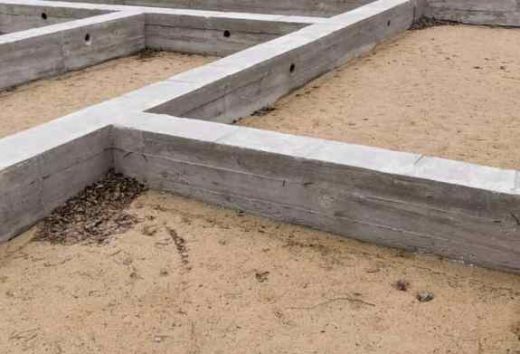
A continuous spread footing supports a load-bearing wall. It runs continuously along the length of the wall.
- Shape: long strip
- Use: houses, boundary walls, and small buildings
- Advantage: even load distribution
This type of footing works well for walls that carry loads over long distances.
Combined Spread Footing
A combined spread footing supports two or more columns using one footing.
- Use: when columns are close together
- Common situation: columns near property lines
- Advantage: balanced load distribution
Engineers use combined footings when isolated footings would overlap.
Strap Footing
A strap footing connects two isolated footings with a concrete beam called a strap.
- Use: when one column sits near a boundary
- Advantage: prevents uneven settlement
- Result: improved stability
Strap footings help balance loads between columns.
Materials Used in Spread Footings
Strong materials ensure long-lasting performance of spread footings.
Concrete
Concrete forms the main body of a spread footing. It provides compressive strength and durability.
Steel Reinforcement
Steel bars, also called rebar, improve tensile strength. They prevent cracking and increase load capacity.
Base Material
Contractors use sand or gravel below the footing. This layer improves drainage and provides a stable base.
High-quality materials always improve foundation performance.
Step-by-Step Construction Process of Spread Footing
The construction of a spread footing follows a clear and organized process.
Soil Investigation
Engineers test the soil to determine its bearing capacity. This step ensures the soil can support the building load safely.
Excavation
Workers excavate the ground to the required depth and size. Proper excavation keeps the footing level and aligned.
Base Preparation
Contractors add a compacted layer of sand or gravel. This layer improves drainage and prevents moisture damage.
Formwork Setup
Wood or metal formwork shapes the footing. The forms hold concrete in place during pouring.
Reinforcement Placement
Workers place steel bars inside the formwork according to the design. Reinforcement increases strength and controls cracking.
Concrete Pouring
Concrete is poured carefully into the formwork. Workers remove air pockets and level the surface.
Curing
The concrete cures for several days. Proper curing increases strength and durability.
Advantages of Spread Footings
Spread footings offer many benefits, which makes them popular in construction projects.
Cost-Effective
Spread footings require less excavation and material compared to deep foundations. This reduces overall project cost.
Easy to Construct
Builders can construct spread footings using simple tools and standard methods.
Strong Load Distribution
Spread footings distribute loads evenly, which protects soil from excessive pressure.
Suitable for Many Buildings
They work well for houses, small commercial buildings, and warehouses.
Low Maintenance
Once installed properly, spread footings need very little maintenance.
Limitations of Spread Footings
Despite many advantages, spread footings have some limitations.
- Not suitable for weak or soft soils
- Limited load capacity compared to deep foundations
- Not ideal for high-rise buildings
- Sensitive to frost action if not designed properly
Engineers must always analyze site conditions before selecting spread footings.
Soil Conditions Suitable for Spread Footings
Spread footings perform best in soils with good bearing capacity.
Suitable soils include:
- Dense sand
- Gravel
- Stiff clay
- Well-compacted soil
Poor soils like loose sand, organic soil, or expansive clay require special treatment or deep foundations.
Spread Footing vs Other Foundation Types
Understanding the difference helps in choosing the right foundation.
Spread Footing vs Mat Foundation
- Spread footing supports individual columns or walls
- Mat foundation supports the entire building area
- Spread footing costs less for small structures
Spread Footing vs Pile Foundation
- Spread footing is shallow
- Pile foundation is deep
- Spread footing works best in strong soil
Common Uses of Spread Footings
Spread footings are widely used in many construction projects.
- Residential houses
- Low-rise commercial buildings
- Schools and offices
- Warehouses
- Boundary walls
- Industrial sheds
Their simplicity and reliability make them a preferred choice.
Design Considerations for Spread Footings
Engineers consider several factors during design.
- Soil bearing capacity
- Structural load
- Footing size and thickness
- Reinforcement spacing
- Drainage conditions
- Frost depth
Good design ensures safety and long-term performance.
Role of Spread Footings in Modern Construction
Modern construction still depends heavily on spread footings. With better concrete quality and improved design methods, spread footings now offer even better performance.
Precast spread footings also save time and ensure consistent quality. Many contractors now prefer precast options for faster project completion.
Maintenance and Durability of Spread Footings
Spread footings require minimal maintenance. Proper drainage, correct design, and quality materials help them last for decades.
Regular inspection during construction ensures long-term durability.
Final Thoughts
A spread footing is one of the most reliable and cost-effective foundation solutions in construction. It spreads structural loads evenly, protects the soil, and improves building stability.
When soil conditions are favorable and loads are moderate, spread footings provide excellent performance with low cost and easy construction. Proper design, quality materials, and skilled workmanship ensure long-lasting results.























Sign in to leave a comment.