

In the USA, university and college admissions are conducted in three intakes: Fall, Spring, and Summer. The Fall intake is the primary intake, which occurs in August-September. Since this intake occurs at the beginning of the academic year, it has the maximum program availability. For those who miss this intake, the Spring intake brings a second chance.
The Spring intake is a secondary intake which occurs between January and February. This intake allows students to begin their academic journey without waiting an entire year for the Fall intake cycle. Since it occurs in the middle of the academic year, when most programs have commenced, the options for courses and universities are limited. However, it still has many advantages, such as smaller classrooms, intensive programs, and less competition, which you may not get in the Fall intake.
This article will unfold all aspects of the Spring intake in USA. But let us first start by dispelling the common myths.
Myths about Spring Intake in USA
Given the dominance of the Fall intake, many automatically assume that it has the highest enrolments, is better and offers more opportunities than other intakes. However, this is a common misconception. The Spring intake is also strong and sometimes may be even better, depending on your academic goals.
Here are all the myths and misconceptions about the Spring intake in USA, along with their facts to help you get a clear picture.
Myth 1: Spring Intake has a Lower Acceptance Rate Compared to Fall.
Fact: Acceptance rate is generally not determined by intake alone. Universities allocate separate quotas for each intake. Since Fall has a larger class size, it naturally has more admits. In contrast, Spring Intake has fewer admits, leading to fewer applications and a smaller class size.
Myth 2: Students Applying for the Spring Intake Get Fewer Scholarships or Assistantships.
Fact: Financial aid and assistantships have nothing to do with the intake since they are awarded based on your overall profile, skills, eligibility, and university policies. So, this makes students applying in the Spring intake equally eligible for funding.
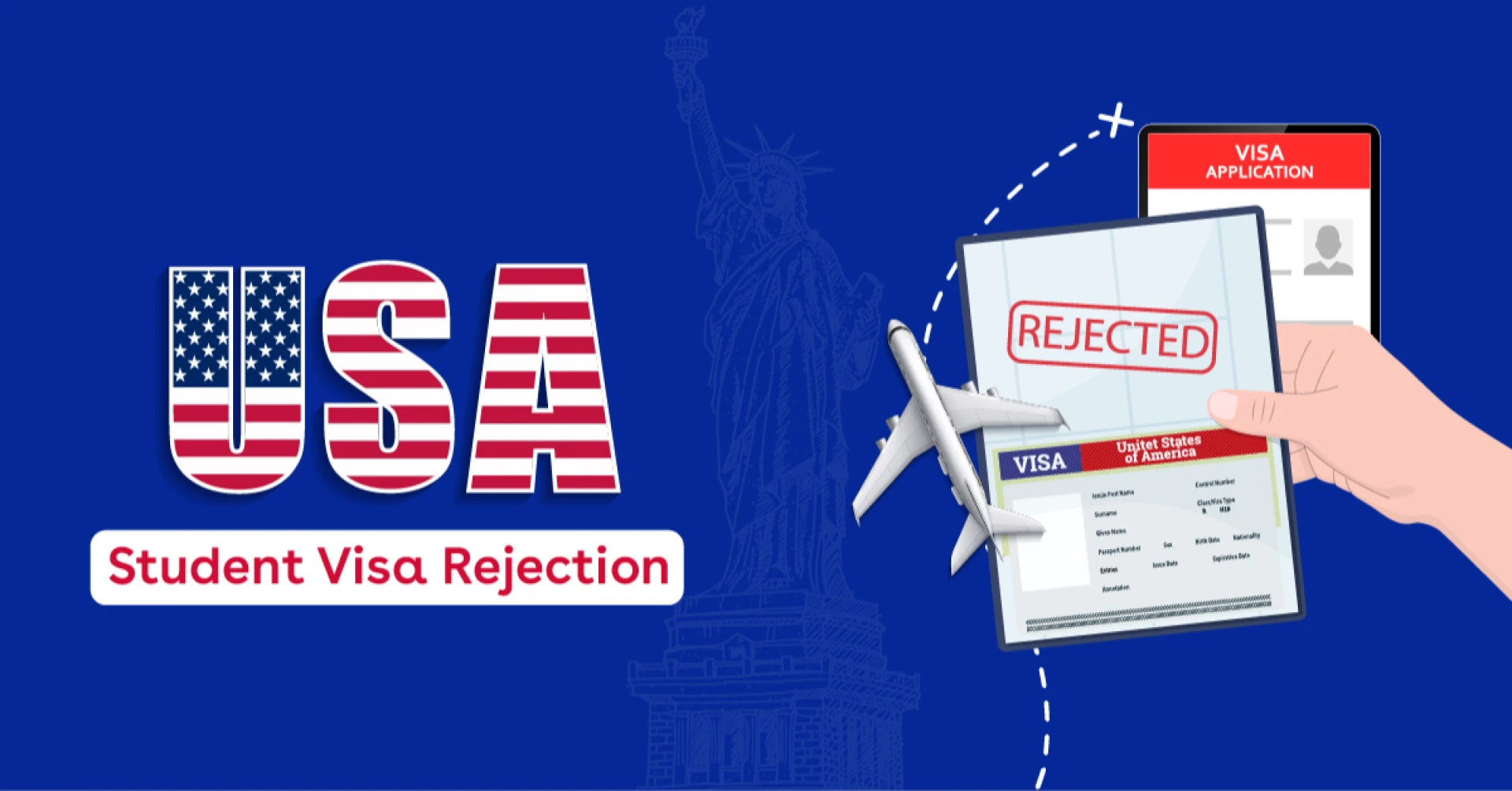
Myth 3: Visa Approval Depends on Intake.
Fact: Many believe that it is harder to get a student visa for the Spring intake. However, visa approval depends solely on your academic profile, the university you attend, and your financial capability.
Myth 4: Students Starting in Spring Miss Out on Internship Opportunities.
Fact: Internship eligibility, or say Curricular Practical Training (CPT), usually requires completion of two semesters (9 months) on campus. Therefore, students who enroll in Spring may not be eligible for the immediate Summer Internships, but they can intern in the following Fall cycle. This means Internships are slightly delayed, not denied. Instead of Summer internships, students can take coursework and apply for RA/TA positions.
Hopefully, after debunking all the myths, you will be more confident about pursuing higher education in USA. However, if you are still a little skeptical about the Spring intakes, the next section will take you through all its benefits to add to the certainty.
Advantages of Spring Intake in USA
You may be surprised to know that, although the Fall intake is the main admission cycle, many students still strategize to go for the Spring intake to avail of the many benefits that may be missing in the main intake cycle. Why? You may ask. Well, to answer that question, we have listed the unique advantages of the Spring Intake in USA below.
- Less Competition: Since fewer students enroll for the Spring Intake, you will get less competition as compared to the Fall intake.
- Get Your Desired University: With less competition, your chance to get accepted into some of the best colleges and universities increases.
- Smaller Classes: Spring batches are typically smaller, which gives a better student-faculty ratio and provides more personalized interactions for better learning.
- Flexible Preparation Time: During the gap between the Fall and Spring semesters, you get more preparation time to research and explore more options.
- Strategic Internships: You can align your academic breaks with internships and complete the degree with better hiring cycles.
- Affordable Accommodation Options: In some cases, you can get ample affordable housing options open during the Spring season as compared to the busy Fall season.
Sounds promising, doesn’t it? After understanding why you should choose the Spring intake, it is imperative to know which universities offer it.
Universities Offering Spring Intake in USA
Several reputed universities and institutions in the USA offer courses during Spring intakes for international students. Below is the list of all the universities you should consider before shortlisting:
- University of Pennsylvania
- Johns Hopkins University
- University of Michigan
- Purdue University
- University of South Florida
- New Jersey Institute of Technology
- University of Florida
- University of Texas at Dallas
- University of Illinois Chicago
- University of Cincinnati
- George Mason University
- San Diego State University
- University of Connecticut
- University of Maryland
- University of Arizona
The application deadlines for some of these universities are usually between September and November of the previous year. At the same time, some universities may have deadlines as late as October-December, depending on the program. Depending on which application cycle suits you the best, you can research and shortlist universities accordingly.
Ultimately, the best way to take advantage of Spring intake in USA comes down to understanding program structure and planning accordingly. If it all seems daunting to do on your own, then leave the hard work to the top education consultants in India. They will help you shortlist the right universities, strengthen your application, and plan your timeline strategically to turn the delayed start into a decisive advantage.



























Sign in to leave a comment.