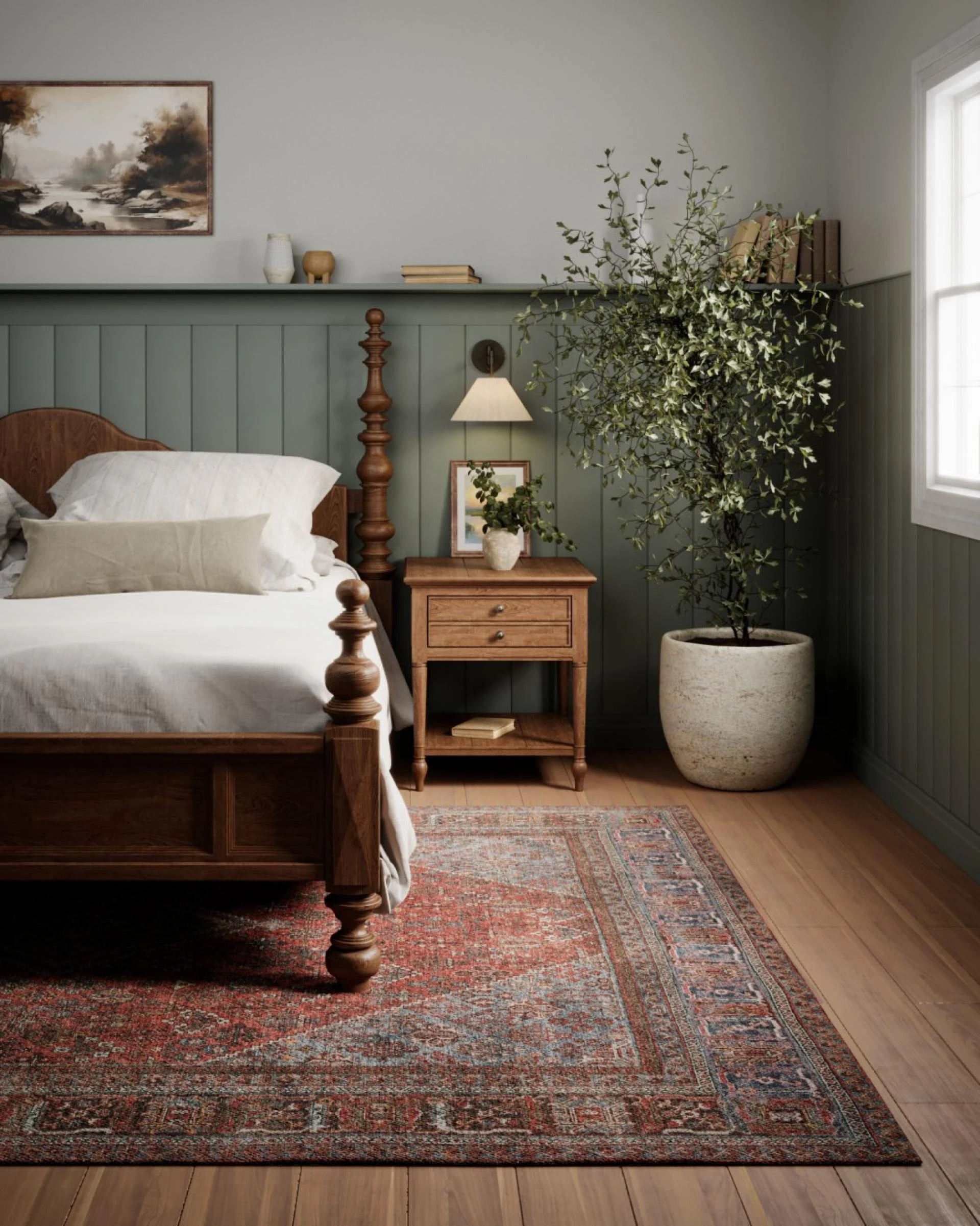

Choosing a rug isn't just a practical decision—it’s a design statement. But how do you know if you're choosing the right size? And what if your room doesn’t fit the standard mold?
While interior designers swear by the standard sizes of area rugs, there are smart ways to bend the rules to match your style, layout, and space. In this guide, we’ll cover the most common rug sizes, when to follow the rules, and—more importantly—when to break them.
Let’s help you transform your space from “okay” to expertly styled.
The Most Common Standard Sizes of Area Rugs
Rugs typically come in industry-standard sizes that make shopping and designing easier. These fit most furniture layouts and room dimensions.
Popular Area Rug Sizes
- 2’ x 3’ – Perfect for entryways, kitchens, and small bedside spots
- 3’ x 5’ – Compact and cozy for reading nooks or foyers
- 4’ x 6’ – Great under small dining tables or in front of sofas
- 5’ x 8’ – Versatile for medium rooms or under coffee tables
- 6’ x 9’ – Common for living rooms or under queen beds
- 8’ x 10’ – Ideal for open living spaces and large bedrooms
- 9’ x 12’ – Covers large spaces or anchors furniture layouts
- 10’ x 14’ – Oversized luxury for expansive rooms or layered looks
Specialty Shapes:
- Round Rugs: 5’, 6’, 8’, 10’ diameters
- Runner Rugs: 2’ x 8’, 3’ x 10’, 3’ x 14’
Area Rug Measurements 101: Why Standard Sizing Exists
Standard rug sizes are based on common furniture footprints and average room dimensions. They ensure:
- Balanced proportions
- Clean visual lines
- Compatibility with most furniture groupings
For example:
- A 6’ x 9’ rug fits under a queen-size bed.
- An 8’ x 10’ rug is perfect for living rooms with a sofa and two chairs.
- A 3’ x 5’ rug works well in entryways or layered under a desk.
But even though these area rug measurements offer safe choices, sometimes your room needs more flexibility.
When to Break the Rug Size Rules
Design is not one-size-fits-all. If you’ve ever felt like none of the standard rug sizes work in your room—you’re not alone.
Here are expert-approved reasons to go off the script:
1. You’re Designing an Open Concept Space
Open floor plans demand zoning. Use different rug sizes to visually separate a dining area from a living area.
Break the Rule: Use two smaller rugs (like 5’ x 8’ and 6’ x 9’) instead of one oversized rug.
2. Your Furniture Is Custom or Oversized
Large sectional sofas or wide platform beds can make standard rugs look out of place.
Break the Rule: Try 10’ x 14’ or custom-sized rugs to match oversized furniture layouts.
3. You Want to Layer Rugs
Layering adds depth, texture, and a curated designer touch.
Break the Rule: Use a large neutral flatweave (8’ x 10’) as a base and add a vintage or patterned 5’ x 8’ on top for visual interest.
4. You’re Working with Irregular Rooms
Not all rooms are rectangles. Rounded, angled, or narrow rooms may need non-standard dimensions.
Break the Rule: Use round rugs, custom-cut carpets, or multiple runners to fit uniquely shaped rooms.
5. You Want a More Minimalist or Airy Feel
Sometimes, less is more. If your space is already busy with furniture or artwork, a smaller rug may be better.
Break the Rule: Use a 3’ x 5’ rug to accent a corner or highlight a chair instead of covering the whole room.
Expert Layout Tips for Common Rooms
Living Room
Standard Sizes: 6’ x 9’, 8’ x 10’, 9’ x 12’
Break It If: You have modular furniture—use smaller rugs under each section or float a bold rug under just a coffee table.
Bedroom
Standard Sizes: 6’ x 9’ (Queen), 9’ x 12’ (King)
Break It If: You want a boutique hotel vibe—place two runners on each side of the bed instead of one large rug.
Dining Room
Standard Sizes: 6’ x 9’, 8’ x 10’
Break It If: Your table is round—use a round rug to match the shape and soften the space.
Kitchen
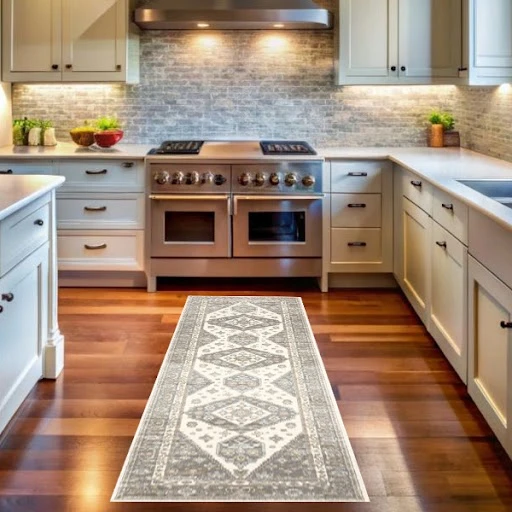
Standard Sizes: 2’ x 3’, 3’ x 5’, or 2’ x 8’ runners
Break It If: You want to highlight zones—use multiple small rugs near sink, oven, and prep areas.
Pricing Tip: Custom vs Standard Rug Sizes
Custom or non-standard rug sizes typically cost more because of labor, materials, and non-bulk production.
Formula Insight:
Retail Price = (Style Rate) × (Sq. Ft.) ± Design Popularity
So, while standard rug sizes are cost-effective, breaking the rules gives you more control over style and layout—especially when you want a space that doesn’t feel cookie-cutter.
Don’t Forget Rug Pads (Size Matters Here Too)
Use a rug pad that is 1 inch shorter on all sides than your rug.
Recommendations:
- Small Rugs: Rubber grip pads to prevent slipping
- Medium Rugs: Hybrid (felt + rubber) for both grip and cushion
- Large Rugs: Full felt pads to protect floors and add softness
Final Thoughts: Master the Rules—Then Break Them Like a Pro
The standard sizes of area rugs serve as a great starting point—but they aren’t the final word. Once you understand how area rug measurements align with room function and furniture layout, you can make informed decisions and break the rules with purpose.
Whether you're working with a small studio, a sprawling loft, or a quirky nook—there’s a rug (and size strategy) that fits.
Need a Custom or Unique Rug Size?
RugKnots offers a wide selection of standard and bespoke sizes, with handcrafted quality and curated style. Find the piece that turns your room into a masterpiece.
FAQs
Q: What are the most common standard sizes of area rugs?
A: The most popular rug sizes include 2’ x 3’, 3’ x 5’, 5’ x 8’, 6’ x 9’, 8’ x 10’, and 9’ x 12’. These sizes typically fit most furniture and room layouts.
Q: What rug size for a 10x10 room works best?
A: For a 10x10 room, a 5’ x 8’ or 6’ x 9’ rug would typically work well. For larger spaces, you might opt for a 9’ x 12’ rug.
Q: Can I break the rules with area rug measurements?
A: Absolutely! Depending on your space, furniture, and style, consider going for larger or custom-sized rugs, layering, or using non-standard shapes like round or runner rugs. Breaking the rules can enhance the overall design.
Q: How do I choose the right different rug sizes for open spaces?
A: In open-concept spaces, consider using multiple smaller rugs, like 5’ x 8’ or 6’ x 9’, to define different zones, rather than relying on one oversized rug.






















Sign in to leave a comment.