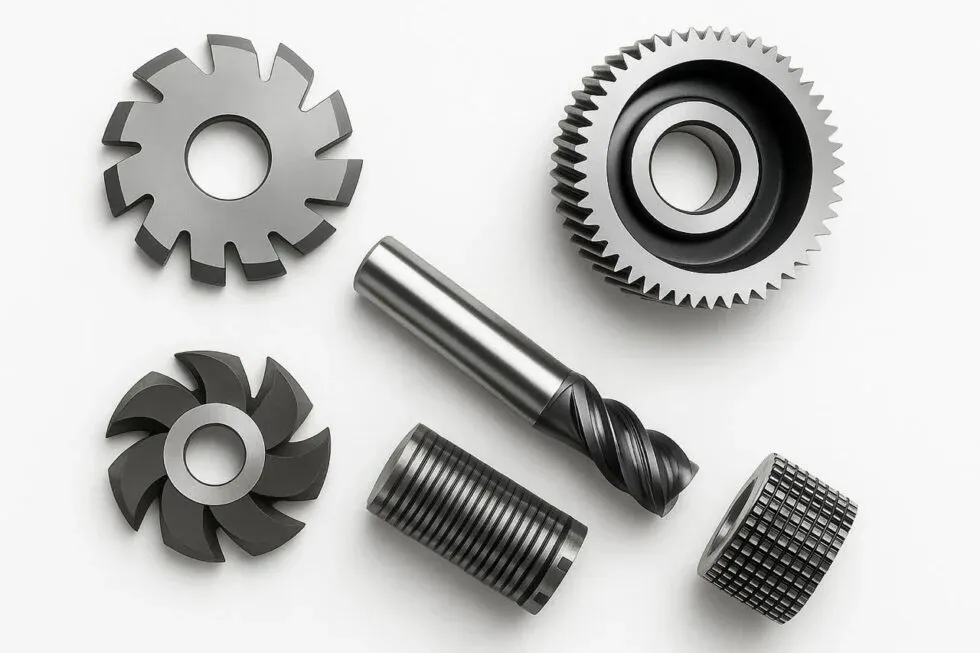

In modern gear manufacturing, consistency and efficiency are two of the biggest challenges faced by production engineers. As industries demand higher-quality gears with shorter production cycles, standardizing gear cutters has become an important practice for maintaining accuracy, reducing costs, and improving overall machining performance.
Gear cutters are precision tools that directly influence gear tooth profile, surface finish, tool life, and production reliability. Without proper standardization, manufacturing facilities may experience inconsistent results, increased setup time, and higher tooling expenses.
Production engineers focus on creating repeatable machining processes, and selecting standardized gear cutters helps them achieve stable and predictable production outcomes.
What Does Standardizing Gear Cutters Mean?
Standardizing gear cutters means establishing specific guidelines for selecting, using, and managing cutting tools across manufacturing operations. These standards may include tool dimensions, materials, coatings, cutting parameters, and application methods.
Instead of using different tools for similar applications, engineers develop a controlled tooling system that simplifies production planning and improves process efficiency.
A standardized gear cutter system helps manufacturers maintain:
- Consistent gear quality
- Reduced machining variations
- Faster tool selection
- Lower inventory requirements
- Improved production control
Improving Gear Quality and Accuracy
Gear components require extremely high precision because even small errors can lead to noise, vibration, and premature failure during operation.
Standardized gear cutters allow production teams to maintain consistent cutting conditions across multiple machines and production batches. When the same tool specifications and machining parameters are followed, engineers can achieve repeatable gear profiles and better dimensional accuracy.
This is especially important in industries such as automotive, aerospace, power transmission, and industrial machinery, where gear reliability is critical.
Reducing Production Costs
One of the major reasons engineers standardize gear cutters is cost control. Using multiple types of cutting tools for similar applications increases inventory expenses and complicates tool management.
A standardized approach helps companies:
- Reduce unnecessary tool purchases
- Simplify inventory management
- Minimize machine setup time
- Improve tool utilization
- Lower production waste
Over time, these improvements can create significant savings while maintaining product quality.
Increasing Tool Life and Performance
Tool selection plays an important role in machining efficiency. Using the correct gear cutter specification for a particular application helps reduce excessive cutting forces and premature wear.
Production engineers evaluate factors such as:
- Workpiece material
- Gear design
- Cutting speed
- Feed rate
- Machine capability
- Required surface finish
By standardizing these factors, manufacturers can maximize tool performance and avoid inconsistent machining results.
Simplifying Operator Training
A standardized tooling system makes it easier to train machine operators and maintenance teams.
When employees work with a consistent range of gear cutters, they become more familiar with:
- Tool handling procedures
- Cutting parameters
- Inspection requirements
- Replacement schedules
This reduces human errors and helps maintain stable production quality even when different operators manage the same process.
Supporting Automation and CNC Manufacturing
Modern CNC gear manufacturing relies heavily on process control and repeatability. Standardized gear cutters support automation by ensuring that machines operate with predefined tooling specifications.
Production engineers can create reliable machining programs when tool dimensions and performance characteristics remain consistent. This improves productivity and reduces the time required for machine setup and process adjustments.
Choosing the Right Manufacturing Partner
The quality of standardized gear cutters depends greatly on the expertise of the tooling supplier. A reliable supplier understands the importance of precision manufacturing, material selection, heat treatment, and quality inspection.
Working with an experienced gear cutter manufacturer helps companies develop a consistent tooling strategy that meets their production requirements.
A professional manufacturer can provide customized solutions, technical guidance, and cutting tools designed for specific gear applications.
The Role of Data in Tool Standardization
Modern manufacturing facilities increasingly use machining data to improve tooling decisions. Engineers analyze tool life, cutting performance, maintenance records, and production efficiency to identify the best-performing gear cutters.
This data-driven approach helps companies continuously improve their processes and select tools that deliver maximum value.
Final Thoughts
Standardizing gear cutters is an essential practice for production engineers who want to achieve consistent quality, reduce manufacturing costs, and improve operational efficiency. By controlling tool specifications, machining parameters, and supplier selection, manufacturers can create a more reliable gear production process.
A well-planned standardization strategy helps companies reduce downtime, improve productivity, and maintain high-quality gear output. Partnering with an experienced gear cutter manufacturer ensures access to precision tools that support modern manufacturing demands.























Sign in to leave a comment.