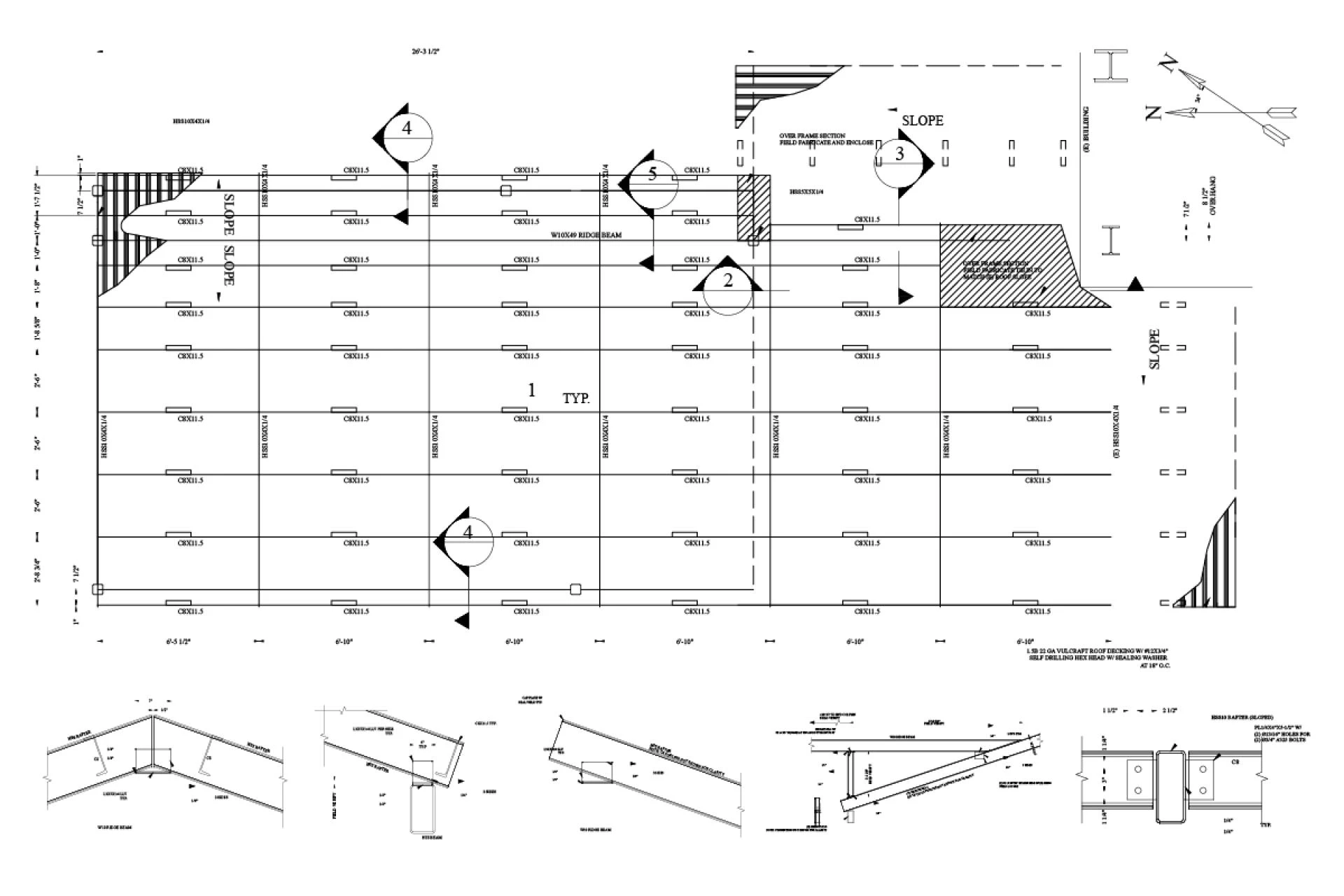

Steel detailing is a crucial construction step that converts engineering and architectural designs into detailed instructions for fabricating and assembling steel structures. This precise process ensures every steel component is accurately made and installed, resulting in safe, strong, and durable buildings.
What is Steel Detailing?
Steel detailing creates precise drawings and 3D models with exact measurements and connection details. These guide fabricators in cutting, welding, and assembling steel components accurately.
Key Steps in the Steel Detailing Process:
a. Receiving Design Drawings-
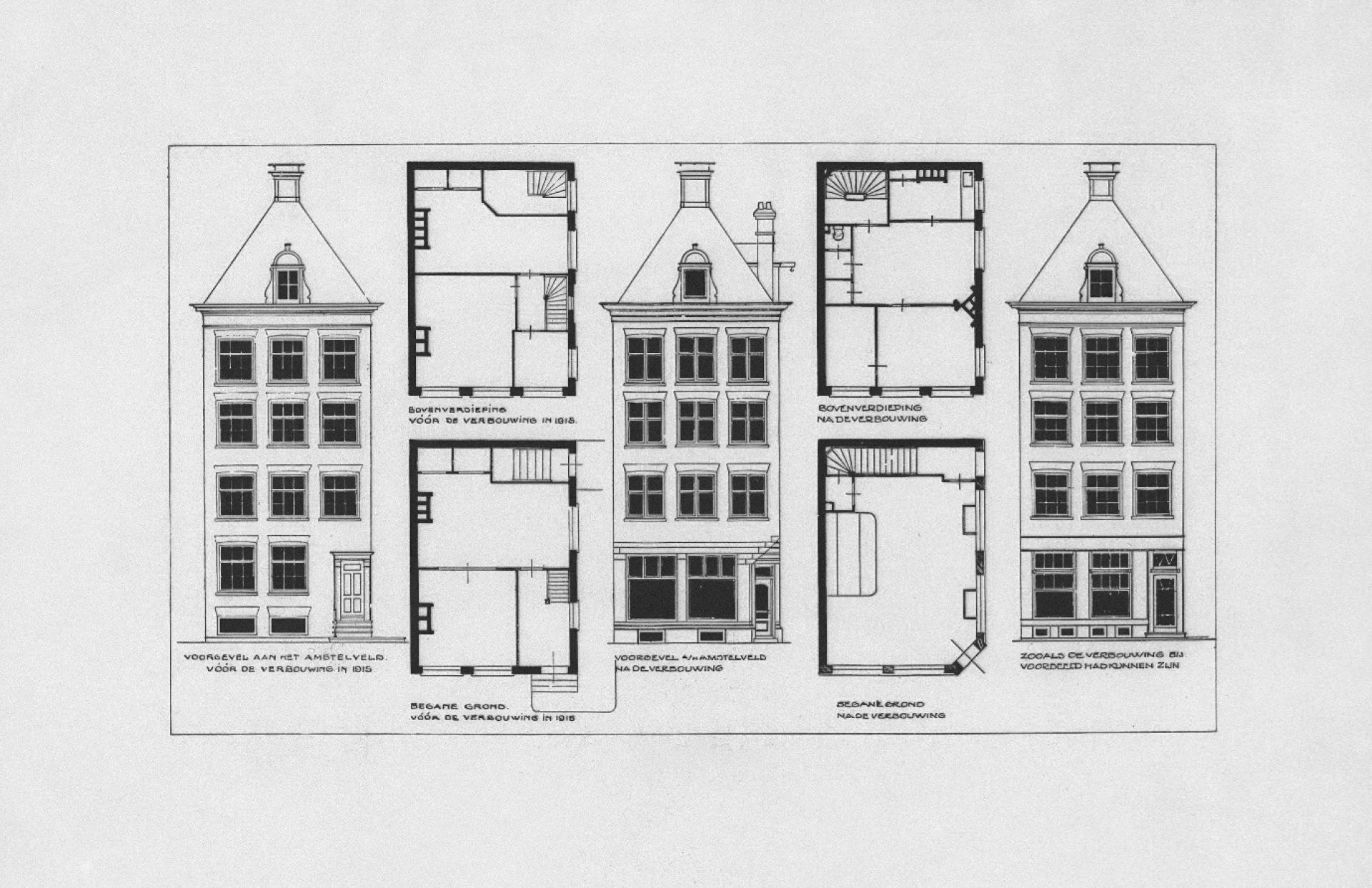
The process begins with structural drawings from engineers and architects. These form the basis for the detailer to understand the project requirements and prepare precise plans.
b. Creating Detailed Models and Drawings -
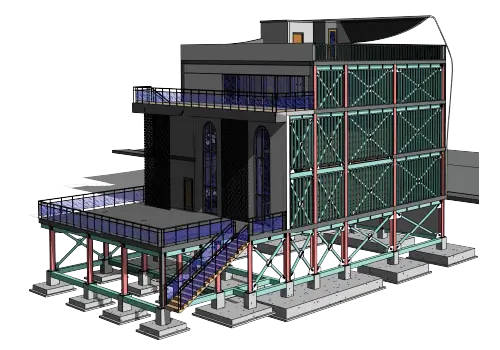
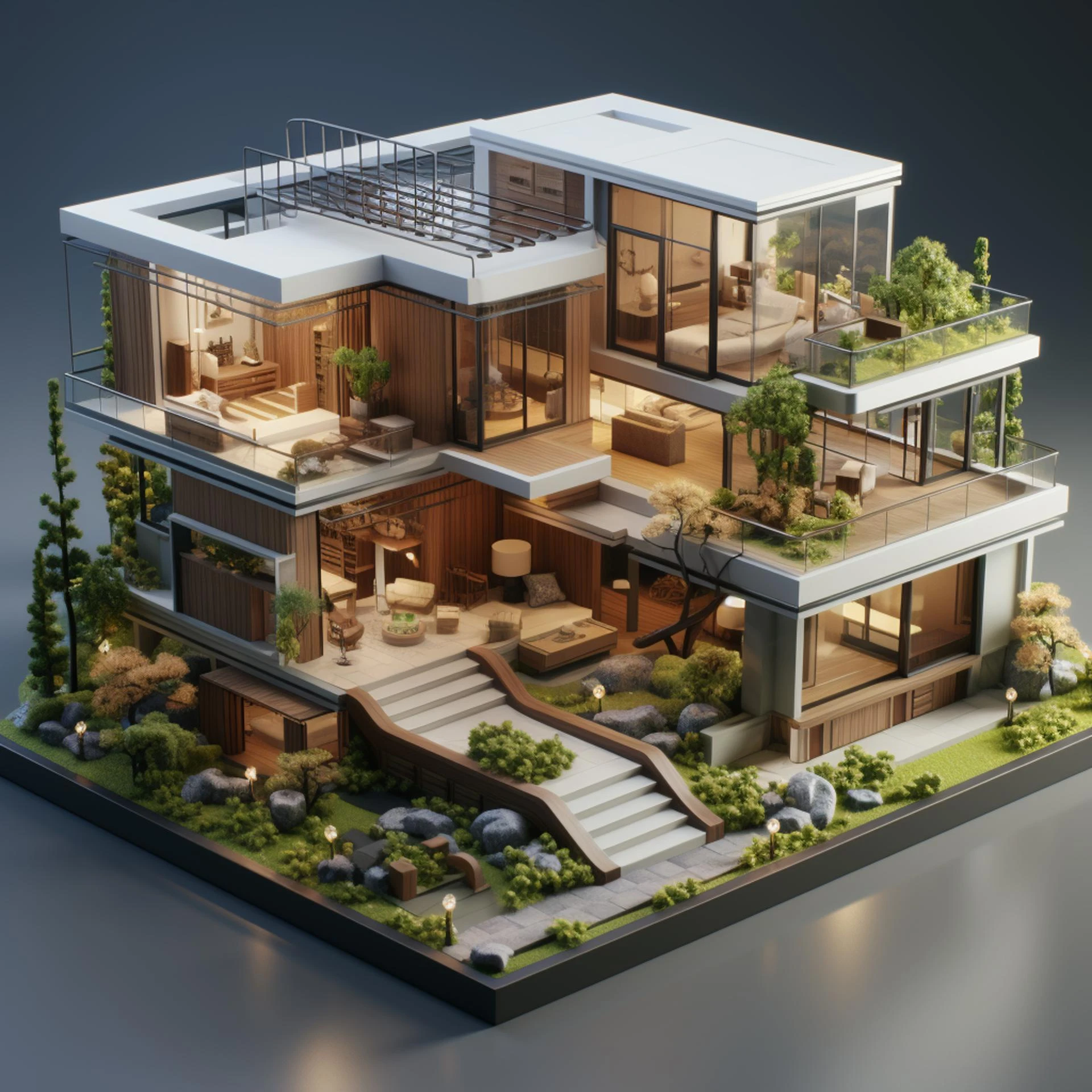
Using advanced CAD and BIM software, detailers develop detailed 2D and 3D drawings of steel members, connections, joints, and assemblies. Accurate modeling helps detect clashes and ensures everything fits perfectly.
c. Shop Drawings Preparation -
Shop drawings contain all fabrication details, including dimensions, material types, welding spots, bolt holes, and surface treatments. These are vital instructions for manufacturing steel components.
d. Bill of Materials (BOM) -
Detailers produce a comprehensive list of all steel parts required for fabrication, helping order the right quantities and minimize material wastage.
e. Erection Drawings -
These guide construction teams on-site for the correct placement and installation of steel components, ensuring the structure is assembled safely and accurately.
f. Coordination and Revisions –
Steel detailers collaborate closely with architects, engineers, and fabricators, updating drawings and models as needed to reflect design changes and ensure accuracy throughout the project.
Why Steel Detailing is Crucial:
• Precision: Proper detailing minimizes fabrication and erection errors that could cause delays and increase costs.
• Smooth Fabrication: Detailed drawings streamline fabrication, reducing wastage and rework.
• Safety Assurance: Correct detailing ensures steel structures meet safety and building standards.
• Efficiency: Early identification and resolution of clashes save time and money during construction.
• Collaboration: It improves communication among project teams, providing a unified understanding.
• Quality Control: Detailed plans help deliver high-quality, structurally sound buildings.
Modern Tools in Steel Detailing:
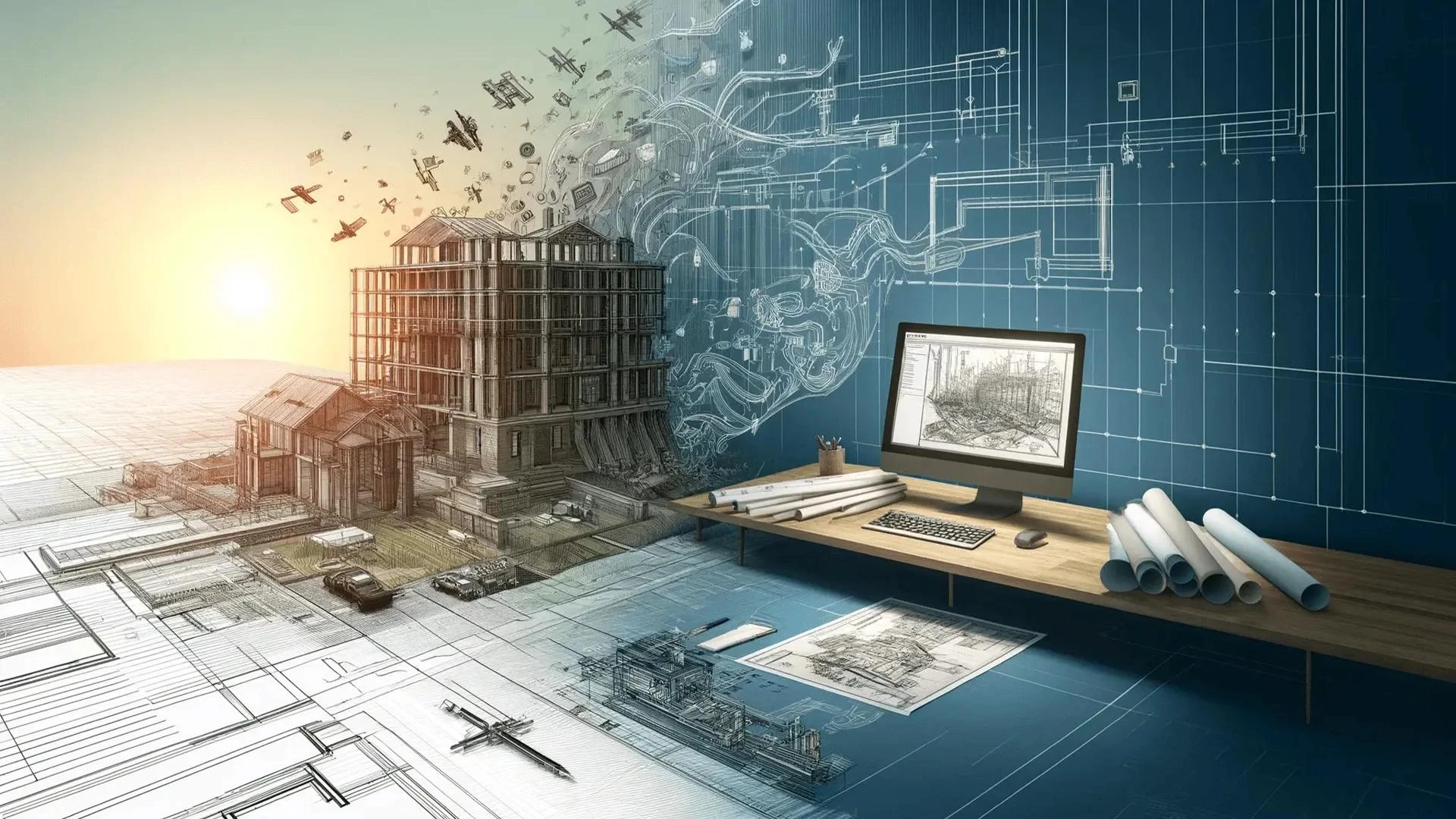
Modern tools like AutoCAD, Tekla, and Revit enhance 3D modeling, clash detection, and BIM integration. Steel detailing converts designs into precise plans, boosting quality, safety, and efficiency.
























Sign in to leave a comment.