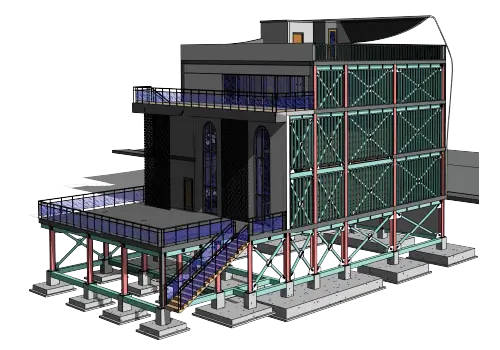

Structural design is no longer just about making buildings stand tall it’s about creating safe, sustainable, and aesthetically pleasing spaces that meet the needs of modern life. Innovations in this field are shaping how architects, engineers, and builders work together to bring exciting yet responsible structures to life. Here’s a detailed look at how safety, sustainability, and style are being balanced through new approaches in structural design, explained in simple, human terms:
1. Prioritizing Safety with Advanced Engineering Techniques
At the core of any structure is safety. Innovations in structural design start by ensuring buildings can handle stresses from everyday loads like furniture and people, to extreme forces such as earthquakes, winds, or floods. New materials like high-performance concrete and steel alloys offer greater strength and flexibility. Engineers use computer simulations and 3D modeling to predict how structures behave in different scenarios, allowing them to design safety features more precisely. This means buildings are not just strong they’re smartly engineered to protect lives under various conditions.
2. Embracing Sustainability for a Greener Future
Sustainability is now a must have in construction. Structural designers are choosing eco-friendly materials that reduce carbon footprints, such as recycled steel or timber from responsibly managed forests. They focus on creating designs that use less material without compromising strength, cutting waste and preserving natural resources. Incorporating energy-efficient systems into structural frameworks like integrated solar panels or natural ventilation pathways also helps reduce buildings’ environmental impact. These practices ensure buildings are better for the planet and cheaper to operate in the long run.
3. Merging Style with Functionality through Creative Design
Today’s structures are judged by more than stability they need to inspire and invite. Innovations in structural design make it possible to realize bold architectural visions without sacrificing safety or sustainability. Engineers collaborate closely with architects to explore unique shapes, open spaces, and innovative materials that add character and style. For instance, using lightweight yet strong composites allows for sweeping curves or cantilevered sections that were once impossible. This synergy between art and science results in buildings that are both functional and beautiful.
4. Leveraging Digital Tools for Precision and Collaboration
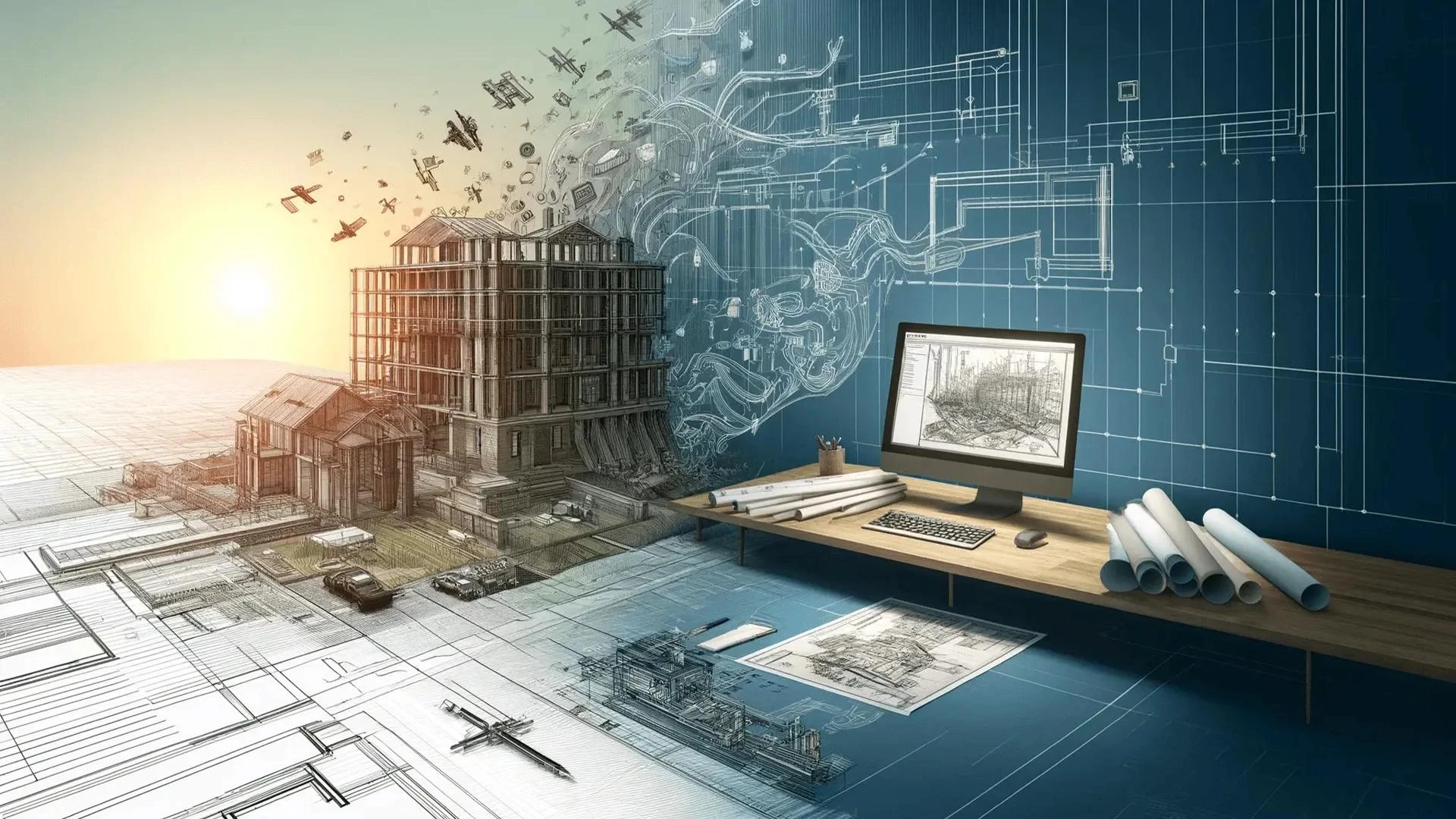
Cutting-edge software tools are key to balancing these demands. Building Information Modeling (BIM) and digital twins allow everyone from designers to builders to visualize the structure before construction begins. This helps spot potential safety issues, environmental impacts, or design clashes early, saving time and money. These tools promote collaboration, ensuring all parties have real time information and can tweak designs for optimal safety, eco-friendliness, and style.
5. Designing for Adaptability and Future-Proofing
Innovative structures now consider how buildings will age and adapt to future needs. Flexible design elements allow spaces to be repurposed easily, extending a building’s lifespan and reducing demolition waste. Structural components are designed for durability as well as maintaining performance with low maintenance. This forward thinking approach means buildings remain safe, sustainable, and relevant through changing uses and technologies.
6. Applying Lessons from Nature Biomimicry in Structural Design
Nature-inspired designs are gaining ground for their efficiency and elegance. Biomimicry studies how natural forms like trees, bones, or shells manage loads and stresses, then applies those principles to man-made structures. This leads to innovative frameworks that use less material while maintaining strength, offering a perfect balance of form and function. Such designs often have organic shapes that provide aesthetic appeal and practical benefits like natural ventilation or light diffusion.


























Sign in to leave a comment.