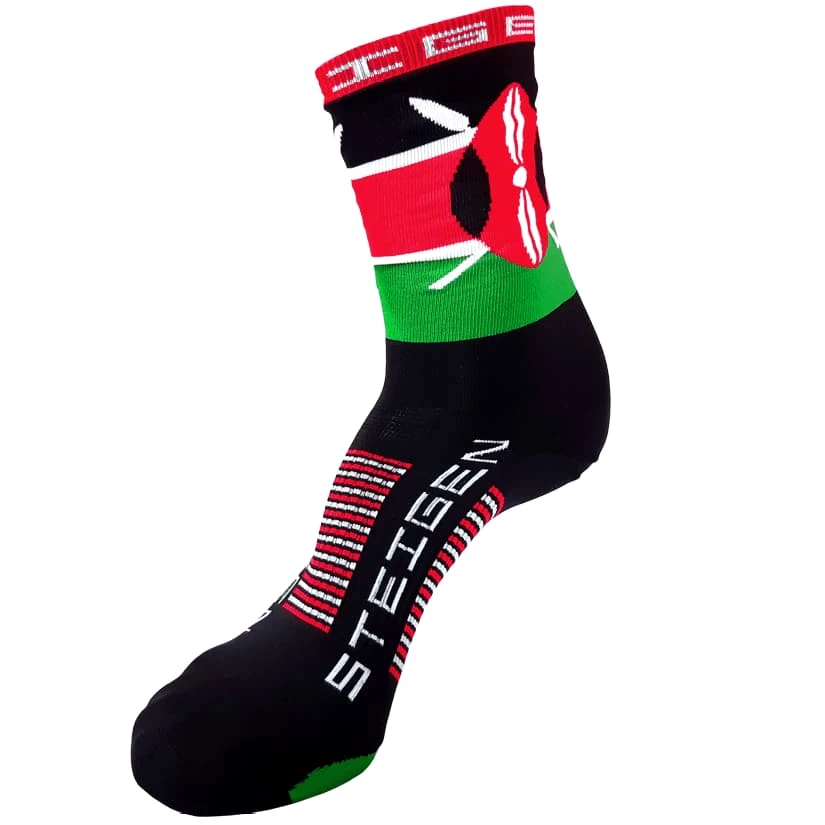

Choosing the right socks is often overlooked, yet it plays a crucial role in a runner’s overall performance and comfort. While many individuals continue to rely on everyday socks for physical activity, there is a growing awareness of performance-focused options such as steigen running socks. These specialized socks are designed to meet the unique demands of runners, offering features that go beyond basic foot coverage.
This article explores the key differences between steigen running socks and regular socks, highlighting how each type impacts comfort, performance, durability, and foot health. By understanding these differences, runners can make informed decisions that enhance their training and overall experience.
Understanding Running Socks
What Are Running Socks
Running socks are engineered specifically for physical activity. They are designed to provide support, reduce friction, manage moisture, and improve overall comfort during runs. Unlike everyday socks, they often incorporate advanced materials and construction techniques tailored for athletic performance.
What Are Regular Socks
Regular socks are typically made for daily wear. They prioritize basic comfort and warmth but lack the specialized features needed for intense physical activity. Most are made from cotton or simple blends that do not perform well under the demands of running.
Material Differences
Fabric Composition
Steigen running socks are usually made from synthetic fibers such as nylon or polyester blends. These materials are chosen for their lightweight feel and moisture management capabilities. They allow sweat to evaporate quickly, keeping the feet dry.
Regular socks, on the other hand, are often made from cotton. While cotton feels soft, it tends to absorb moisture rather than wick it away, leading to damp and uncomfortable conditions during a run.
Breathability
Breathability is essential for maintaining foot comfort. Running socks are designed with ventilation zones that allow air to circulate. This helps regulate temperature and reduces the risk of overheating.
Regular socks typically lack these features, making them less suitable for prolonged physical activity.
Comfort and Fit
Anatomical Design
Steigen running socks are often shaped to match the contours of the foot. This anatomical design ensures a snug fit that reduces bunching and slipping inside the shoe.
Regular socks usually follow a generic shape, which can lead to poor fit and discomfort during movement.
Cushioning and Support
Running socks provide targeted cushioning in high impact areas such as the heel and forefoot. This helps absorb shock and reduces strain on the feet.
Regular socks may offer minimal cushioning, which is not sufficient for the repetitive impact of running.
Moisture Management
Sweat Control
One of the standout features of steigen running socks is their ability to manage sweat effectively. The materials used pull moisture away from the skin and allow it to evaporate quickly.
Regular socks absorb sweat and retain it, which can lead to discomfort and increased friction.
Odor Prevention
Running socks often include antimicrobial properties that help prevent odor buildup. This is especially beneficial for runners who train frequently.
Regular socks do not typically include such features, making them more prone to developing unpleasant odors over time.
Blister Prevention
Friction Reduction
Blisters are a common issue for runners. Steigen running socks are designed to minimize friction through seamless construction and smooth fabrics. This reduces the likelihood of skin irritation.
Regular socks, especially those with seams or rough textures, can increase friction and contribute to blister formation.
Secure Fit
A secure fit is essential for preventing movement inside the shoe. Running socks stay in place during activity, reducing rubbing and hotspots.
Regular socks may shift during movement, leading to discomfort and potential injuries.
Durability and LongevityWear and Tear Resistance
Steigen running socks are built to withstand the demands of repeated use. Reinforced areas in high stress zones increase their durability.
Regular socks tend to wear out more quickly when used for running, especially in areas like the heel and toe.
Cost Effectiveness
While running socks may have a higher upfront cost, their durability often makes them more cost effective in the long run.
Regular socks may need to be replaced more frequently, leading to higher cumulative costs.
Performance Impact
Enhanced Running Experience
The right socks can significantly improve a runner’s experience. Steigen running socks provide comfort, stability, and support, allowing runners to focus on their performance.
Regular socks can become a distraction due to discomfort, moisture, and poor fit.
Injury Prevention
Proper footwear includes not only shoes but also socks. Running socks help reduce the risk of blisters, calluses, and other foot related issues.
Regular socks do not offer the same level of protection, increasing the likelihood of discomfort and injury.
Temperature Regulation
Warm Weather Performance
Running socks are designed to keep feet cool in warm conditions. Their lightweight and breathable construction helps regulate temperature effectively.
Regular socks can trap heat, leading to sweaty and uncomfortable feet.
Cold Weather Considerations
Some running socks are designed for colder conditions, offering insulation while still maintaining moisture control.
Regular socks may provide warmth but often fail to manage moisture, which can lead to cold and damp feet.
Style and Versatility
Design Options
Running socks come in a variety of styles, including ankle, crew, and no show designs. They are often available in vibrant colors and patterns that appeal to athletes.
Regular socks also offer a wide range of styles, but they are typically designed with everyday wear in mind rather than performance.
Versatility
While running socks are ideal for athletic activities, they can also be used for other forms of exercise. Regular socks are more versatile for casual wear but fall short in performance settings.
Environmental and Hygiene Factors
Hygiene Benefits
Running socks are designed to maintain hygiene during intense activity. Their moisture wicking and antimicrobial properties help keep feet clean and dry.
Regular socks may contribute to bacterial growth due to retained moisture.
Environmental Impact
Some running socks are made with sustainable materials and production processes. This appeals to environmentally conscious consumers.
Regular socks vary widely in their environmental impact depending on the materials used.
Conclusion
The comparison between steigen running socks and regular socks clearly highlights the importance of choosing the right gear for running. While regular socks may suffice for everyday activities, they lack the specialized features needed for optimal performance and comfort during physical activity.
Steigen running socks stand out for their advanced materials, superior fit, moisture management, and durability. These features not only enhance comfort but also contribute to better performance and reduced risk of injury.
For runners seeking to improve their experience and protect their feet, investing in high quality running socks is a practical and worthwhile decision. For those looking to explore reliable options and enhance their running gear, Pure Running offers a range of solutions tailored to meet the needs of both beginners and experienced athletes.





















Sign in to leave a comment.