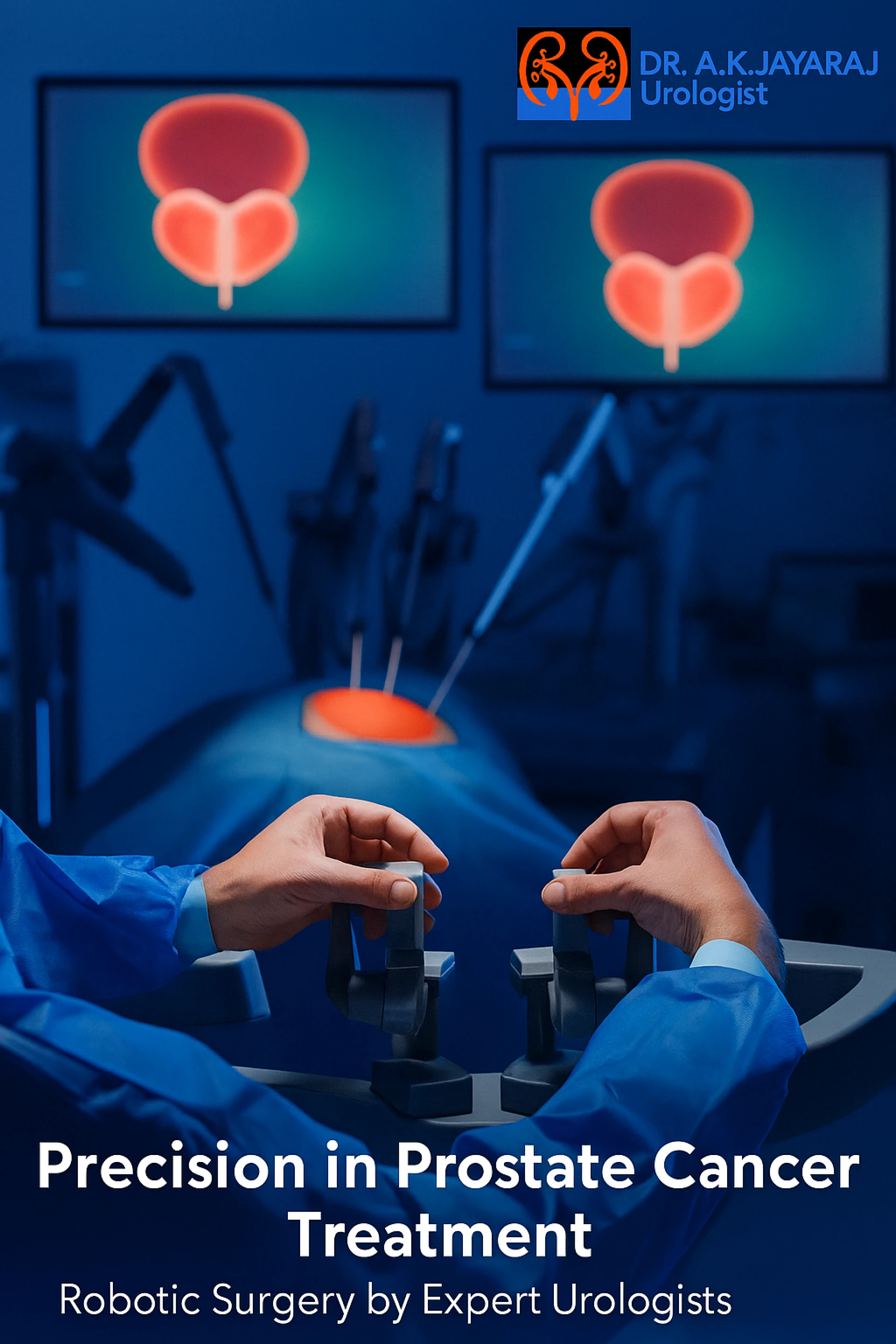

Robotic pyeloplasty is a minimally invasive surgical procedure used to correct Ureteropelvic Junction Obstruction (UPJO), a condition where the flow of urine from the kidney to the ureter is blocked. With advances in robotic-assisted surgery, patients experience faster recovery, less pain, and higher success rates compared to traditional open surgery. If you or a loved one is scheduled for this procedure, understanding what to expect before, during, and after surgery can help ease anxiety and improve outcomes.
For anyone seeking expert care, consulting a best urologist in Chennai, like Dr. A.K. Jayaraj, ensures the procedure is performed with precision and expertise.
Before Robotic Pyeloplasty: Preparation Steps
1. Initial Consultation
The first step involves visiting a urology specialist in Chennai for a thorough evaluation. The doctor will review your medical history, previous imaging studies, and current symptoms such as flank pain, recurrent urinary tract infections, or kidney swelling.
2. Diagnostic Tests
Before surgery, several tests may be recommended:
- Ultrasound or CT scan: To check for obstruction and kidney function.
- Renal scan: To evaluate urine flow and kidney efficiency.
- Blood and urine tests: To ensure overall health and detect infections.
These assessments allow the top urologist in Chennai to plan a personalized surgical approach.
3. Pre-Surgery Instructions
Patients will receive detailed instructions, including:
- Fasting guidelines (usually 6–8 hours before surgery)
- Stopping certain medications as advised
- Hydration and lifestyle modifications before the procedure
Following these guidelines ensures safety during anesthesia and surgery.
During Robotic Pyeloplasty: The Procedure
1. Anesthesia
Robotic pyeloplasty is performed under general anesthesia, which means you will be asleep and pain-free throughout the surgery.
2. Minimally Invasive Incisions
Unlike traditional open surgery, robotic pyeloplasty uses small keyhole incisions. Through these incisions, the surgeon inserts robotic instruments and a high-definition camera, providing a magnified 3D view of the surgical area.
3. Robotic Assistance
The surgeon controls the robotic arms from a console, allowing precise movement to remove the obstruction and reconstruct the ureter. This reduces tissue damage and improves the accuracy of suturing.
4. Placement of Stent
After the ureter is repaired, a temporary stent may be placed to support urine flow from the kidney to the bladder during healing. The stent is usually removed a few weeks after surgery.
5. Duration and Recovery in Hospital
Robotic pyeloplasty typically takes 2–3 hours, depending on complexity. Most patients stay in the hospital for 1–2 days and experience less post-operative pain than traditional surgery.
After Robotic Pyeloplasty: Recovery and Care
1. Pain Management
Patients may experience mild discomfort near incision sites. Pain is usually managed with prescribed medications.
2. Activity Guidelines
- Light walking is encouraged to promote circulation
- Avoid heavy lifting or strenuous activity for 4–6 weeks
- Follow-up visits will monitor healing and stent removal
3. Diet and Hydration
A balanced diet and adequate water intake support kidney function and prevent infections.
4. Monitoring Symptoms
It is important to watch for any warning signs, including:
- Fever or chills
- Severe abdominal or flank pain
- Blood in urine
If any of these symptoms occur, contact your urologist in Chennai immediately.
Benefits of Robotic Pyeloplasty
Robotic pyeloplasty offers several advantages over traditional surgery:
- Minimally invasive: Smaller scars and reduced pain
- Faster recovery: Shorter hospital stay and quicker return to normal activities
- High success rate: Long-term relief from UPJO
- Precision: Enhanced visibility and dexterity for the surgeon
These benefits make robotic pyeloplasty a preferred choice for patients seeking effective and safe treatment.
Why Choose Dr. A.K. Jayaraj for Robotic Pyeloplasty
When it comes to delicate surgeries like robotic pyeloplasty, experience and expertise matter. Dr. A.K. Jayaraj Urologist is a renowned top urologist in Chennai specializing in minimally invasive and robotic urologic surgeries.
At his clinic, patients benefit from:
- Personalized consultation and pre-surgery planning
- Advanced robotic surgical techniques for precise reconstruction
- Comprehensive post-operative care and follow-up
- Supportive guidance for home recovery and long-term kidney health
Choosing the right urology doctor in Chennai ensures your procedure is performed safely, with optimal outcomes and minimal discomfort.
Tips for a Smooth Recovery at Home
- Follow Instructions: Adhere strictly to your physiotherapy and post-operative care plan.
- Stay Hydrated: Drink plenty of water to support kidney function and prevent infection.
- Pain Management: Take medications as prescribed, and avoid self-medicating.
- Rest and Gradual Activity: Incorporate light walking and avoid heavy lifting.
- Attend Follow-ups: Remove stents and monitor kidney function under your doctor’s guidance.
Conclusion
Robotic pyeloplasty is a safe, minimally invasive solution for patients with UPJO and other ureteral obstructions. By understanding what to expect before, during, and after the procedure, patients can reduce anxiety, prepare effectively, and achieve the best outcomes.
For those seeking expert care in Chennai, Dr. A.K. Jayaraj Urologist is a trusted name in robotic urologic surgeries. With advanced skills, personalized attention, and a commitment to patient well-being, he ensures a smooth surgical experience and excellent post-operative recovery.
Take the first step toward kidney health and schedule a consultation with a best urologist in Chennai today.




























Sign in to leave a comment.