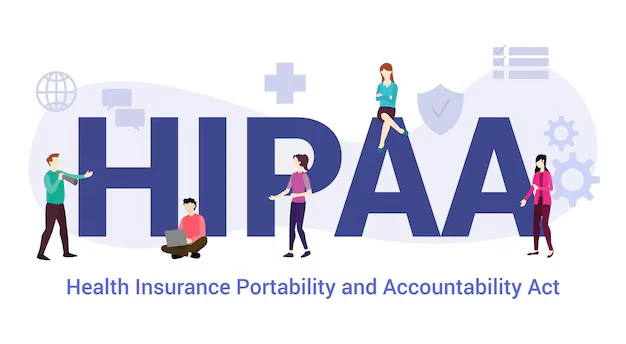

A HIPAA Security Risk Assessment (SRA) is a fundamental requirement for healthcare organizations and their business associates to ensure compliance with the HIPAA Security Rule. The assessment helps identify vulnerabilities in the protection of electronic protected health information (ePHI) and provides a roadmap for strengthening security measures. Failure to conduct a proper risk assessment can lead to regulatory penalties, data breaches, and reputational damage. This guide outlines a step-by-step approach to conducting a comprehensive HIPAA Security Risk Assessment.
Step 1: Define the Scope of the Assessment
The first step in conducting an SRA is to clearly define the scope of the assessment. This involves identifying all the systems, applications, and devices that store, process, or transmit ePHI. Healthcare organizations must also consider internal and external threats, including cyberattacks, employee negligence, and vendor vulnerabilities. Establishing the scope helps create a structured framework for the assessment, ensuring that no critical component is overlooked.
Step 2: Identify and Document ePHI Flows
Understanding how ePHI moves within an organization is crucial for identifying potential security risks. Organizations should document how ePHI is created, received, stored, and transmitted. This includes mapping data flows across electronic health record (EHR) systems, email communications, cloud storage, mobile devices, and third-party vendors. By visualizing these data flows, organizations can pinpoint areas where security vulnerabilities may exist.
Step 3: Identify Potential Threats and Vulnerabilities
Once ePHI flows are documented, the next step is to identify potential threats and vulnerabilities that could compromise the confidentiality, integrity, or availability of patient data. Common threats include phishing attacks, malware, unauthorized access, insider threats, and accidental data loss. Additionally, organizations should assess physical security risks, such as unauthorized access to server rooms or unsecured workstations.
Step 4: Assess Current Security Measures
After identifying potential threats, organizations must evaluate the effectiveness of existing security measures. This includes reviewing administrative, technical, and physical safeguards in place to protect ePHI. Administrative safeguards involve policies and procedures, workforce training, and risk management processes. Technical safeguards include encryption, access controls, and firewalls, while physical safeguards cover facility access controls and device security. A thorough review of these measures helps determine if they are adequate or require improvements.
Step 5: Determine the Likelihood and Impact of Risks
Once threats and vulnerabilities are identified, organizations must assess the likelihood of each risk occurring and the potential impact if it does. Risks can be categorized based on their probability—low, medium, or high—and their consequences, such as financial loss, regulatory penalties, or patient harm. This risk evaluation helps prioritize which security gaps require immediate attention.
Step 6: Develop a Risk Mitigation Plan
After assessing risks, organizations must develop a risk mitigation plan that outlines specific actions to reduce identified threats. This may involve updating security policies, implementing multi-factor authentication, enhancing data encryption, or providing additional employee training. The plan should include timelines, assigned responsibilities, and required resources to ensure effective implementation.
Step 7: Document the Risk Assessment Process
Proper documentation is essential for demonstrating compliance with HIPAA regulations. Organizations should maintain detailed records of the assessment process, including the identified risks, security measures, risk analysis results, and mitigation strategies. This documentation serves as evidence of due diligence and can be crucial in the event of an audit or investigation by regulatory authorities.
Step 8: Regularly Review and Update the Assessment
A HIPAA Security Risk Assessment is not a one-time process; it should be conducted regularly and updated as needed. Changes in technology, new cybersecurity threats, and regulatory updates may require organizations to reassess their security posture. Conducting annual risk assessments or performing additional reviews after significant system changes ensures ongoing compliance and protection of ePHI.
Conclusion
Conducting a HIPAA Security Risk Assessment is a critical step in safeguarding patient data and maintaining regulatory compliance. By systematically identifying risks, evaluating current safeguards, and implementing mitigation strategies, healthcare organizations can strengthen their security posture and reduce the likelihood of data breaches and penalties. A proactive approach to risk assessments not only protects sensitive information but also reinforces trust with patients and stakeholders.





























Sign in to leave a comment.