

Creating precise architectural building plans is a critical step in any construction or renovation project. These plans serve as the blueprint for architects, engineers, contractors, and clients, ensuring that every aspect of a building is carefully designed and executed. At BIM Associates, we understand the importance of accuracy and clarity in architectural documentation. This guide walks you through the step-by-step process of developing reliable and detailed building plans.
Step 1: Understand Project Requirements
The first step in creating accurate architectural building plans is to gather and analyze the project requirements. This involves understanding the client’s needs, the intended use of the building, local building codes, zoning regulations, and environmental considerations. At BIM Associates, we emphasize the importance of clear communication during this stage, as even minor misunderstandings can lead to costly revisions later.
Step 2: Conduct a Site Analysis
Before drafting any plans, a comprehensive site analysis is essential. This includes evaluating the topography, soil conditions, climate, and existing structures on the site. Accurate measurements and surveys ensure that your architectural building plans are grounded in reality, reducing the likelihood of structural issues during construction. Using modern tools like drones and 3D scanners, BIM Associates ensures precise data collection for every project.
Step 3: Develop a Conceptual Design
Once the site analysis is complete, the next step is to create a conceptual design. This phase focuses on layout, building orientation, and spatial relationships between rooms and functional areas. Conceptual sketches and preliminary drawings help clients visualize the final structure. At BIM Associates, our team collaborates closely with clients to refine ideas while adhering to architectural standards and sustainable design practices.
Step 4: Create Detailed Drawings
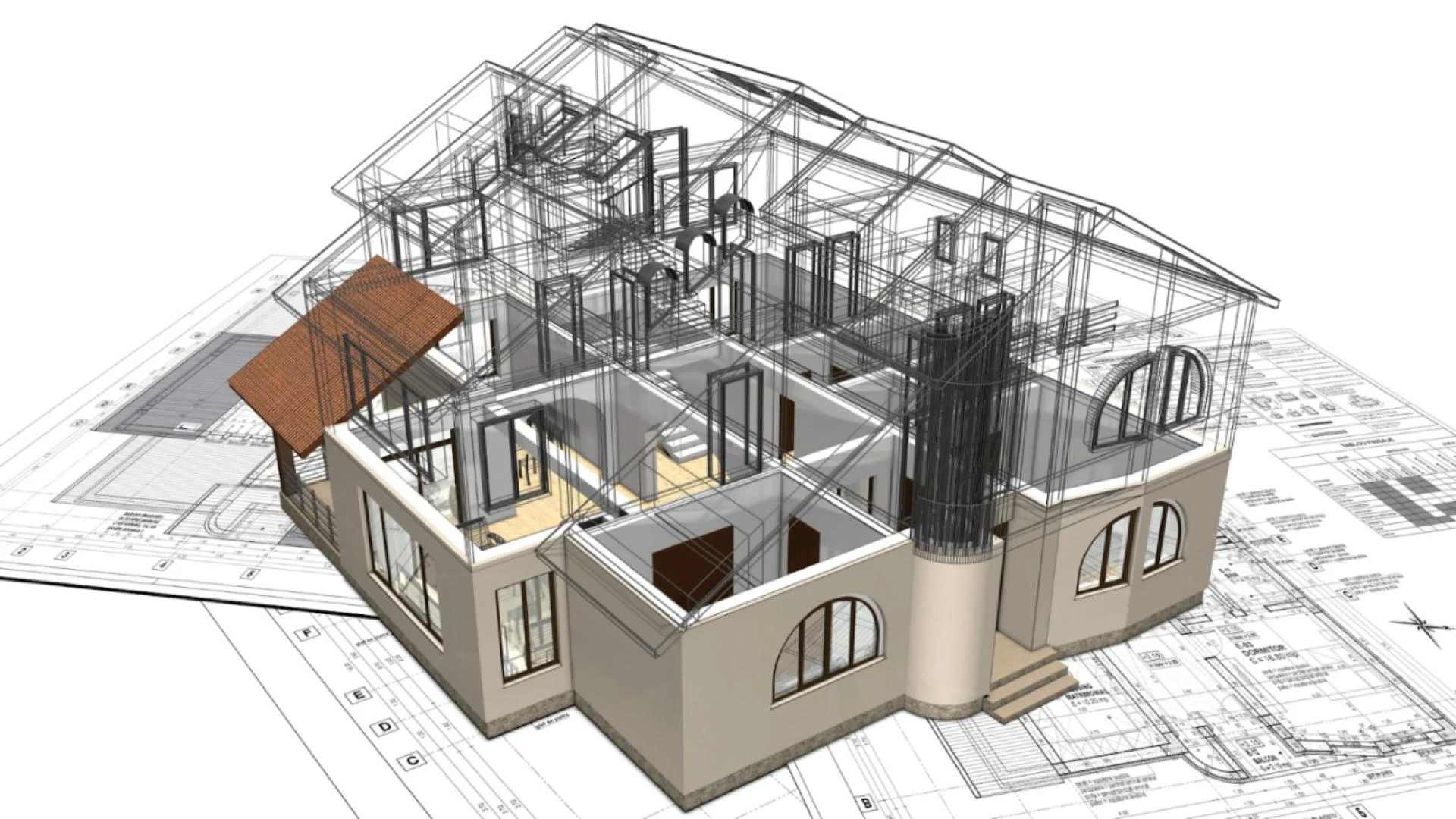
After finalizing the conceptual design, it’s time to translate ideas into detailed architectural building plans. These drawings include floor plans, elevations, sections, and site plans. Each element must be precise, with accurate dimensions, annotations, and material specifications. Detailed drawings serve as the official guide for construction teams and are crucial for securing permits. At BIM Associates, we utilize advanced software like AutoCAD and Revit to produce highly accurate and easily modifiable plans.
Step 5: Integrate Structural and MEP Systems
Accurate architectural building plans must account for structural, mechanical, electrical, and plumbing (MEP) systems. Collaborating with engineers during this phase ensures that all components work together seamlessly. Proper integration prevents conflicts during construction, improves efficiency, and maintains safety standards. At BIM Associates, our Building Information Modeling (BIM) approach allows for real-time coordination between all disciplines, minimizing errors and rework.
Step 6: Review and Revise
Before finalizing plans, thorough review and revision are essential. This step involves cross-checking dimensions, verifying compliance with codes, and ensuring that all client requirements are met. Peer reviews and client feedback can reveal inconsistencies that may not be obvious in initial drafts. BIM Associates prioritizes rigorous quality checks to deliver architectural building plans that are both precise and practical.
Step 7: Final Approval and Documentation
Once revisions are complete, the final architectural building plans are prepared for submission and approval. This includes producing professional documentation, often in both digital and print formats. Clear, organized plans facilitate smooth communication with contractors, regulatory bodies, and stakeholders. At BIM Associates, we ensure that every plan is ready for implementation, helping clients move confidently from design to construction.
Conclusion
Creating accurate architectural building plans requires careful planning, precise measurements, collaboration with experts, and rigorous attention to detail. By following these steps, architects and designers can produce plans that not only meet regulatory standards but also bring their clients’ visions to life. BIM Associates is committed to providing high-quality architectural solutions, combining technical expertise with innovative design to ensure every project succeeds from concept to completion.




























Sign in to leave a comment.