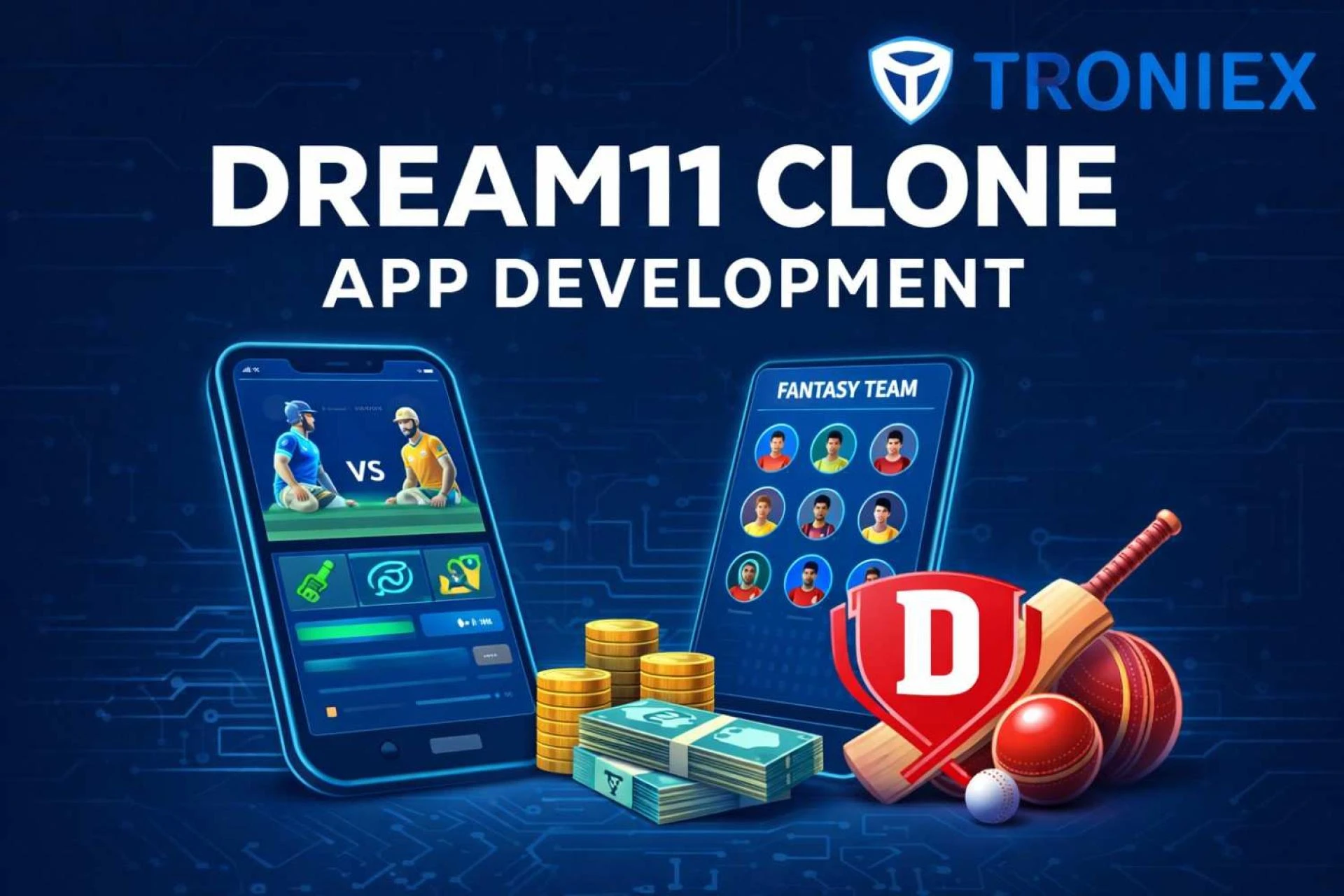

The fantasy sports industry is booming, and startups are actively looking to enter this high-growth market. Platforms like Dream11 have proven that fantasy gaming can be both scalable and highly profitable when executed right. If you’re a startup founder planning to build a Dream11-style platform, this guide walks you through the entire Dream11 clone app development process, step by step.
Step 1: Understand the Fantasy Sports Business Model
Before jumping into development, it’s critical to understand how a Dream11 clone actually makes money. Most fantasy sports platforms generate revenue through:
- Contest entry fees
- Platform commission (usually 10–20%)
- Premium contests and private leagues
- Brand partnerships and sponsorships
- Advertisements and in-app promotions
As a startup, you should decide early whether your focus is cash contests, free-to-play, or a hybrid model, as this will impact compliance, features, and monetization strategies.
Step 2: Market Research and Legal Compliance
Fantasy sports legality varies by country and even by region. In markets like India, fantasy sports are considered games of skill, but regulations can still differ by state.
Key things to handle at this stage:
- Research local gaming and fantasy sports laws
- Draft clear terms & conditions and fair play policies
- Plan KYC, age verification, and responsible gaming features
- Consult a legal expert to avoid compliance risks
Skipping this step can cost startups heavily later, so treat compliance as a foundation—not an afterthought.
Step 3: Define Core Features of Your Dream11 Clone App
Your app must offer a smooth and competitive user experience. Below are the essential features every Dream11 clone should include:
User Panel Features
- User registration & social login
- Match listing (upcoming, live, completed)
- Create & join contests
- Team creation with real player stats
- Wallet integration (deposit, withdraw, history)
- Live score updates & leaderboard
Admin Panel Features
- Contest creation & management
- User & transaction management
- Commission and payout control
- Player credit management
- Reports, analytics, and fraud detection
You can later add advanced features like AI-based suggestions, multi-sport support, or loyalty programs.
Step 4: Choose the Right Technology Stack
For startups, scalability and performance matter more than flashy tech. A typical Dream11 clone app tech stack includes:
- Frontend: React Native / Flutter (for cross-platform apps)
- Backend: Node.js or Laravel
- Database: MySQL / MongoDB
- APIs: Live sports data APIs for real-time scores
- Cloud Hosting: AWS or Google Cloud
- Payments: Stripe, Razorpay, Paytm, or UPI
Choosing a future-ready tech stack ensures your platform can handle traffic spikes during live matches.
Step 5: UI/UX Design Focused on User Engagement
Fantasy sports apps live or die by user engagement. Your UI should be:
- Simple and intuitive for first-time users
- Fast-loading with minimal clicks
- Optimized for mobile-first usage
A clean dashboard, easy team creation flow, and visually clear player stats significantly improve retention and conversion rates.
Step 6: Development and Integration Phase
This is where your Dream11 clone app starts taking shape. Development usually happens in phases:
- Backend development and database setup
- Frontend app development (Android & iOS)
- Admin panel development
- API integrations (live scores, payments, notifications)
Startups often choose pre-built Dream11 clone scripts and customize them instead of building everything from scratch, this saves both time and cost.
Step 7: Testing, Security, and Performance Optimization
Before launch, rigorous testing is non-negotiable. Focus on:
- Functional testing (contests, payments, scoring)
- Load testing for high-traffic matches
- Security testing (data encryption, fraud prevention)
- Payment and withdrawal testing
Fantasy apps deal with real money, so security vulnerabilities can seriously damage your brand trust.
Step 8: Launch Strategy and Marketing
Once your app is stable, plan a smart launch strategy:
- Soft launch with limited users
- Early-bird contests and signup bonuses
- Influencer and sports community marketing
- App Store Optimization (ASO)
Post-launch, continuously analyze user behavior and optimize features based on real data.
Final Thoughts
Dream11 clone app development is a powerful opportunity for startups aiming to enter the fantasy sports market quickly. With the right planning, legal compliance, feature set, and technology, you can launch a scalable and revenue-driven fantasy sports platform.
Whether you build from scratch or customize a ready-made solution, following this step-by-step approach will help you avoid common pitfalls and accelerate your go-to-market strategy.























Sign in to leave a comment.