
The construction industry is complex, fast-paced, and constantly evolving. Projects often face unexpected challenges, such as scope changes, regulatory updates, and material shortages. These changes can disrupt timelines, budgets, and quality standards if not managed effectively. That’s where Change Management in Construction comes into play. This blog provides a step-by-step guide to implementing change management, ensuring your projects stay on track.
1. Identify the Need for Change
Understanding why a change is necessary is the first step. Whether it’s adapting to new regulations, responding to client feedback, or addressing unforeseen delays, identifying the root cause and its potential impact is crucial. A proactive approach to recognizing the need for change sets the foundation for smooth implementation.
2. Develop a Comprehensive Plan
An effective Project Management strategy must include a detailed change management plan. Your plan should outline:
- The specific goals and objectives of the change.
- Timelines and milestones for implementation.
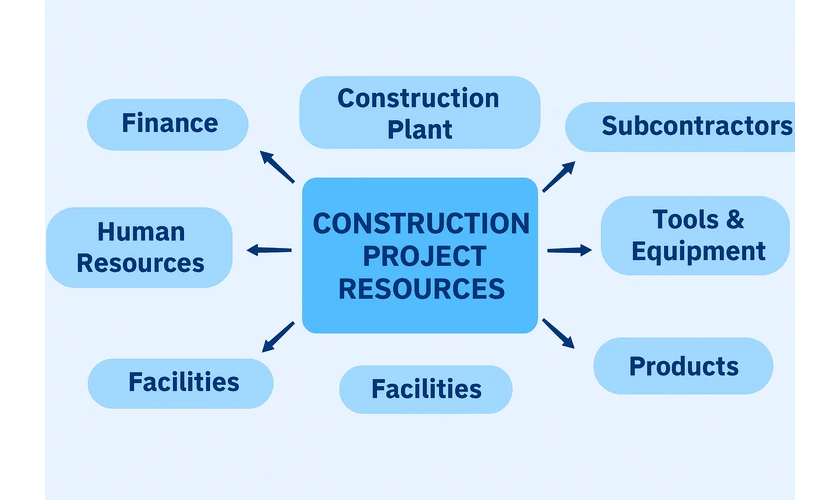
- Allocation of resources, including personnel and materials.
- Risk assessment and mitigation strategies.
3. Engage Key Stakeholders
Successful change management requires buy-in from all stakeholders, including clients, contractors, architects, and on-site teams. Clear and consistent communication ensures everyone understands the change’s purpose and their role in its execution. Regular updates and feedback loops are essential to maintain alignment and accountability.
4. Assess Risks and Prepare for Challenges
Every change carries risks. Use tools and frameworks to evaluate potential impacts on cost, time, and quality. Collaborate with experts like OnIndus to conduct risk assessments and develop contingency plans. Identifying challenges early reduces disruptions and builds confidence among stakeholders.
5. Implement the Change Strategically
Roll out the change in phases, if possible, to minimize disruption. Assign clear responsibilities to team members and establish monitoring mechanisms to track progress. Leverage modern project management software to maintain transparency and ensure adherence to timelines.
6. Provide Training and Support
Change often introduces new workflows, technologies, or practices. Equip your team with the knowledge and skills they need to adapt. Offering training sessions, workshops, and access to expert resources ensures smooth transitions. Consulting firms like OnIndus can provide hands-on support and guidance throughout the process.
7. Monitor and Evaluate Outcomes
Once the change is implemented, track its impact on project performance. Use key metrics like cost savings, timeline adherence, and productivity improvements to evaluate success. Regularly review processes to identify opportunities for further optimization.
The Role of Expert Consulting Firms
Partnering with a firm like OnIndus brings specialized knowledge and tools to the table. They help construction companies design and implement effective change management strategies, ensuring seamless execution and better project outcomes. Their expertise in Change Management Consulting makes them a valuable ally for navigating the complexities of modern construction projects.
Conclusion
Implementing Change Management in Construction requires careful planning, stakeholder engagement, and expert guidance. By following this step-by-step guide and collaborating with industry leaders like OnIndus, you can manage changes effectively, reduce risks, and achieve project success.



























Sign in to leave a comment.