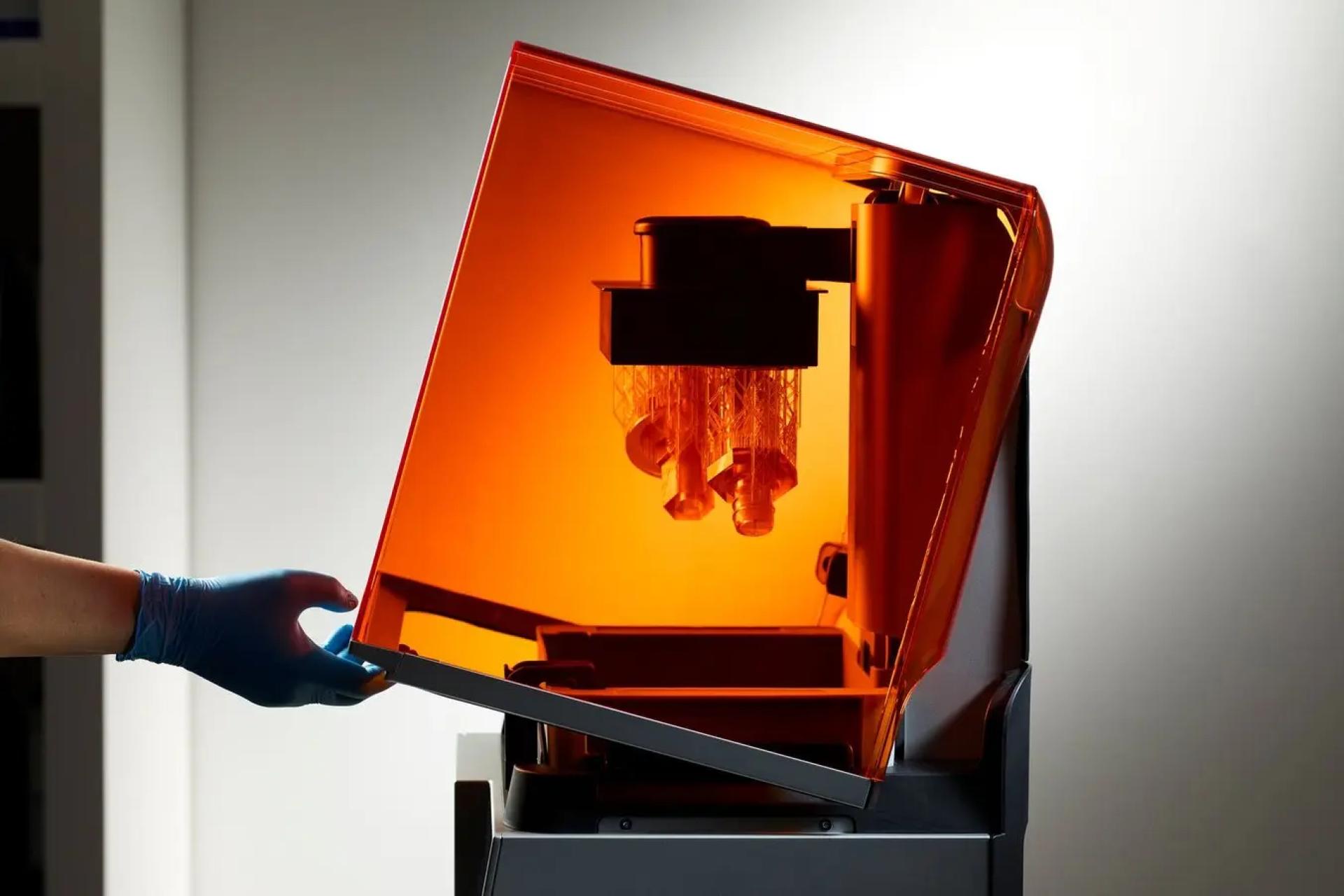

In the evolving world of additive manufacturing, few technologies have had as much influence as stereolithography sla. This process, often abbreviated to SLA, is celebrated for its exceptional accuracy, smooth surface finishes, and versatility across industries. From creating intricate prototypes to manufacturing end-use components, SLA stands out as a go-to solution for professionals who require high-resolution parts with reliable performance.
At its core, SLA relies on photopolymerization: a UV laser selectively cures liquid resin layer by layer, solidifying it into the desired shape. The result is a part with extremely fine details and a surface finish that often requires little to no post-processing. Because of these characteristics, Stereolithography SLA is frequently chosen for applications where dimensional accuracy and visual appeal are paramount, such as medical models, jewelry patterns, and product design prototypes.
One of the greatest strengths of SLA lies in its material flexibility. Modern resins include rigid, tough, flexible, heat-resistant, and even biocompatible formulations, giving engineers and designers a wide range of options. This adaptability allows businesses to prototype consumer goods, craft custom dental aligners, or create investment casting patterns all with one technology. Stereolithography SLA also excels in producing thin walls, sharp edges, and complex internal channels, making it ideal for parts that would be difficult or impossible to produce using traditional methods.
How Stereolithography SLA Works
The SLA process begins with a digital 3D model created in CAD software. Once the design is finalized, slicing software divides the model into thin layers, generating the instructions for the printer. Inside the SLA machine, a build platform is submerged just below the surface of a liquid resin vat. A precise UV laser scans the first layer, curing the resin where it touches. The platform then moves incrementally, allowing the next layer to be drawn and bonded to the previous one. This cycle continues until the entire object is complete.
After printing, the part is carefully removed, rinsed in a solvent to eliminate excess resin, and cured under UV light to achieve full strength. Depending on the application, additional finishing steps—such as sanding, painting, or coating—can enhance the product’s appearance or functionality. The ability to produce parts with micron-level detail and smooth finishes makes Stereolithography SLA a top choice for engineers, artists, and researchers.
Benefits of Stereolithography SLA
SLA technology offers a variety of advantages that set it apart from other 3D printing methods:
- High Resolution and Detail – SLA printers can produce layers as thin as 25 microns, capturing fine details that are difficult for FDM or SLS systems to replicate.
- Excellent Surface Finish – Parts come out smooth, reducing the need for extensive sanding or polishing.
- Material Versatility – A broad selection of resins enables designers to match specific mechanical, thermal, or biocompatible requirements.
- Complex Geometry – SLA’s precision laser allows for intricate designs, including hollow structures and delicate latticework.
- Fast Prototyping – With minimal setup and rapid curing, SLA is ideal for quickly testing new ideas or producing small batches.
These strengths make Stereolithography SLA an indispensable tool in industries such as healthcare, automotive, aerospace, and consumer product development.
Applications of SLA 3D Printing
Stereolithography’s ability to create accurate, smooth, and durable components has broadened its applications significantly:
- Medical and Dental: Surgeons use SLA to develop anatomical models for planning procedures, while dentists rely on it for crowns, bridges, and aligner molds.
- Jewelry and Fashion: Designers produce intricate wax patterns for casting or directly print accessories with remarkable precision.
- Engineering and Product Design: Rapid prototypes allow teams to evaluate form, fit, and function before moving to mass production.
- Aerospace and Automotive: Lightweight, complex components can be tested without expensive tooling.
- Consumer Goods: SLA helps entrepreneurs refine product aesthetics and ergonomics before launch.
Because of its adaptability, Stereolithography SLA continues to be one of the most versatile 3D printing solutions available today.
Choosing the Right SLA Printer and Materials
Selecting an SLA printer involves balancing build volume, resolution, and workflow compatibility. Desktop models are perfect for smaller studios or labs, while industrial-grade machines cater to businesses requiring large-scale or continuous production. Material choice is equally important: standard resins are great for general prototyping, while specialty formulations—like high-temperature or flexible resins—extend the range of possibilities.
Maintenance is also essential for long-term performance. Proper cleaning of the resin tank, replacing worn components, and regular calibration keep the system running at peak efficiency. By understanding these aspects, users can maximize the lifespan of their investment.
Future Trends in Stereolithography SLA
The future of SLA looks bright as manufacturers push the boundaries of speed, material science, and automation. Emerging resins promise enhanced durability, transparency, and eco-friendliness, while new printer designs focus on faster layer curing and improved support removal. Integration with AI-driven software is simplifying design optimization, making SLA accessible even to beginners. As the technology matures, its cost-effectiveness will continue to improve, allowing businesses of all sizes to benefit from its capabilities.
For companies looking to elevate their product development or manufacturing processes, embracing Stereolithography SLA means staying ahead in an increasingly competitive market.
Conclusion
Stereolithography SLA remains one of the most advanced and reliable 3D printing methods for creating high-quality prototypes, models, and end-use parts. Its unparalleled precision, smooth surface finish, and material diversity make it a favorite across countless industries. Whether you are an engineer, designer, or entrepreneur, incorporating SLA into your workflow can dramatically reduce lead times and improve the quality of your creations. For anyone exploring professional 3D printing services, platforms like lawa3dp provide access to expert solutions, ensuring your projects benefit from the full potential of SLA technology.
FAQs About Stereolithography SLA
Q1: What is the main advantage of Stereolithography SLA over other 3D printing methods?
A: SLA offers unmatched accuracy and smooth surfaces, making it ideal for detailed prototypes and parts requiring excellent visual quality.
Q2: How durable are SLA prints?
A: The durability depends on the resin used. Engineering-grade and tough resins produce parts capable of withstanding significant stress, while standard resins are best for visual models.
Q3: Can SLA create large parts?
A: Yes, industrial SLA machines can handle sizable builds, though very large prints may require segmenting and assembly.
Q4: Is Stereolithography SLA suitable for functional end-use parts?
A: Absolutely. With the right material, SLA parts can serve as functional components in medical, automotive, and consumer applications.
Q5: What post-processing is required for SLA prints?
A: After washing and curing, parts may need light sanding, painting, or coating, depending on the desired finish and application.






























Sign in to leave a comment.