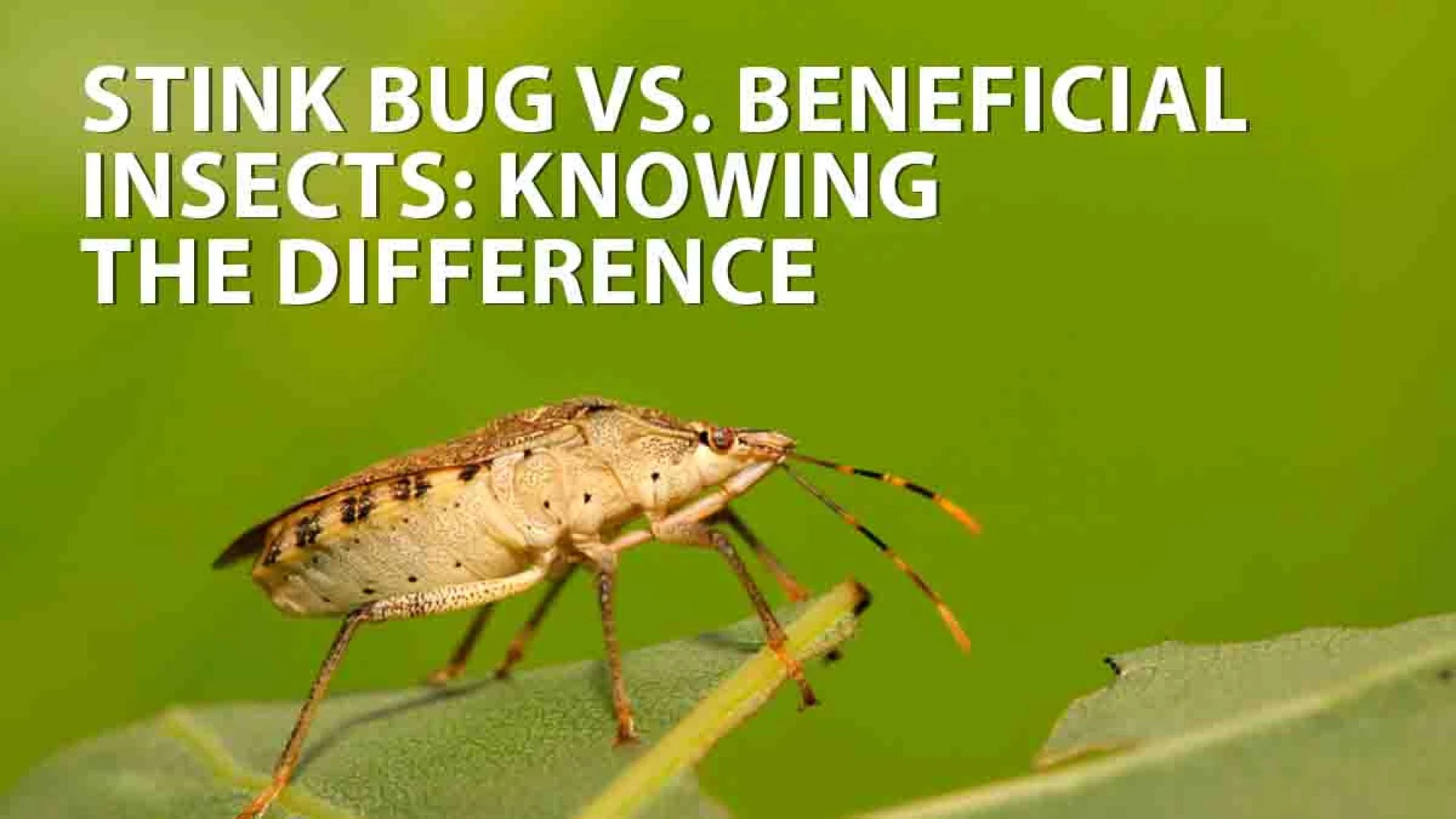

Insects play various roles in our ecosystem, and while some can be beneficial, others can be harmful pests. We must understand the difference between stink bugs and beneficial insects to effectively manage pest populations and promote a healthy environment.
Differentiating between stink bugs and beneficial insects is crucial because it allows us to identify and control potential pests while preserving the populations of beneficial insects. This knowledge helps us implement appropriate pest management strategies and minimize the use of harmful chemical pesticides.
What are Stink Bugs?
Stink bugs belong to the Pentatomidae family and are known for their distinctive shield-shaped bodies. They have piercing-sucking mouthparts, six legs, and antennae. Stink bugs derive their name from the foul odor they emit when threatened or crushed. Stink bugs can cause economic damage to crops and plants, affecting agricultural industries.
They have the following properties:
Shield-shaped bodiesPiercing-sucking mouthpartsSix legs and antennaeDifferent Types of Stink Bugs
Stink bugs encompass various species, including the brown marmorated stink bug, green stink bug, and harlequin bug. Each species may have slightly different physical characteristics and habits, but they all possess the characteristic shield-shaped body. Common types of stink bugs are the following:
Brown marmorated stink bugGreen stink bugHarlequin bugStink bugs, specifically the brown marmorated stink bug (Halyomorpha halys), have become increasingly common in many parts of the United States, including Pennsylvania. York, PA, is within the region where stink bugs have been observed and reported. With this in mind, you should contact stink bug exterminators in York, PA.
What are Beneficial Insects?
Beneficial insects are those that provide valuable services to the ecosystem and humans. They assist in pollination, control pest populations, and aid in decomposition. These insects contribute to the overall health and balance of the environment.
Beneficial insects include ladybugs, lacewings, bees, butterflies, and predatory wasps. Each species has a unique role in maintaining ecological equilibrium and providing ecological services that benefit agriculture and natural ecosystems.
How to Identify Stink Bugs vs. Beneficial Insects
Stink bugs can be distinguished from beneficial insects by their shield-shaped bodies and emitting foul odors. On the other hand, beneficial insects exhibit a range of physical characteristics that differ from stink bugs. It is essential to carefully observe an insect's features and behavior to identify whether it is a stink bug or a beneficial insect.
Characteristics of Stink BugsStink bugs have a shield-shaped body, usually ranging from brown to green in color. They possess sucking mouthparts and antennae. When disturbed, stink bugs emit a pungent odor. Some species may have distinct patterns or markings on their bodies.
Characteristics of Beneficial InsectsBeneficial insects come in various shapes, sizes, and colors. Ladybugs, for example, are small beetles with rounded bodies and vibrant red or orange colors. Lacewings have delicate, lacy wings and slender bodies. Bees and butterflies are known for their distinctive wing patterns and long proboscises for feeding on nectar.
Damage Caused by Stink Bugs to Crops and Plants
Stink bugs eat many plants, including fruits, vegetables, and ornaments. Their piercing-sucking mouthparts puncture plant tissues, leading to damage such as fruit deformities, discoloration, and reduced crop yields. They can also transmit plant diseases.
Health Risks Associated with Stink Bugs
While stink bugs are not known to transmit diseases to humans, their defensive odor can cause discomfort and allergic reactions in some individuals. When crushed or disturbed, stink bugs release an unpleasant smell that can trigger respiratory problems or allergic responses in sensitive individuals.
Beneficial Insects
Beneficial insects act as natural predators or parasites of harmful pests, helping to regulate their populations. Ladybugs, for instance, feed on aphids known to damage crops. By controlling pest populations, beneficial insects reduce the need for chemical pesticides.
Natural Pest Control Options
Encouraging the presence of beneficial insects in gardens and agricultural fields can serve as a natural pest control method. By providing habitats and food sources for beneficial insects, such as planting native flowers and reducing pesticide use, we can promote their populations and minimize the reliance on chemical pest control.
Awareness Is Key!
Understanding the difference between stink bugs and beneficial insects is crucial for effective pest management and environmental conservation. While stink bugs can cause economic damage and become a nuisance, beneficial insects are essential in pollination and natural pest control. By differentiating between the two, we can implement targeted pest control strategies while preserving the populations of beneficial species.
By incorporating this knowledge into our pest management practices, we can strike a balance between addressing stink bug issues and maintaining a harmonious coexistence with beneficial insects. This approach protects our crops and residential areas and supports our environment's overall health and biodiversity.






Sign in to leave a comment.