

Communication tools like Slack have become the heartbeat of team collaboration. They allow quick updates, project coordination, casual banter, and even company-wide announcements. However, as the frequency and speed of workplace communication increase, so does the risk of miscommunication—particularly when it comes to inclusive language.
Language is powerful. It can unite or divide, uplift or alienate. What may seem like a harmless message to one person could be perceived as exclusive, insensitive, or even offensive to another. This is especially true in diverse teams where employees come from different cultural, racial, gender, and linguistic backgrounds. Ensuring that language remains inclusive isn't just a "nice to have"—it’s a critical part of creating an equitable and respectful work environment. That’s where the need for inclusive language spell-check tools becomes urgent.
The Role of Language in Inclusion
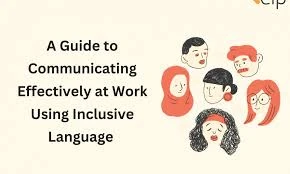
Inclusive language goes beyond avoiding overtly discriminatory words. It’s about intentionality—using words that reflect respect, empathy, and recognition of people’s identities and experiences. This includes:
- Avoiding gendered terms when unnecessary (e.g., “guys” vs. “everyone”)
- Steering clear of ableist phrases like “crazy” or “lame”
- Using people-first language (e.g., “person with a disability” rather than “disabled person”)
- Choosing racially and culturally sensitive expressions
When teams adopt inclusive language norms, they create psychological safety—a space where everyone feels respected and valued. But expecting every employee to master inclusive communication overnight is unrealistic, especially when they may not even realize certain terms could be problematic. Education is important, but real-time support is what makes inclusive behavior stick.
The Problem with Slack-Only Communication
Slack is excellent for speed, but that speed can lead to oversight. Unlike formal documents or emails that might be proofread before being sent, Slack messages are often typed and sent in a matter of seconds. There’s no pause to double-check tone, nuance, or potentially harmful word choices.
This is where the cracks begin to show:
- A well-meaning manager congratulates their “guys” on a project win, unintentionally excluding non-male team members.
- A developer describes a bug as “insane,” overlooking how ableist language can alienate others.
- A team lead asks someone to “man up” and handle feedback, embedding outdated gender norms into the culture.
Without a mechanism to pause and reflect, these phrases go unchallenged. Over time, they contribute to a culture that subtly excludes—and Slack becomes a microcosm of a larger problem.
Why Inclusive Language Spell-Check Is Essential
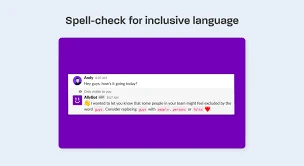
An inclusive language spell-check acts as a real-time guide, flagging potentially exclusive or harmful language as you type. It allows users to consider alternatives before messages are sent, helping shape a more thoughtful and inclusive communication style over time.
Just like traditional spell-check tools catch typos, an inclusive language checker catches language that could undermine your DEI (Diversity, Equity, and Inclusion) efforts. And it does this in a nonjudgmental, educational way—nudging users toward better habits without shaming or scolding.
Key benefits include:
- Real-time correction: Preventing problematic language from going live.
- Micro-education: Explaining why certain words or phrases may be harmful, offering insight users can learn from.
- Consistency across teams: Encouraging uniform language standards without relying solely on HR training or DEI workshops.
- Increased awareness: Helping team members become more mindful of their language over time.
With Slack being the primary hub for internal communication, embedding a tool that supports inclusive language directly into Slack makes this transformation seamless.
Building a Culture of Belonging, One Message at a Time
Culture isn't built in a day. It’s the sum of daily habits, interactions, and choices. When inclusive language becomes the norm in Slack conversations, the impact ripples outwards—making meetings more respectful, policies more thoughtful, and teams more united.
Introducing an inclusive language spell-check into your Slack workspace is more than a tech upgrade—it’s a cultural commitment. You’re saying, “We care about how we speak to one another.” You’re making it easier for your team to show up as allies, even when they’re just posting a GIF or leaving a note in a channel.
Importantly, inclusive language tools don’t suppress personality or creativity. On the contrary, they make room for every voice to feel seen and heard by removing language barriers that marginalize or exclude.
Allybot: Your Slack Partner for Inclusive Language
If you’re ready to make inclusion part of your team’s daily routine, there’s no better place to start than Allybot—the Slack app designed to help teams communicate with care and clarity. Allybot acts as your team’s inclusive language spell-check assistant, quietly working in the background to flag non-inclusive terms and suggest better alternatives.
With Allybot, you’re not just installing a tool—you’re empowering your team to:
- Spot exclusive language before it causes harm
- Learn the reasoning behind inclusive alternatives
- Reinforce company DEI values in every message
Whether your team is already DEI-focused or just beginning the journey, Allybot helps bridge the gap between good intentions and meaningful action.
Final Thoughts: Small Changes, Big Impact
The words we use matter—especially in a professional setting where collaboration, trust, and respect fuel productivity and innovation. Slack may be fast-paced, but that doesn’t mean it has to be careless. With the support of an inclusive language spell-check like Allybot, every message becomes an opportunity to build inclusion, empathy, and connection.
Creating an inclusive workplace isn't about having all the answers—it’s about being willing to learn, adjust, and grow together. Tools like Allybot offer that guidance in the flow of work, making inclusion second nature, not a second thought.























Sign in to leave a comment.