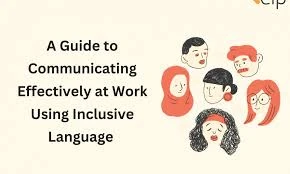

Diversity and inclusion are no longer optional ideals—they are business imperatives. Organizations that prioritize building inclusive cultures not only foster employee well-being and engagement, but also drive innovation, collaboration, and long-term success. However, while many companies invest in DEI training and policy reforms, one powerful area remains frequently overlooked: everyday workplace communication.
Language shapes culture. The words we use, the tone we take, and the assumptions we carry into conversations can either support an inclusive environment—or erode it. In digital workspaces where tools like Slack dominate internal communication, this becomes even more critical. Teams message each other constantly throughout the day, sharing updates, celebrating wins, asking questions, and brainstorming solutions. Every word carries weight.
That’s why companies seeking to create a genuinely inclusive environment need more than a code of conduct or a one-time workshop—they need tools that integrate inclusion into daily operations. Enter the rise of inclusive language tools for Slack—smart, real-time helpers that guide team members toward more respectful, thoughtful communication.
Why Slack Is the Frontline for Inclusive Communication
Slack has transformed how teams communicate. Its quick messaging structure, integrated workflows, and informal tone create opportunities for fast collaboration—but they can also open the door to unconscious bias, microaggressions, or exclusive language. These slip-ups are often unintentional but can have significant impacts on team morale and belonging.
Consider the impact of language like “guys” to refer to a mixed-gender team, or feedback like “you don’t seem like a leader,” which may stem from hidden biases. While these phrases may seem harmless to some, they can marginalize others, particularly those from underrepresented groups. Without intervention, such language can become normalized, creating invisible barriers to inclusion.
This is why real-time solutions are essential. Organizations must meet employees where they are—in the tools they already use. Slack is where the workplace conversation is happening, and it’s where inclusion must begin.
What Makes a Language Tool Effective in Slack?
When looking for a language tool Slack users can rely on to support DEI goals, several key features stand out:
- Real-Time Feedback: The tool should provide instant suggestions or gentle nudges when non-inclusive language is detected, allowing users to correct their messages before hitting "send."
- Education-Oriented: Rather than shaming users, the best tools explain why certain terms may be problematic and offer inclusive alternatives.
- Customizable Guidelines: Different organizations may have different values or priorities, so a good tool should allow admins to tailor language preferences and policies.
- Analytics and Reporting: Insights into language trends can help HR and DEI teams understand where bias may be appearing and develop better strategies for education and support.
- Privacy-Friendly: Tools should protect user privacy and not collect or misuse employee conversations.
These features combine to offer a supportive, rather than punitive, experience that helps build a culture of learning and accountability.
Introducing Allybot: The Language Tool Slack Teams Need
Among the top solutions available today, Allybot stands out as a purpose-built inclusive language tool for Slack that is transforming how teams communicate.
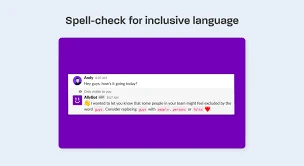
Allybot works quietly in the background of your team’s Slack conversations, scanning for biased or non-inclusive language and suggesting friendlier, more respectful alternatives. For example, it might prompt a user to replace “crazy idea” with “unexpected idea” or suggest replacing gendered terms like “mankind” with “humankind.”
The brilliance of Allybot lies in its subtlety and educational tone. Rather than calling out or embarrassing users, Allybot offers private, supportive messages that help team members grow more aware of their language choices. Over time, this results in more inclusive communication habits across the organization—without disrupting workflow or causing resistance.
Allybot is customizable, meaning teams can add their own inclusive terms, align the tool with company values, or incorporate DEI guidelines specific to their industry. Its dashboard provides useful insights into how language is improving over time, highlighting opportunities for further training or dialogue.
How Allybot Helps Build an Inclusive Culture
The value of a language tool Slack can integrate seamlessly is immense. Allybot helps companies move from passive DEI policies to active DEI behaviors. Here’s how:
- Promotes Daily Inclusion: With Allybot, inclusive language isn’t just a module in onboarding—it’s a part of daily communication. This constant reinforcement helps build a shared vocabulary of respect.
- Reduces Microaggressions: Because it flags language in real time, Allybot helps team members avoid unintentionally hurtful phrases, reducing the likelihood of conflict or alienation.
- Supports DEI Education: Every suggestion comes with a short explanation, allowing users to understand why a certain phrase may be problematic and how they can do better.
- Builds Allyship: It encourages everyone—not just DEI leaders—to take responsibility for fostering a welcoming culture. With Allybot, every team member becomes a more mindful communicator and a better ally.
- Fosters Psychological Safety: When people know that their colleagues are using language that respects identity and experience, they feel safer and more valued. This trust is essential for collaboration and innovation.
Why Language Still Matters—Even in Fast-Paced Chats
In fast-moving Slack channels, it’s easy to forget the weight words carry. But whether you’re congratulating a teammate, giving constructive feedback, or joking with a colleague, the language you use shapes how others feel—and how included they are in the conversation.
A well-timed “thank you” or “well done” can boost morale. A casually gendered comment or joke, even if unintentional, can make someone feel excluded or diminished. That’s why tools like Allybot, the best language tool Slack teams can use, are not just helpful—they're essential.
They serve as daily, invisible reminders of the company’s commitment to empathy, respect, and equity. And as teams grow more diverse—across race, gender, orientation, ability, nationality, and more—these values become more than just HR checkboxes. They become cornerstones of success.
Final Thoughts: Building a Culture of Everyday Inclusion
Diversity and inclusion cannot be relegated to quarterly training sessions or aspirational posters in the break room. They must live in every message, every meeting, every moment of collaboration. The workplace of the future is one where inclusion is baked into daily operations—and where tools exist to make that possible.
If you’re serious about building a culture where everyone feels valued, heard, and respected, it’s time to take a close look at how your team communicates. Words matter. And with the right language tool Slack users can rely on—like Allybot—you can ensure those words support the kind of workplace you’re striving to build.










Sign in to leave a comment.