
Diversity, equality, and inclusion (DEI) are vital components of a strong, vibrant corporate culture in the modern workplace; they are no more merely boxes to be checked. The effectiveness of DEI efforts depends on daily actions, particularly team communication, in addition to leadership pledges and policy revisions.
As more companies shift to hybrid and remote work environments, Slack has become a central hub for internal communication. And while Slack has transformed collaboration by speeding up decisions and simplifying workflows, it has also exposed a blind spot: the way we talk to one another online. Even unintentional word choices can reinforce stereotypes, alienate colleagues, or create discomfort. That’s why it’s more important than ever to invest in tools that can proactively support inclusive communication in real time.
Enter Allybot—an inclusive language assistant built for Slack. If your company is serious about DEI, then this is one Slack app you can’t afford to ignore.
Why Inclusive Communication Matters
Words shape workplace culture. They reflect values, reinforce belonging (or exclusion), and ultimately impact how people feel about showing up to work. A single poorly worded message can cause misunderstandings, trigger microaggressions, or even escalate to HR issues. While many organizations hold unconscious bias workshops or diversity training, those moments are often isolated and hard to sustain over time.
What’s needed is a continuous, embedded approach—one that transforms how people communicate every day. That’s where digital platforms like Slack come into focus. Slack has become the default mode of communication for many distributed teams, making it an ideal touchpoint to encourage inclusive practices at scale. However, Slack doesn’t police language by default—and it certainly doesn’t train employees on how to be more thoughtful with their words. That’s where apps specifically designed for inclusive language come in.
What Makes a Great Slack App for DEI Initiatives?
DEI-focused Slack apps do more than flag inappropriate messages—they educate, guide, and empower users to build better habits. A great app in this space should:
- Work seamlessly within Slack without disrupting workflow
- Provide real-time suggestions to improve language
- Respect privacy by giving feedback directly to the sender
- Educate users on why certain terms may be problematic
- Support customizable settings based on your company’s DEI goals
- Offer analytics and reports to track improvements over time
These criteria help ensure that DEI efforts are not performative but are actually integrated into the daily rhythm of communication.
Why Allybot Stands Out
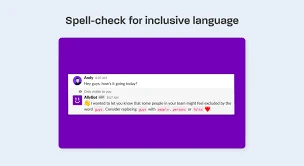
Allybot is a Slack app built specifically to help teams communicate more inclusively. Unlike traditional grammar checkers or spellcheck tools, Allybot focuses on language that affects people’s identities, experiences, and sense of belonging.
Here’s what makes Allybot different:
1. Real-Time Inclusive Language Suggestions
Allybot scans messages before they’re sent and suggests more thoughtful, inclusive alternatives in real time. This ensures team members are gently guided toward better language choices without feeling embarrassed or called out publicly.
2. Private, Constructive Feedback
No one likes being shamed in a public channel. Allybot sends feedback directly to the individual, maintaining psychological safety while still prompting improvement.
3. Educational Context
Allybot doesn’t just tell users what to change—it explains why the suggestion matters. This context helps users build awareness around words that may carry unintended harm, like gendered terms, ableist phrases, or outdated expressions.
4. Customizable to Your DEI Goals
Every company’s DEI journey is unique. Allybot allows customization so you can focus on specific terminology, set the tone for your culture, and align with broader DEI frameworks your organization already follows.
5. Anonymous Trends and Reporting
Leaders can access anonymized reports that highlight communication trends, recurring language concerns, and improvement over time. This provides valuable insights for HR and DEI teams to build targeted training or communications strategies.
The Role of Allybot in Slack App for DEI Initiatives
When evaluating a Slack app for DEI initiatives, Allybot emerges as one of the most effective tools to drive real, measurable change. Its ability to integrate language training directly into daily workflows means that inclusion isn’t relegated to once-a-year workshops or forgotten handbooks—it becomes a living, evolving part of team culture.
Moreover, Allybot reinforces DEI goals without putting the emotional labor on underrepresented employees. Too often, it’s the people most affected by exclusion who are tasked with explaining, correcting, or educating others. With Allybot, that burden is shared—and, more importantly, automated in a respectful, scalable way.
It’s also important to note that using a Slack app for DEI initiatives like Allybot doesn’t replace other efforts—it enhances them. From hiring practices to leadership training to policy reforms, DEI should be multi-layered. Allybot simply fills a critical gap: the everyday language that builds (or breaks) inclusive culture.
Building Inclusive Habits, One Message at a Time
Inclusive language isn’t just a “nice to have”—it’s essential for psychological safety, employee engagement, and organizational trust. It signals to team members that they matter and that their identities and experiences are respected.
Tools like Allybot make it easy for people to learn, grow, and correct themselves without fear or judgment. The best part? These small, intentional language shifts compound over time. One corrected phrase today leads to ten better messages next week, and a workplace culture that truly feels welcoming a month from now.
With remote work here to stay, investing in a Slack app for DEI initiatives is no longer optional—it’s a strategic imperative. Whether you're just beginning your DEI journey or looking to deepen your commitment, Allybot helps you operationalize your values right where your team communicates the most.

Sign in to leave a comment.