
Homeowners routinely invest thousands of dollars installing highly durable, visually appealing asphalt driveways to improve the functionality and exterior presentation of their property. A fresh, properly sealed tarmac surface adds massive value to a residential home and requires regular maintenance to prevent cracking during severe temperature fluctuations. However, property owners frequently compromise this massive financial investment by parking a broken-down, leaking automobile directly on the pristine surface. An older, stationary car is essentially a slow-dripping chemical container, and the fluids it releases interact catastrophically with the materials used to construct your driveway. The damage occurs silently, but the financial consequences of this neglect are absolutely devastating.

Understanding the chemical reality of your driveway is essential for protecting it. Asphalt is a petroleum-based product, held together by a thick, highly complex binder that remains flexible enough to handle the immense weight of daily traffic. When a stationary vehicle begins leaking engine oil, transmission fluid, or power steering fluid onto this surface, a highly destructive chemical reaction begins immediately. Because these automotive fluids are also petroleum-based, they act as powerful solvents when they make contact with the tarmac. The leaking oil literally dissolves the binder holding the asphalt together, causing the solid surface to soften, separate, and break apart into a loose, gravel-like mess.
This chemical degradation is entirely irreversible. You cannot simply wash away the oil with a pressure washer or apply a cheap spray-on sealant to fix the damage. Once the binder has dissolved, the structural integrity of that specific section of the driveway is completely ruined. Potholes form rapidly as the loose gravel is washed away by rain or kicked up by foot traffic. If the vehicle is left in place for an extended period, the continuous dripping will eat entirely through the topcoat and penetrate the foundational base layer beneath the tarmac. Repairing this level of destruction requires hiring a professional paving crew to physically cut out the contaminated section, replace the base material, and pour hot, fresh asphalt.

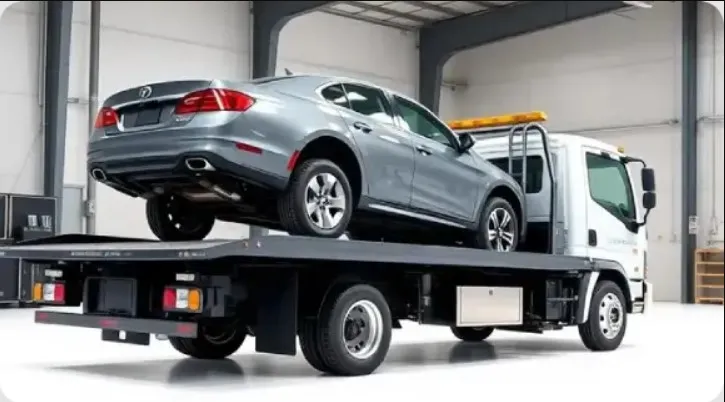
Preventing this expensive reconstruction requires taking aggressive, immediate action the moment a vehicle becomes unroadworthy. Ignoring the leak simply guarantees a massive repair bill in the near future. The only effective strategy is to completely separate the chemical hazard from the vulnerable petroleum surface. Arranging a fast Scrap Car Removal Toronto service acts as a direct intervention, immediately halting the chemical destruction of your property. Professional extraction teams arrive quickly, safely winching the leaking chassis onto a flatbed transport and taking the hazardous materials away before they can cause any further structural damage to your paving.
Once the dead vehicle is permanently removed from the premises, you regain the ability to properly maintain your driveway. You can thoroughly clean any minor surface stains and apply a high-quality, protective sealant over the entire area without an unmovable obstacle blocking your path. Taking responsibility for the condition of your exterior surfaces demonstrates smart property management. By making the logical decision to dispose of the useless machinery, you protect a major financial investment, ensure your property remains visually appealing, and completely avoid the exorbitant costs associated with digging up and replacing a chemically destroyed driveway.
Conclusion
Parking a leaking, broken-down vehicle on an asphalt driveway causes severe chemical destruction. Automotive fluids like engine oil and transmission fluid act as powerful solvents, dissolving the petroleum-based binder that holds the tarmac together and creating permanent, irreversible potholes. Having the stationary vehicle professionally collected immediately stops this chemical degradation, protecting your expensive paving from further ruin and saving you from the massive financial burden of replacing a destroyed driveway surface.
Call to Action
Stop letting toxic automotive fluids dissolve your expensive asphalt driveway. Protect your property investment by permanently removing the leaking hazard before the damage becomes entirely irreversible. Book a fast, professional extraction today and save your paving.
Visit: https://toogood2scrap.ca/

























Sign in to leave a comment.