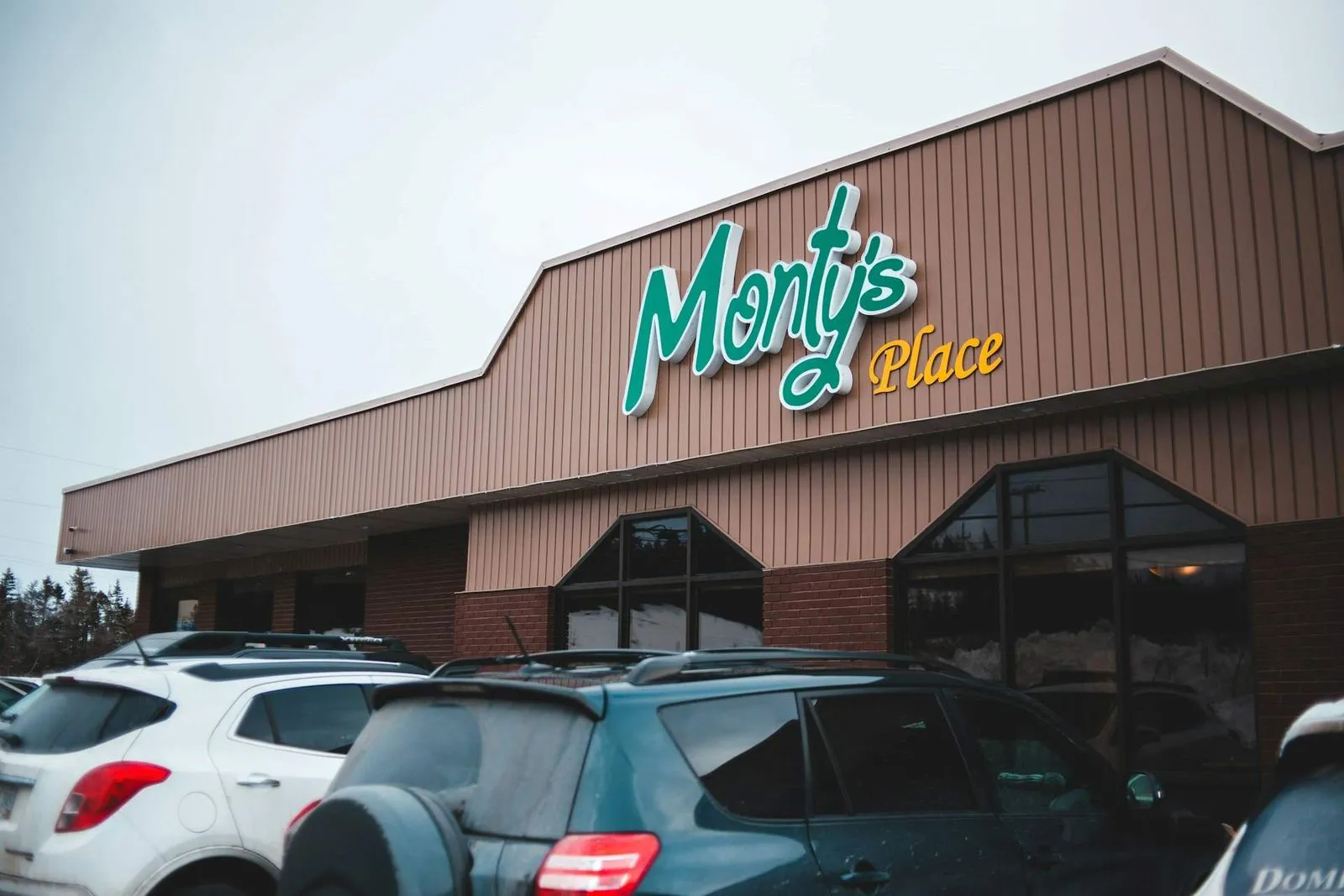

A storefront sign is often the first thing customers notice about a business. Whether it is a retail store, restaurant, medical office, salon, or corporate space, professionally installed signage helps businesses improve visibility, strengthen branding, and attract foot traffic. However, even the best-designed sign can lose its impact if it is installed incorrectly.
For commercial businesses in competitive markets like Chicago, proper storefront sign installation is critical for safety, durability, compliance, and long-term performance. Factors such as placement, lighting, weather resistance, and structural support all influence how effective a sign will be over time.
This guide covers important storefront sign installation tips that commercial property owners and business managers should understand before installing exterior business signage.
Why Professional Storefront Sign Installation Matters
Many business owners focus heavily on sign design but overlook installation quality. Proper installation directly affects:
- Visibility
- Structural safety
- Local code compliance
- Sign longevity
- Customer perception
- Electrical reliability for illuminated signs
Poorly installed signage can create maintenance issues, safety risks, and expensive repairs. A professional installation ensures the sign remains secure, readable, and visually appealing for years.
Choose the Right Sign Type Before Installation
Different storefront signs require different installation methods. Understanding the type of sign being installed helps determine mounting requirements and placement strategy.
Common storefront sign types include:
- Channel letter signs
- Cabinet signs
- Blade signs
- Dimensional letter signs
- Acrylic logo signs
- LED illuminated signs
- Window graphics and vinyl signage
Each sign type has unique electrical, structural, and spacing considerations.
For example:
- Channel letters require electrical wiring and raceway mounting
- Blade signs may require reinforced wall brackets
- Cabinet signs often need stronger support structures due to weight
Choosing the correct sign type early helps simplify the installation process.
Understand Local Sign Regulations
Commercial signage is usually regulated by local municipalities. Businesses in Chicago and surrounding areas may need permits before installation begins.
Important regulations often include:
- Maximum sign size
- Illumination restrictions
- Height limitations
- Historic district requirements
- Electrical code compliance
- Mounting standards
Ignoring local regulations can delay projects or result in fines and mandatory sign removal.
Before installation, businesses should confirm:
- Permit requirements
- Zoning restrictions
- Landlord approvals
- Property management guidelines
Experienced sign companies typically assist clients with permitting and compliance documentation.
Prioritize Visibility and Placement
One of the most important installation decisions is sign placement. A storefront sign should be easy to see from:
- Vehicle traffic
- Pedestrian walkways
- Parking lots
- Nearby intersections
Improper placement can reduce visibility even if the sign itself looks attractive.
Important Placement Considerations
Viewing Distance
Larger roads generally require larger signs with bigger lettering.
Obstructions
Trees, awnings, poles, and neighboring buildings should not block visibility.
Lighting Conditions
Signs should remain visible during both daytime and nighttime hours.
Customer Traffic Flow
Position signage where customers naturally approach the business entrance.
Strategic placement improves brand recognition and increases walk-in traffic.
Use Durable Mounting Systems
Commercial storefront signs must withstand weather, vibration, and long-term exposure to outdoor conditions.
In cities like Chicago, signage faces:
- Heavy wind
- Snow and ice
- Rain
- Temperature fluctuations
- UV exposure
Using durable mounting systems helps prevent structural failures and premature wear.
Common mounting systems include:
- Raceway mounts
- Flush mounts
- Stud mounts
- Bracket systems
- Cable suspension systems
The appropriate mounting method depends on:
- Building material
- Sign weight
- Wind load requirements
- Electrical access
Professional installers evaluate these factors before installation begins.
Ensure Proper Electrical Installation
Illuminated storefront signs require safe and code-compliant electrical work.
Improper electrical installation can cause:
- Flickering lights
- Water damage
- Power failures
- Fire hazards
- Expensive repairs
LED storefront signs are now commonly used because they offer:
- Energy efficiency
- Longer lifespan
- Lower maintenance costs
- Better nighttime visibility
Electrical work should always comply with local building and electrical codes.
Professional installers coordinate electrical access, waterproofing, transformers, and lighting placement to ensure safe operation.
Select Weather-Resistant Materials
Outdoor business signs should be built with materials designed for commercial exterior environments.
Popular durable materials include:
- Aluminum
- Acrylic
- Stainless steel
- PVC composites
- Polycarbonate panels
- Weather-resistant vinyl
Protective finishes such as powder coating and UV laminates help extend sign life.
Businesses should avoid low-quality materials that may:
- Fade quickly
- Crack in cold weather
- Rust or corrode
- Warp under sunlight exposure
Long-lasting materials reduce maintenance costs and improve overall appearance.
Pay Attention to Lighting Design
Lighting dramatically impacts storefront visibility, especially for businesses operating during evenings or winter months.
Popular storefront lighting options include:
- Halo-lit channel letters
- Face-lit LED signs
- Backlit cabinet signs
- External gooseneck lighting
- Edge-lit acrylic signage
Proper lighting installation improves:
- Brand visibility
- Readability
- Customer attraction
- Safety around entrances
However, excessive brightness can create compliance issues or negatively affect neighboring properties.
Balanced lighting design is important for both functionality and aesthetics.
Protect the Building Exterior
Improper sign installation can damage building facades if mounting systems are not handled correctly.
Potential issues include:
- Water infiltration
- Cracked masonry
- Surface discoloration
- Structural weakening
- Damaged electrical systems
Professional sign installers use proper sealing techniques and mounting hardware to minimize building damage.
This is especially important for:
- Historic buildings
- Brick facades
- Stucco surfaces
- Glass storefronts
Protecting the property during installation helps preserve long-term building value.
Consider Future Maintenance Access
Many business owners overlook future maintenance when installing storefront signs.
Signs may eventually require:
- LED replacement
- Cleaning
- Graphic updates
- Electrical servicing
- Seasonal inspections
Installers should ensure signs remain accessible for maintenance without requiring major structural removal.
Well-planned installations reduce future repair costs and service disruptions.
Coordinate Branding Across All Signage
Storefront signs should align visually with the company’s overall branding system.
Consistent branding includes:
- Logo usage
- Color schemes
- Typography
- Lighting style
- Material finishes
Businesses with multiple locations benefit from standardized installation practices and sign specifications.
Consistent branding improves professionalism and customer recognition.
Work With Experienced Commercial Sign Installers
Commercial sign installation involves much more than attaching a sign to a wall. Proper installation requires expertise in:
- Structural engineering
- Electrical systems
- Local code compliance
- Material durability
- Safety regulations
- Visual design strategy
Experienced sign professionals help businesses avoid costly mistakes while ensuring long-term sign performance.
When choosing a sign company, businesses should look for:
- Commercial installation experience
- Licensing and insurance
- Portfolio examples
- Permit assistance
- Warranty options
- Knowledge of local regulations
A reliable sign company can manage the project from design and fabrication to final installation.
Common Storefront Sign Installation Mistakes
Businesses should avoid these common installation problems:
Poor Placement
Signs installed too high, too low, or behind obstructions lose visibility.
Undersized Signs
Small lettering may become unreadable from the street.
Weak Mounting Systems
Improper hardware can lead to safety risks and sign instability.
Inadequate Lighting
Dim or inconsistent lighting reduces nighttime visibility.
Cheap Materials
Low-quality materials often fail quickly in outdoor conditions.
Ignoring Local Codes
Non-compliant signs can result in fines or forced removal.
Professional planning helps eliminate these issues before installation begins.
Final Thoughts
Storefront signs are one of the most valuable investments commercial businesses can make for branding and customer visibility. However, successful signage depends not only on design but also on proper installation.
Businesses in Chicago should prioritize professional storefront sign installation to ensure long-lasting durability, code compliance, safety, and maximum visual impact.
From choosing weather-resistant materials to optimizing placement and lighting, every installation detail contributes to the effectiveness of a commercial sign. By working with experienced sign professionals and following best practices, businesses can create storefront signage that attracts customers and strengthens brand presence for years to come.






















Sign in to leave a comment.