

Mutual fund investments offer various strategies to help you manage your money effectively. Two popular approaches that often confuse investors are Systematic Transfer Plan (STP) and Systematic Withdrawal Plan (SWP). While both involve regular transactions, they serve completely different purposes and suit different financial needs.
Understanding how to use an STP calculator in mutual fund planning can help you make smarter investment decisions. Whether you're looking to reduce market timing risk or create a steady income stream, knowing the difference between these two strategies is essential. In this comprehensive guide, we'll break down everything you need to know about STP and SWP calculators and how they can benefit your investment journey.
What is a Systematic Transfer Plan (STP)?
A Systematic Transfer Plan allows you to transfer a fixed amount regularly from one mutual fund scheme to another within the same fund house. Typically, investors transfer money from a debt fund or liquid fund to an equity fund over a predetermined period.
The primary purpose of STP is to reduce the risk of investing a lump sum amount at the wrong time. Instead of putting all your money into equity funds at once, you can park it in a safer debt fund and gradually move it to equity funds. This approach helps average out your purchase cost and minimizes the impact of market volatility.
Using a mutual fund STP calculator in investment planning helps you determine how much to transfer, the frequency of transfers, and the potential returns based on different market scenarios. These calculators provide valuable insights into how your investment will grow over time with systematic transfers.
What is a Systematic Withdrawal Plan (SWP)?
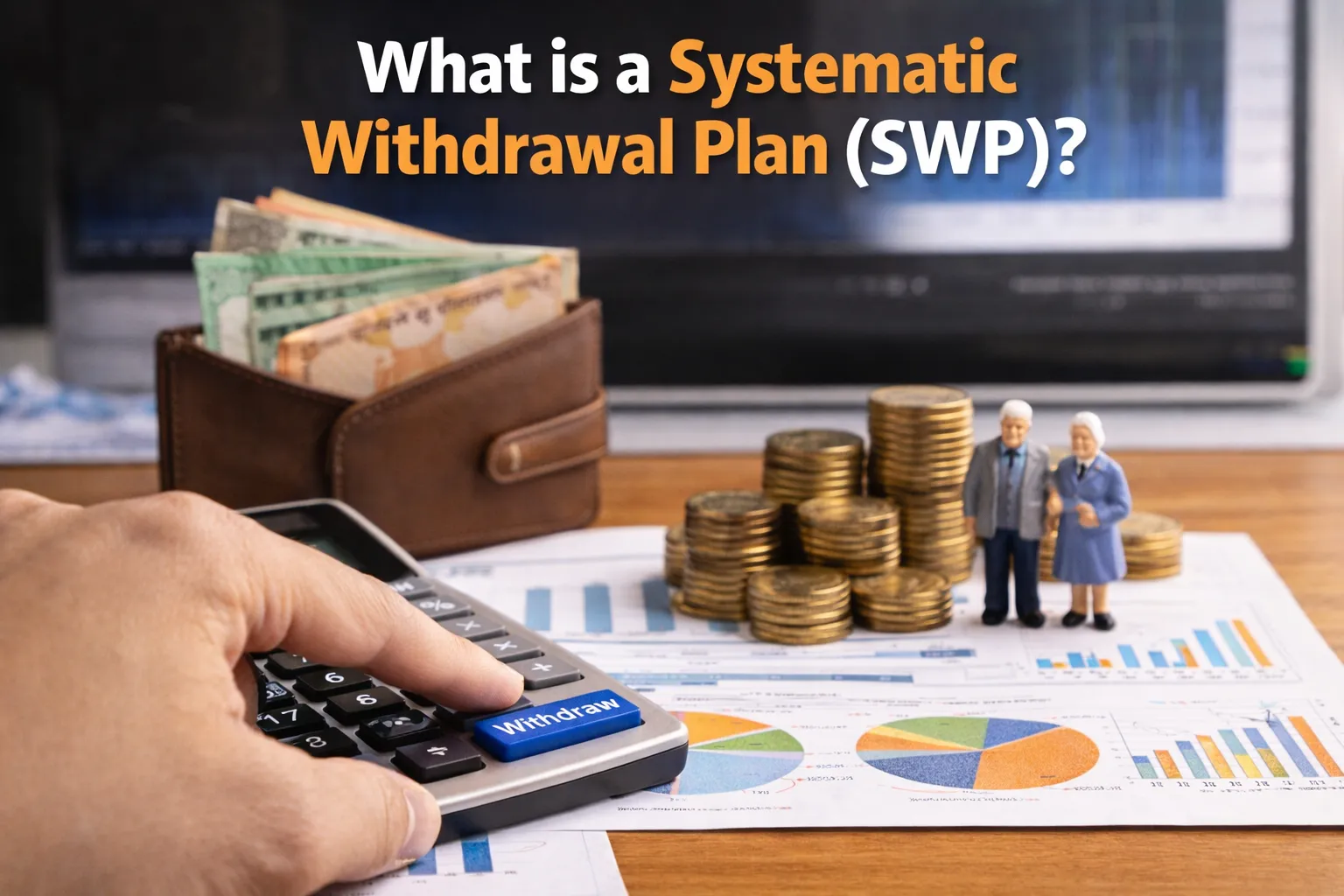
A Systematic Withdrawal Plan works in the opposite direction. It allows you to withdraw a fixed amount regularly from your mutual fund investment. This strategy is particularly popular among retirees or those seeking regular income from their investments while keeping the remaining corpus invested.
With SWP, you can choose the withdrawal amount and frequency (monthly, quarterly, or annually). The remaining investment continues to grow based on fund performance, potentially offsetting your withdrawals and maintaining or even increasing your overall corpus.
Key Differences Between STP and SWP
Purpose and Direction
The fundamental difference lies in the direction of money flow. STP involves moving money from one fund to another, typically from debt to equity. SWP involves taking money out of your investment entirely. A mutual fund STP calculator platform helps you plan your entry into equity markets, while an SWP calculator helps plan your exit or income strategy.
Investment Goals
STP is primarily an investment strategy designed for wealth accumulation. It suits investors who have received a lump sum amount and want to invest it systematically into equity markets. The goal is to maximize returns while minimizing timing risk.
SWP, conversely, is an income generation or wealth distribution strategy. It's ideal for investors who need regular cash flow from their investments, such as retirees needing monthly expenses or someone planning for regular financial commitments.
Tax Implications
Both strategies have different tax treatments. In STP, each transfer from debt to equity is considered a redemption from the source fund and a fresh purchase in the target fund. This means capital gains tax applies on each transfer based on the holding period of units being redeemed.
For SWP, each withdrawal triggers capital gains tax. However, only the gains portion is taxable, not the entire withdrawal amount. The tax rate depends on whether it's a short term or long term capital gain, which varies based on the type of fund and holding period.
Risk Management
Using an STP calculator in mutual fund investment strategy helps manage market entry risk. By spreading your investment over time, you avoid the danger of investing all your money at market peaks. This dollar cost averaging effect can significantly improve your overall returns.
SWP, on the other hand, manages withdrawal risk. Instead of redeeming your entire investment at once (which might coincide with a market low), you withdraw systematically, potentially benefiting from market recoveries during the withdrawal period.
When to Use an STP Calculator
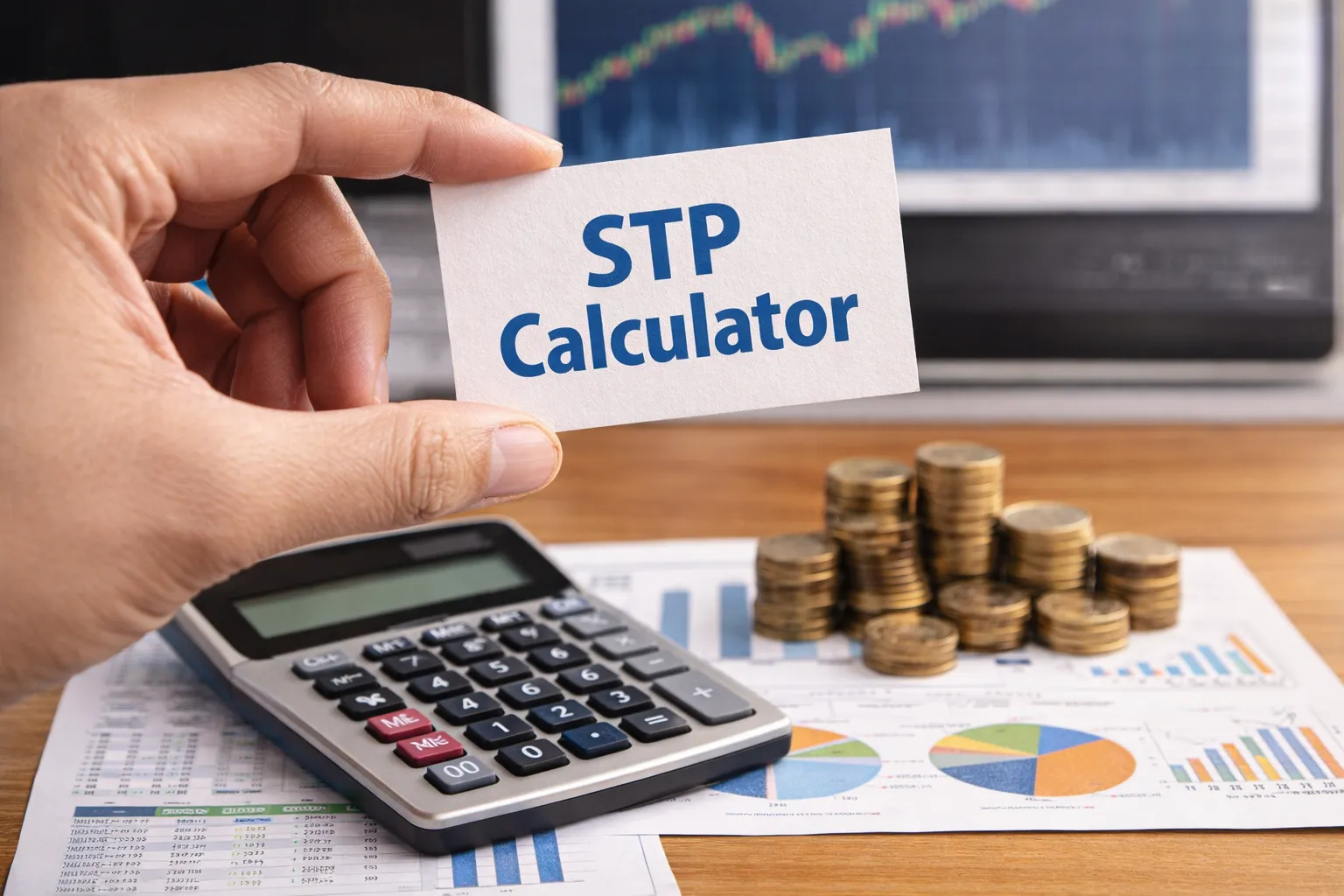
An STP calculator becomes invaluable in several scenarios. If you've received a bonus, inheritance, or proceeds from selling an asset, parking that lump sum in a liquid fund and using STP to move into equity funds gradually can be wise. The calculator helps you decide the transfer amount and duration based on your investment goals.
Platforms like Quant Trade offer sophisticated STP calculators that factor in historical fund performance, expected returns, and market conditions. These tools help you visualize different scenarios and choose the optimal transfer strategy for your specific situation.
You should consider STP when markets are volatile or at all time highs, when you have a large lump sum to invest, or when you want to reduce the emotional stress of timing the market perfectly.
When to Use an SWP Calculator
An SWP calculator is essential when planning for retirement income, creating a monthly cash flow from your investments, or systematically liquidating your portfolio. It helps you determine how much you can withdraw regularly without depleting your corpus too quickly.
The calculator shows you how long your investment will last based on different withdrawal amounts and expected fund returns. This planning is crucial for ensuring your money outlives your financial needs rather than the other way around.
Consider using SWP when you need regular income but want your remaining money to stay invested, when you're retired and need to supplement your pension, or when you're planning for specific future expenses and want to create a disciplined withdrawal approach.
How Quant Trade Helps with Both Strategies
Making the right choice between STP and SWP requires access to reliable data and analytical tools. Quant Trade provides comprehensive calculators for both strategies, backed by quantitative research and historical performance data. The platform allows you to compare different mutual funds, analyze past returns, and project future scenarios based on your investment amount and goals.
Whether you're using an STP calculator in mutual fund selection or planning withdrawals with an SWP calculator, Quant Trade's data driven approach removes guesswork from your financial planning. You get clear insights into tax implications, potential returns, and optimal transfer or withdrawal amounts based on your unique circumstances.
Combining STP and SWP for Complete Planning
Interestingly, some investors use both strategies at different life stages. During your earning years, you might use STP to build wealth systematically. As you approach retirement, you can switch to SWP to create regular income from the corpus you've built.
This lifecycle approach to investing ensures you're always using the strategy that best fits your current financial situation and goals.
Start Planning Your Investment Strategy Today
Whether you need to invest a lump sum systematically or create regular income from your investments, understanding STP and SWP calculators is essential. Visit Quant Trade to access powerful calculators, detailed fund analysis, and expert insights that help you make informed decisions. Our quantitative research tools take the complexity out of mutual fund planning, giving you confidence in your investment strategy. Don't leave your financial future to guesswork. Explore our platform now and start building a smarter investment plan that aligns perfectly with your goals!
Frequently Asked Questions
Q1: Can I use STP and SWP simultaneously in different funds?
Yes, you can run an STP in one fund while having an SWP in another. Many investors do this to balance ongoing investments with income needs.
Q2: What is the minimum amount for starting an STP or SWP?
This varies by fund house but typically starts at Rs. 500 to Rs. 1,000 per installment. Check with your specific mutual fund for their minimum requirements.
Q3: How is STP different from SIP?
SIP involves investing fresh money regularly from your bank account into mutual funds. STP transfers money you've already invested from one fund to another. Both help with rupee cost averaging but start from different sources.
Q4: Are there any charges for STP or SWP?
Most fund houses don't charge separately for STP or SWP services. However, exit loads may apply if you're redeeming units before the specified holding period, and capital gains tax applies as per regulations.
Q5: Can I change the STP or SWP amount after starting?
Yes, most fund houses allow you to modify the transfer or withdrawal amount. You may need to cancel the existing instruction and create a new one with the revised amount.
























Sign in to leave a comment.