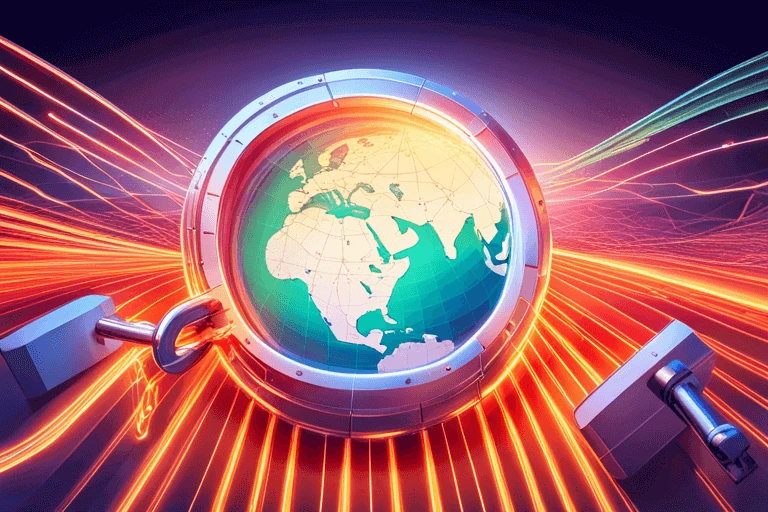

The realm of online streaming has seen unprecedented growth, offering a treasure trove of movies and TV shows at your fingertips. Yet, geo-restrictions often act as roadblocks, preventing viewers from enjoying a truly global content library.
Do you ever wonder, "How can I watch Hulu from outside the US?" or "Is it possible to access the BBC iPlayer while I'm not in the UK?" Or perhaps, you're trying to figure out how to stream international Netflix catalogs or unlock Disney+ worldwide. Maybe you're even pondering about the legality of using a VPN for streaming services.
The answer to all these questions lies in a powerful tool called a Virtual Private Network, or VPN. A VPN can mask your IP address, making it appear as if you're browsing from a different location, thereby bypassing these frustrating geographical restrictions.
In this comprehensive guide, we delve into the world of VPNs for streaming. We'll cover everything from choosing the right VPN, understanding VPN protocols, and steps to set up a VPN, to exploring how you can specifically use a VPN to watch geo-restricted content on popular platforms like Netflix, Hulu, BBC iPlayer, Disney+, and Amazon Prime Video. Strap in as we unravel the potential of VPNs to unlock a world of unlimited streaming.
Understanding Geo-Restrictions and VPNs
Geo-restrictions come into play due to licensing agreements between content creators and streaming platforms. These agreements often restrict the distribution of content to specific regions, meaning you might not be able to stream certain shows or movies depending on your location. For instance, certain US TV shows may not be available for streaming in Europe or vice versa.
In terms of legality, the use of a VPN for streaming services is a grey area that varies based on the specific legal jurisdiction and the terms of service of the streaming platforms. In most regions, using a VPN for personal use is completely legal, but it's always prudent to check the local laws and the terms of the streaming service you plan to use.
The Role of a VPN in Streaming
A VPN serves as a powerful tool that can mask your actual geographic location by routing your internet traffic through a server located in a different country. This makes it seem as though you're accessing the internet from the server's location, thus allowing you to bypass geographic restrictions on content. For instance, you could be in Asia and use a VPN to access content that is only available to viewers in the United States.
Besides unlocking a world of content, VPNs offer enhanced security and privacy benefits. They encrypt your internet traffic, protecting your data from hackers and prying eyes. In the context of streaming, a VPN can also help mitigate issues related to throttling by ISPs, providing a smoother streaming experience.
Understanding VPN Protocols for Streaming
VPN protocols determine the way your data is routed between your device and the VPN server. The protocol you choose can significantly impact your streaming experience, particularly in terms of speed and security.
Protocols like OpenVPN and IKEv2 offer a solid blend of speed and security, making them suitable for streaming purposes. PPTP is generally faster, but it isn't as secure, while WireGuard is a newer protocol that promises excellent speed and security. When choosing a VPN for streaming, consider one that offers multiple protocols to switch between, based on your needs.
VPN and Streaming Speed
One common concern regarding VPN usage is the potential impact on internet speed. Since a VPN encrypts your data and routes it through a server that could be thousands of miles away, it might cause a slight decrease in speed. However, a quality VPN can minimize this impact and provide sufficient speed for a seamless streaming experience.
In fact, a VPN might improve your streaming speed in certain cases. Some ISPs throttle bandwidth for streaming services during peak usage times. By using a VPN, your ISP won't be able to identify your streaming activity, thus preventing potential throttling.
Choosing the Right VPN for Streaming
With a plethora of VPN services available, it can be a daunting task to choose the right one for your streaming needs. The key factors to consider are speed, server locations, and whether the VPN can bypass the geo-restrictions of your preferred streaming platforms.
ExpressVPN
Widely recognized for its high-speed servers and excellent customer service, ExpressVPN is capable of unblocking major streaming platforms including Netflix, Hulu, HBO Max, and Amazon Prime Video. Prices start at $6.67 per month, making it a worthy investment for a seamless streaming experience.
NordVPN
This VPN service is a popular choice among streaming enthusiasts, offering fast speeds, a vast network of servers, and compatibility with Netflix, Hulu, Amazon Prime Video, and more. Pricing begins at $3.99 per month.
Surfshark
Known for its budget-friendly pricing and reliable service, Surfshark can unlock various streaming platforms, including Netflix, Hulu, and Amazon Prime Video. Its pricing begins at $2.39 per month.
CyberGhost
With a user-friendly interface and robust streaming capabilities, CyberGhost is an excellent option for beginners and seasoned users alike. It effectively unblocks streaming platforms like Netflix and Hulu, and its monthly plans start from $2.19.
PrivateVPN
As a relatively new player in the market, PrivateVPN has earned a strong reputation for its capacity to bypass tough geo-restrictions. It supports streaming platforms like Netflix and Hulu, with plans starting at just $2 per month.
Choosing VPN Server Locations
Choosing the right VPN server location is crucial to enjoying a good streaming experience. If the server is too far from your actual location, you may experience slower speeds due to the distance your data needs to travel.
Moreover, the server location needs to be in a country where the content you want to access is available. For instance, if you want to watch a show that's only available on US Netflix, you'll need to connect to a VPN server in the US.
Streaming Device Compatibility
Before choosing a VPN, you should ensure it's compatible with your streaming device. Most top-tier VPNs offer apps for a variety of platforms, including Windows, Mac, iOS, Android, and even Linux. Some VPNs also offer smart DNS services, allowing you to use the VPN with devices that don't support VPN apps, like certain smart TVs and game consoles.
Streaming Sports with a VPN
For sports fans, a VPN is an invaluable tool. Many sporting events are broadcasted exclusively in certain countries. With a VPN, you can connect to a server in one of those countries, allowing you to stream the event live. Whether you're a fan of the NFL, NBA, Premier League, or any other sports league, a VPN can help you catch every game, no matter where you are in the world.
Enhancing Streaming Quality with a VPN
A VPN can enhance your streaming quality in a few ways. First, by preventing ISP throttling, it can ensure that your streaming speed stays consistent. Second, some VPNs offer features like split tunneling, which allows you to route only your streaming traffic through the VPN, leaving the rest of your internet activity unaffected. This can help maximize your internet speed for other tasks while you're streaming.
Bypassing Geo-Restrictions on Popular Streaming Platforms
Here, we'll explore how you can use a VPN to access content on various popular streaming platforms.
Netflix: To stream international Netflix catalogs using a VPN, simply connect to a server in the country whose catalog you want to access. For example, to access Japanese anime not available in your country, connect to a server in Japan.
Hulu & HBO Max: Accessing Hulu or HBO Max from outside the US with a VPN is nowadays straightforward. Connect to a US server, log in to your Hulu or HBO Max account, and you're all set.
BBC iPlayer: To watch BBC iPlayer outside the UK, connect to a UK server on your VPN. You'll then have unrestricted access to the platform.
Disney+ & Amazon Prime Video: To unlock Disney+ or watch Amazon Prime Video from any country, connect to a server in a country where the service is available.
YouTube: To bypass regional restrictions on YouTube with a VPN, connect to a server in the country where the video is available.
Sports Broadcasts: To access geo-restricted sports broadcasts, connect to a server in the country where the broadcast is available.
Setting Up a VPN for Streaming
Setting up a VPN for streaming international content is a straightforward process. Here are the general steps:
Choose a VPN provider that fits your streaming needs and budget.
Register for an account on the VPN provider’s website.
Download the VPN app for your device from the provider's website or the relevant app store.
Install the app, open it, and enter your login credentials.
Choose a server in the country whose content you want to access.
Connect to the VPN server, and you're all set to start streaming.
Conclusion
A VPN is a versatile tool that not only enhances your security and privacy but also enriches your streaming experience by removing geographic barriers. By choosing a reliable VPN provider, understanding how to use it effectively, and staying aware of the legal considerations, you can unlock a wealth of global content. Whether you want to stream a Netflix show not available in your country, watch a sports event broadcasted exclusively in another region, or enjoy seamless access to platforms like Hulu and HBO Max outside the US, a VPN makes it all possible.
This guide has walked you through various aspects of using a VPN for streaming, including understanding VPN protocols, choosing the right server location, troubleshooting connectivity issues, and exploring VPN features that enhance streaming quality. With this information, you're well-equipped to embark on your global streaming journey. Happy viewing!










Sign in to leave a comment.