
Introduction
In the fast-paced world of manufacturing, efficiency is the key to success. As industries continue to evolve and demand for products increases, manufacturers are constantly seeking innovative ways to optimize their production processes. One indispensable tool that has revolutionized modern manufacturing is the conveyor line. In this article, we will explore the critical role that conveyor lines play in various industries, from automotive to food processing, and how they contribute to increased productivity and efficiency.
The Evolution of Conveyor Lines
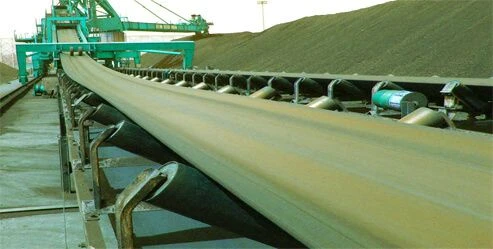
Conveyor lines have come a long way since their inception in the late 18th century. What started as basic wooden or leather belts powered by hand cranks has evolved into sophisticated systems that incorporate advanced materials, automation, and cutting-edge technologies. Today, conveyor lines are an integral part of numerous industries, facilitating the seamless movement of materials, components, and products throughout the manufacturing process.
Enhancing Productivity in Manufacturing
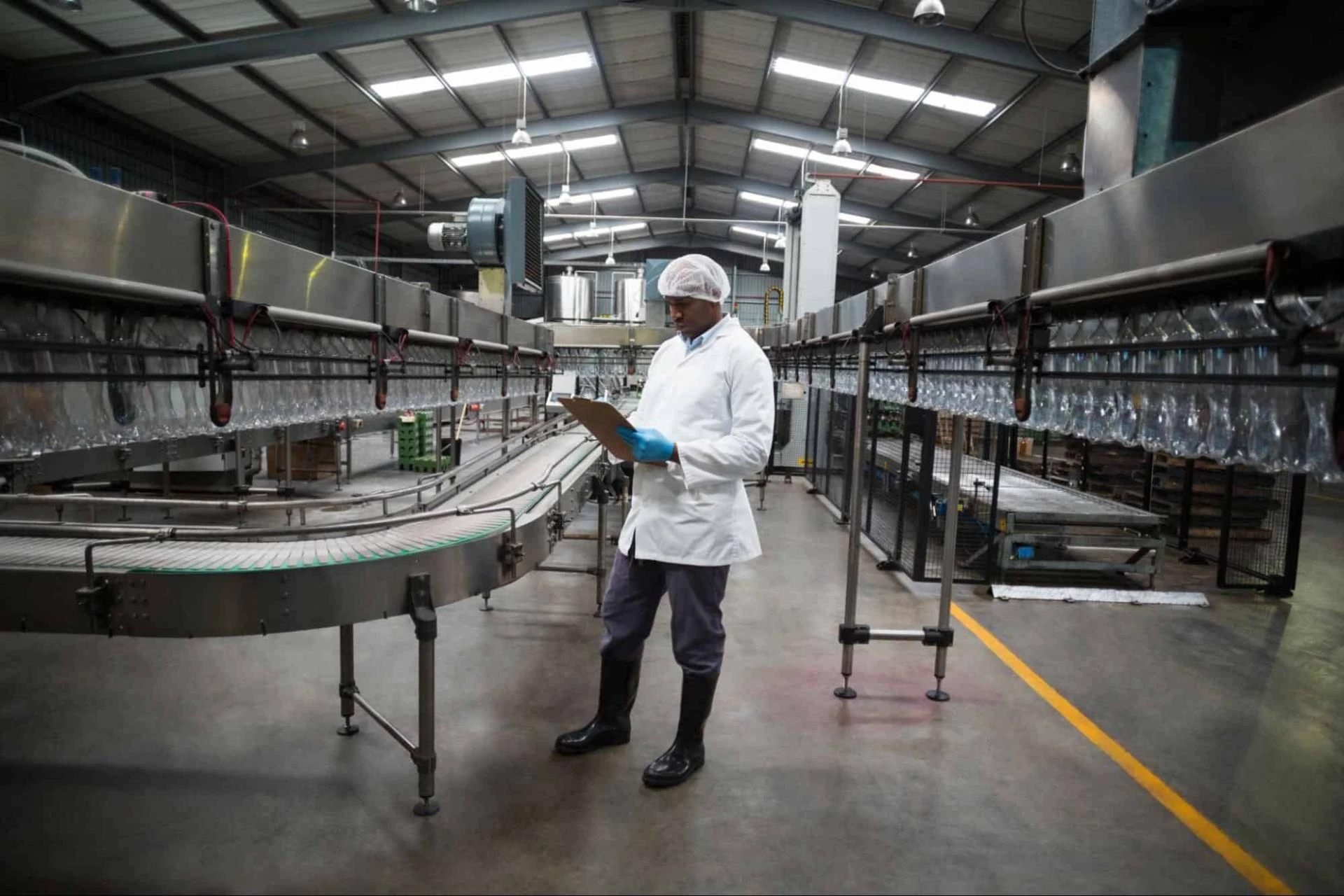
Food Processing : Conveyor lines have transformed food processing, enabling mass production while maintaining strict hygiene standards. From sorting fruits and vegetables to packaging ready-to-eat meals, conveyor systems ensure consistent product quality and adherence to safety regulations.
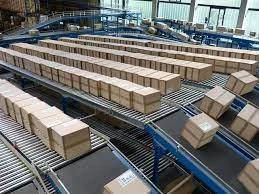
E-commerce Warehouses : The explosion of online shopping has led to a surge in demand for conveyor lines in e-commerce fulfillment centers. These systems help pickers and packers efficiently locate and ship products, drastically reducing order processing times.
Manufacturing Electronics : Conveyor lines play a pivotal role in the electronics industry by facilitating the assembly of intricate components on printed circuit boards. The precision and speed of these systems are crucial for meeting consumer demands for the latest gadgets.
Automation and Integration
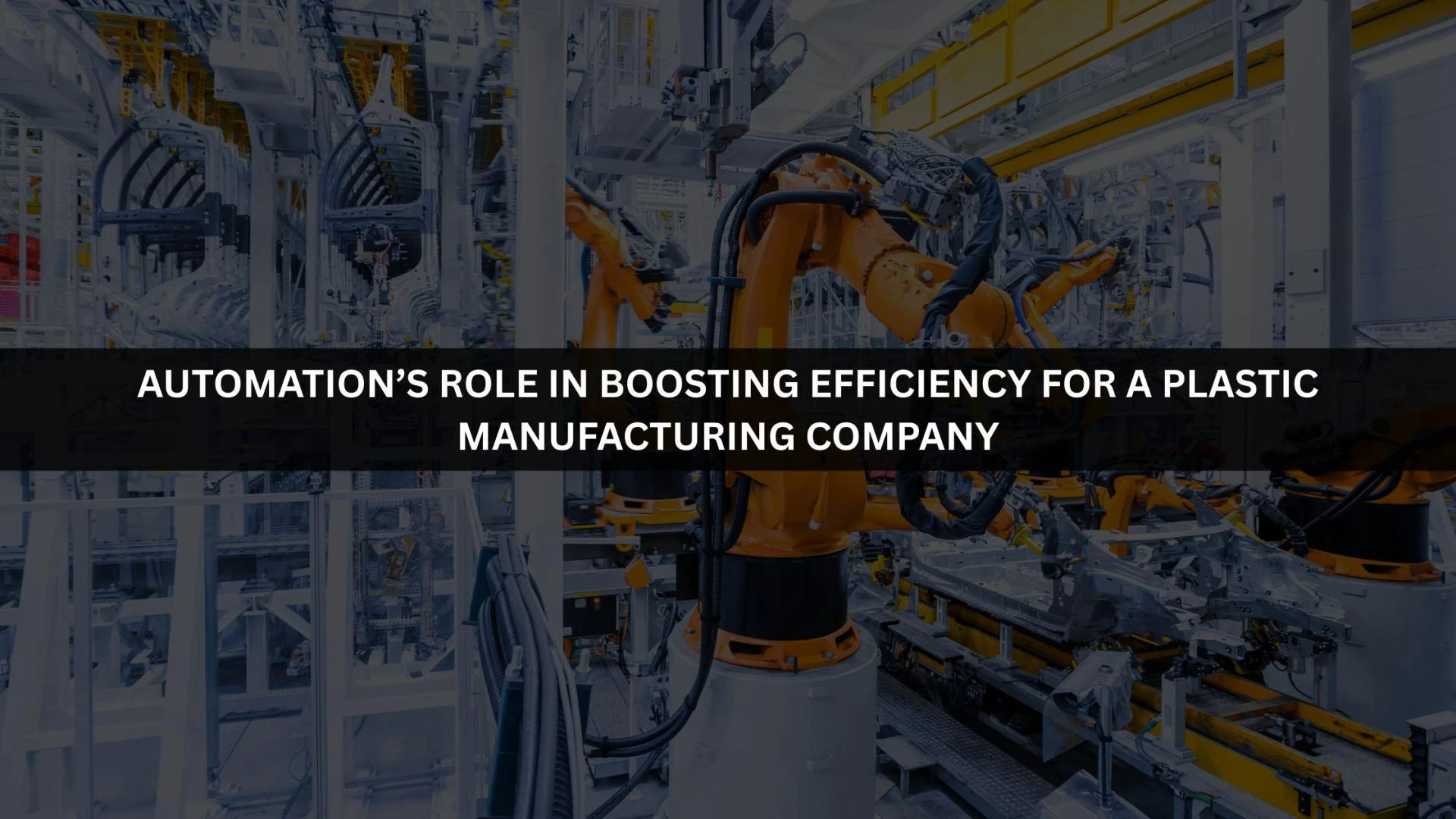
Modern conveyor lines are not limited to mere transportation; they are increasingly becoming smarter and more adaptable. Automation technologies, such as sensors, robotics, and AI, have been integrated into conveyor systems to enhance their functionality. These advancements enable real-time monitoring, predictive maintenance, and adaptive processes that respond to changing production needs.
Environmental Sustainability
Conveyor lines are not just about efficiency; they also contribute to environmental sustainability. By optimizing material movement and reducing the need for internal combustion engines, conveyor systems help cut energy consumption and greenhouse gas emissions. This aligns with the growing emphasis on sustainable manufacturing practices.
Challenges and Considerations
While conveyor lines offer numerous benefits, they also present challenges. Maintenance and repair are critical to prevent downtime, and proper training is essential for employees working with these systems. Additionally, the initial investment in conveyor technology can be significant, requiring careful planning and cost analysis.
Conclusion
In the dynamic world of manufacturing, conveyor lines have proven to be indispensable tools for improving efficiency, reducing costs, and maintaining quality standards. As technology continues to advance, we can expect even more innovative features and greater integration with other production processes. To stay competitive, companies across industries must recognize the pivotal role that conveyor lines play in modern manufacturing and invest in them wisely.
At M3Tech, we understand the importance of conveyor line in optimizing manufacturing processes. Our state-of-the-art conveyor solutions are tailored to meet the unique needs of various industries, ensuring that businesses can achieve maximum efficiency and productivity. Contact us today to learn how our expertise can benefit your manufacturing operations.






Sign in to leave a comment.