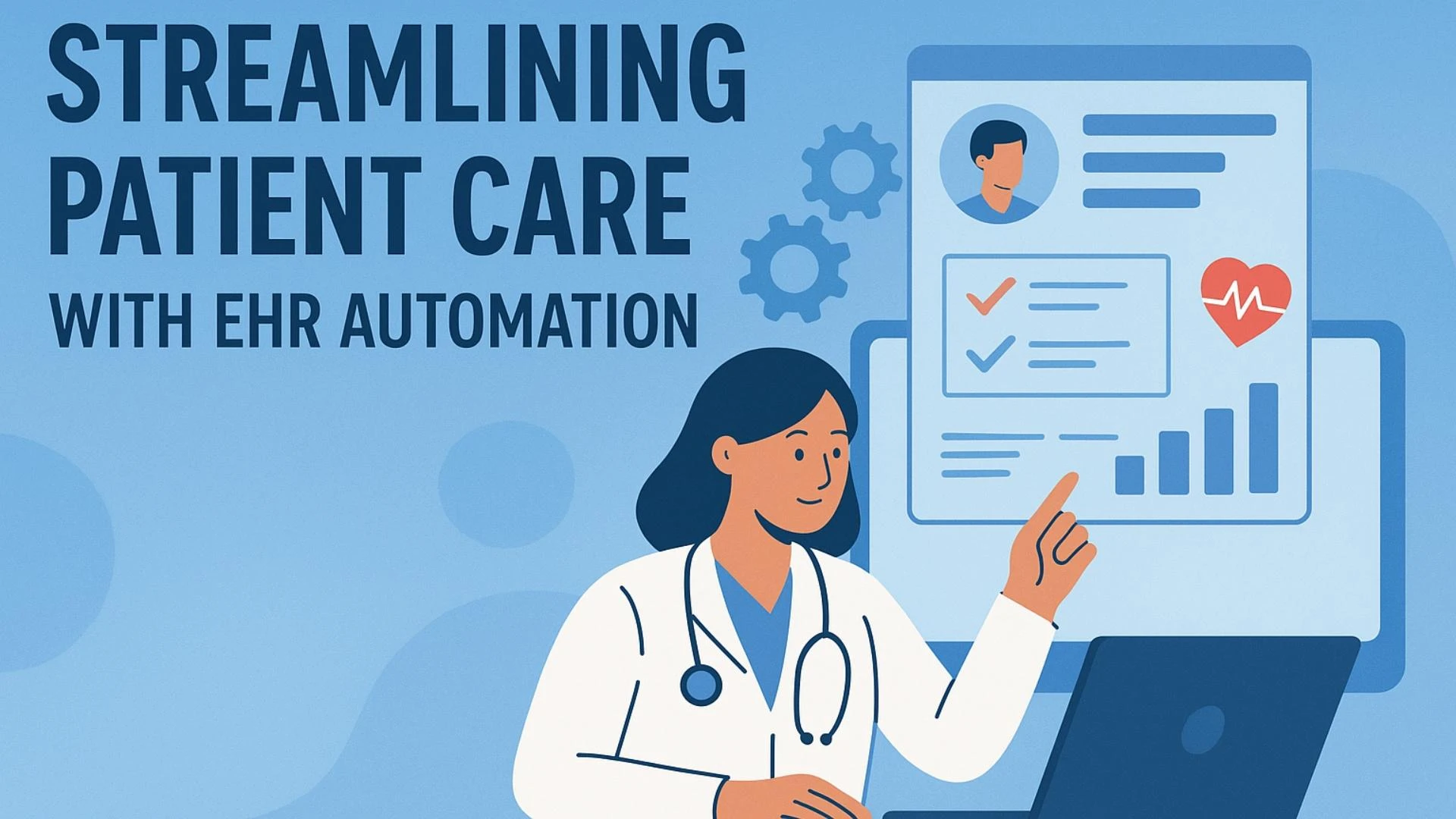

Electronic Health Records (EHR) automation is transforming healthcare by reducing administrative burdens, improving record accuracy, and streamlining clinical workflows, allowing professionals to dedicate more time to patient care. By automating tasks like data entry, scheduling, and record updates, healthcare providers can minimize errors, improve efficiency, and enhance collaboration across departments. The benefits are wide-ranging, reduced paperwork, optimized workflows, improved patient satisfaction, cost savings, and regulatory compliance, all of which reinforce the foundation of quality healthcare delivery. Custom solutions like Epic EHR automation further enable seamless integration, better patient data management, and operational efficiency, while EHR test automation ensures accuracy, compliance, and reliability by identifying potential issues before they affect patient outcomes. Despite challenges such as staff resistance or system integration hurdles, comprehensive training and proactive strategies can ensure successful adoption. Looking ahead, EHR automation will continue to evolve with AI, wearable health devices, and mobile applications, paving the way for more personalized, data-driven healthcare. Ultimately, EHR automation is not just a technological upgrade but a vital driver of patient-centered care, enabling healthcare providers to deliver safer, faster, and more effective services in an increasingly digital world.
























Sign in to leave a comment.