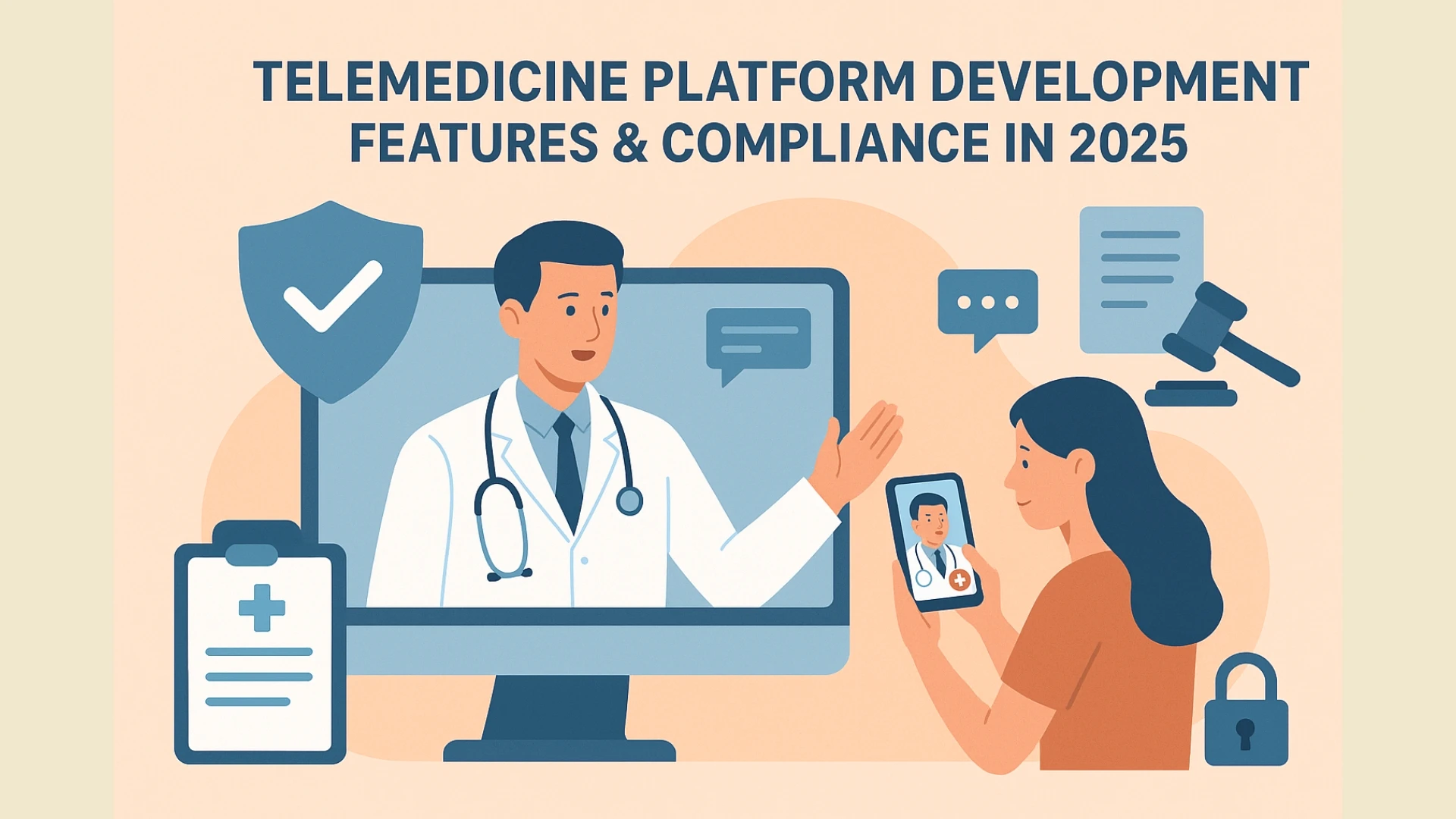

Telemedicine in 2025 has evolved into a cornerstone of modern healthcare, moving far beyond simple video calls to become full-fledged digital ecosystems that connect patients and providers anytime, anywhere. With the global market projected to surpass $225 billion, today’s platforms integrate AI-driven symptom checkers, EHR interoperability, wearable device monitoring, multilingual support, and secure payment systems—all while ensuring compliance with HIPAA, GDPR, PIPEDA, and other international regulations. For patients, this means instant appointment booking, access to e-prescriptions, continuous health monitoring, and seamless virtual consultations, while healthcare providers benefit from streamlined workflows, cost savings, and scalable business models. Developing a telemedicine platform now requires not only advanced technology but also compliance-first architecture, intuitive design, and robust data security to meet rising patient expectations for accessibility and transparency. Despite challenges like regulatory complexity, cybersecurity risks, and integration with legacy systems, future-ready innovations such as blockchain medical records, VR therapy, AI-driven personalized care, and 5G-powered consultations are paving the way for safer, faster, and more effective digital healthcare delivery. In short, telemedicine is no longer optional; it is the foundation of future healthcare, and organizations investing in it today will thrive in the digital-first ecosystem of tomorrow.






























Sign in to leave a comment.