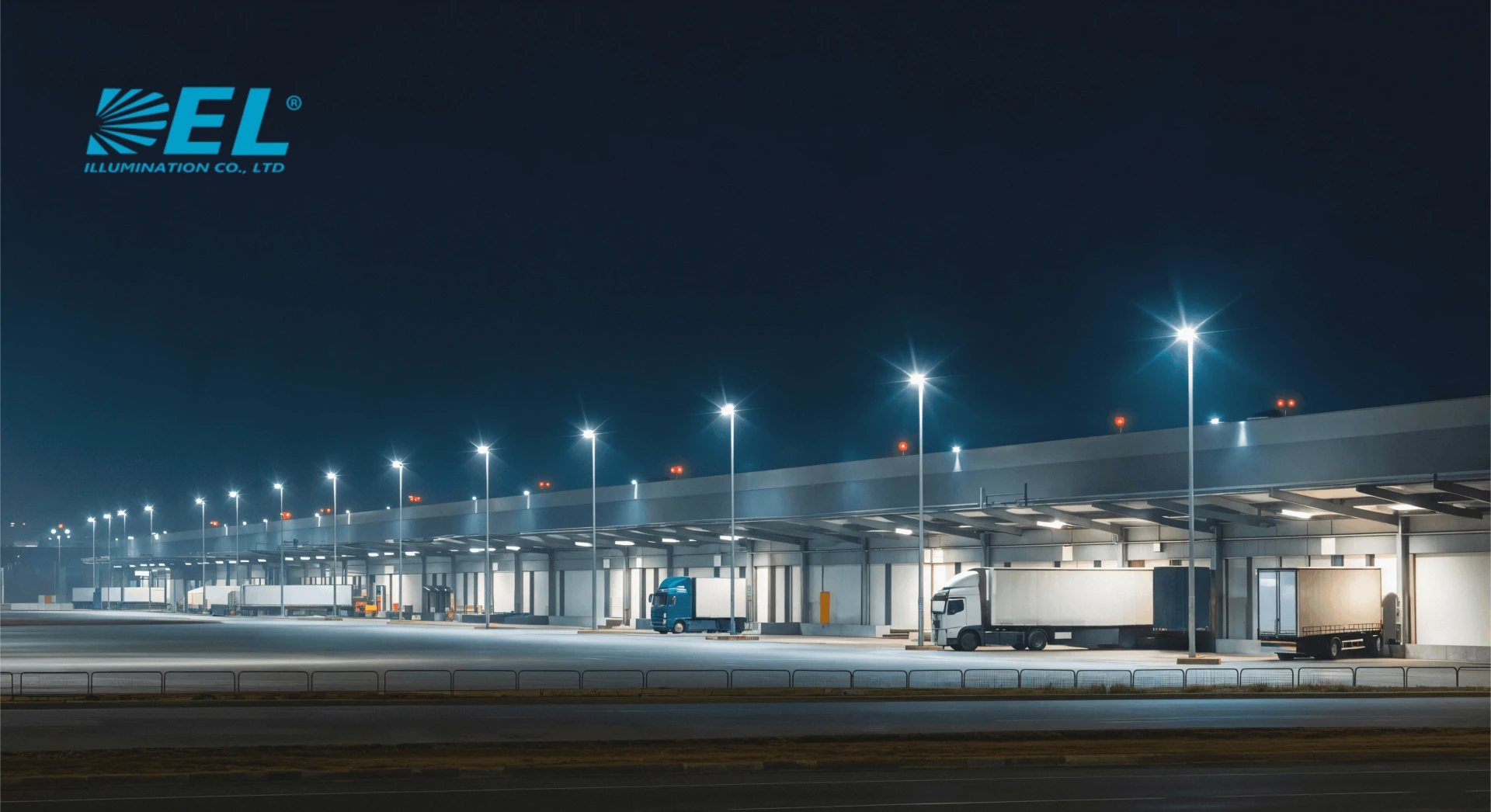

As cities worldwide grapple with rising energy costs, aging electrical infrastructure, and mounting pressure to reduce carbon emissions, street light solar LED systems have emerged as the definitive solution for sustainable urban illumination. This revolutionary technology combines the efficiency of Light Emitting Diode (LED) fixtures with autonomous solar power generation, creating lighting systems that operate independently of electrical grids while delivering superior performance and dramatic cost savings. According to the United Nations Environment Programme, transitioning to LED technology combined with renewable energy sources like solar power can reduce urban lighting energy consumption by up to 80%, making street light solar LED installations one of the most impactful infrastructure improvements municipalities can implement. This transformation is reshaping urban landscapes from Stockholm to Singapore, from Los Angeles to Lagos, proving that sustainable technology and superior performance are not mutually exclusive but rather complementary objectives.
Understanding Street Light Solar LED Technology
The integration of solar photovoltaic panels with LED lighting represents an engineering achievement that addresses multiple urban challenges simultaneously. Traditional street lighting consumes approximately 40% of a typical city's electricity budget according to the International Energy Agency, creating both financial burden and environmental impact through fossil fuel-generated electricity consumption.
Street light solar LED systems eliminate these concerns entirely by generating power on-site through photovoltaic panels during daylight hours, storing energy in advanced battery systems, and delivering illumination through highly efficient LED fixtures during darkness. This closed-loop system operates completely independently, requiring no trenching for electrical cables, no monthly utility bills, and minimal maintenance intervention.
The LED Advantage in Solar Street Lighting
LED technology has revolutionized the efficiency equation in outdoor lighting. While traditional high-pressure sodium (HPS) lamps achieve approximately 80-100 lumens per watt, modern LED fixtures deliver 140-170 lumens per watt—nearly double the efficiency. This dramatic improvement means solar panels and batteries can be sized significantly smaller while delivering equivalent or superior illumination levels.
Beyond raw efficiency, LEDs offer exceptional longevity with operational lifespans exceeding 50,000 hours—equivalent to over 11 years of nightly operation. This extended lifespan drastically reduces maintenance requirements and replacement costs, particularly valuable in remote or difficult-to-access installations.
The directional nature of LED light emission provides another crucial advantage. Traditional bulbs emit light omnidirectionally, requiring reflectors that absorb 30-40% of generated light. LEDs emit light in specific directions, allowing precise optical control that places illumination exactly where needed—on roadways and pedestrian paths—rather than wasting energy illuminating the sky or adjacent properties.
Solar Integration: Energy Independence for Urban Lighting
Photovoltaic technology has experienced remarkable cost reductions and efficiency improvements over the past decade. Solar panel prices have declined approximately 90% since 2010 according to the International Renewable Energy Agency (IRENA), while conversion efficiency has steadily increased. Modern monocrystalline panels achieve 20-23% efficiency, meaning nearly one-quarter of solar energy striking the panel converts to usable electricity.
For street light solar LED applications, this efficiency translates to compact panel designs capable of powering high-output lighting systems. A typical 40-watt LED fixture operating 12 hours nightly requires approximately 480 watt-hours daily. A quality 100-watt solar panel receiving 5-6 peak sun hours generates 500-600 watt-hours, providing adequate energy even accounting for system losses and battery charging inefficiencies.
Advanced Maximum Power Point Tracking (MPPT) charge controllers optimize energy harvest by continuously adjusting electrical load to extract maximum available power from solar panels across varying temperature and irradiation conditions. This intelligent power management can improve energy capture by 20-30% compared to basic charge controllers.
Battery Technology: Reliable Energy Storage
Energy storage represents the critical link between daytime solar generation and nighttime illumination demand. The transition from traditional lead-acid to lithium-based battery chemistry has dramatically improved street light solar LED system performance and reliability.
Lithium iron phosphate (LiFePO4) batteries offer exceptional advantages including 2,500-5,000 charge cycles (compared to 500-800 for lead-acid), superior temperature tolerance (-20°C to +60°C operating range), and minimal capacity degradation over time. These batteries maintain over 80% of original capacity after 5-7 years of daily cycling, ensuring consistent performance throughout their operational life.
Sophisticated Battery Management Systems (BMS) protect against overcharging, excessive discharge, temperature extremes, and cell imbalance—common failure modes in battery systems. Real-time monitoring provides early warning of potential issues, enabling proactive maintenance before complete system failure occurs.
Environmental and Economic Impact
The environmental benefits of street light solar LED technology extend far beyond zero operational emissions. Lifecycle analysis reveals that the carbon footprint of manufacturing and installing solar LED street lights is typically offset within 1-2 years of operation through avoided fossil fuel electricity consumption.
Cities implementing comprehensive solar LED street lighting report dramatic financial benefits. The elimination of electricity costs—often $80-150 annually per conventional fixture—creates immediate savings. A municipality with 1,000 street lights can save $80,000-150,000 yearly on electricity alone, recovering installation investment within 4-7 years while enjoying decades of continued savings.
Reduced maintenance requirements compound these savings. LED longevity eliminates frequent bulb replacement, while solar power eliminates electrical infrastructure maintenance. Total maintenance costs typically decrease 60-70% compared to conventional street lighting systems.
Smart Features and Modern Capabilities
Contemporary street light solar LED systems incorporate intelligent features that optimize performance and expand functionality. Motion sensors enable adaptive dimming—lights operate at 30% capacity during low-activity periods, ramping to full brightness when vehicles or pedestrians approach. This intelligent operation extends battery autonomy from the typical 3-5 days to over a week during cloudy conditions.
IoT connectivity allows remote monitoring and control through cellular or LoRaWAN networks. Municipalities can monitor individual fixture performance, detect failures instantly, adjust dimming schedules based on seasonal patterns or special events, and collect data on actual usage patterns informing future infrastructure planning.
Some advanced systems integrate additional sensors for air quality monitoring, traffic counting, or public Wi-Fi hotspot provision, transforming simple lighting infrastructure into multifunctional smart city assets.
Installation Advantages and Deployment Speed
The autonomous nature of solar LED street lights dramatically simplifies installation compared to grid-connected alternatives. Conventional street lighting requires extensive trenching for electrical conduits, connection to existing electrical infrastructure, transformer installation, and coordination with utility companies—processes that can extend installation timelines to weeks or months per project.
Solar street lights install in hours rather than weeks. Foundation excavation, pole installation, and fixture mounting constitute the entire process—no electrical infrastructure required. This simplified installation proves particularly valuable in retrofit situations where trenching would disrupt established roadways, landscaping, or underground utilities.
Remote and off-grid locations benefit most dramatically. Communities lacking electrical infrastructure can implement comprehensive street lighting without the prohibitive cost of extending power lines—an expense that often exceeds $50,000-100,000 per kilometer in challenging terrain.
Global Adoption and Success Stories
Cities worldwide demonstrate the viability and benefits of street light solar LED technology. Rural communities across sub-Saharan Africa have leapfrogged traditional grid-dependent infrastructure, installing solar LED systems that provide reliable illumination for the first time. Indian municipalities have deployed over 200,000 solar street lights as part of national renewable energy initiatives.
Developed nations equally embrace this technology—California cities install solar LED street lighting to reduce grid demand during peak periods, European municipalities implement systems meeting dark-sky certification requirements that minimize light pollution, and Middle Eastern cities leverage abundant solar resources for extensive public lighting networks.
Conclusion
Street light solar LED technology represents a rare convergence where environmental responsibility, economic prudence, and superior performance align perfectly. As solar panel efficiency continues improving, battery technology advances, and LED efficacy increases, these systems become increasingly compelling for municipalities, developers, and communities worldwide. The transition from conventional street lighting to solar LED solutions is not merely an environmental gesture but a financially sound infrastructure investment delivering immediate operational savings, enhanced reliability, simplified maintenance, and decades of sustainable service. Cities embracing this technology today position themselves as leaders in the inevitable global transition toward renewable, resilient, and environmentally responsible urban infrastructure while simultaneously reducing costs and improving services for citizens.




























Sign in to leave a comment.