
The Importance of Self-Work in Relationships
Building and maintaining a healthy relationship takes effort, communication, and understanding. However, many people overlook one crucial aspect of a successful relationship — the work you do on yourself. It's easy to focus on fixing relationship issues directly, but true and lasting improvement often starts with individual growth.
If you find yourself feeling misunderstood, facing communication issues, or stuck in negative patterns with your partner, it may be time to turn inward. Individual relationship counseling can help you understand your emotional needs, develop better communication skills, and uncover underlying issues that may be affecting your relationship.
In a city like New York, where the pace of life is fast and relationships are often tested by stress, work demands, and social pressures, investing in personal growth through therapy can make all the difference. Working on yourself first doesn’t mean ignoring your partner's needs — it means becoming a more self-aware, emotionally intelligent, and confident individual so you can bring your best self to the relationship.
Why Self-Work Matters in Relationships
While relationships involve two people, your emotional health and self-awareness play a major role in how you relate to your partner. Strengthening your relationship starts with understanding yourself better. Here’s why self-work is so powerful:
1. Increased Emotional Intelligence
When you understand your emotions and reactions better, you're able to communicate more clearly and effectively with your partner. Individual relationship counseling helps you identify emotional triggers and patterns, allowing you to manage your responses rather than reacting impulsively.
2. Stronger Boundaries
Healthy relationships are built on mutual respect and clear boundaries. Therapy helps you establish and maintain these boundaries without feeling guilt or resentment, which creates a more balanced and harmonious connection.
3. Self-Confidence and Independence
When you rely on your partner for validation or emotional support, it can create pressure and imbalance in the relationship. Working on your own confidence through therapy ensures that you feel whole and secure within yourself, leading to a more independent and healthier dynamic.
4. Breaking Toxic Patterns
Sometimes, unresolved issues from past relationships or childhood experiences create toxic cycles in your current relationship. Therapy helps you uncover these patterns and gives you tools to break free from them, fostering a more positive connection with your partner.
5. Improved Communication Skills
Expressing your needs, listening actively, and managing conflict are essential for a strong relationship. Individual therapy equips you with the tools to communicate openly and constructively with your partner, even during difficult conversations.
How Individual Relationship Counseling Helps
Individual relationship counseling focuses on helping you grow as an individual while improving your connection with your partner. In a city like New York, where relationship challenges are often intensified by external pressures, working with the best relationship therapist NYC can provide valuable insights and tools.
1. Self-Discovery and Personal Growth
Therapy provides a space to explore your thoughts, emotions, and past experiences. A therapist helps you identify your core values, emotional needs, and personal goals — which in turn helps you navigate your relationship with more clarity and confidence.
2. Managing Anxiety and Insecurity
Feeling anxious or insecure in a relationship can lead to jealousy, clinginess, or conflict. Through therapy, you can explore the root causes of these feelings and develop healthier coping mechanisms.
3. Healing from Past Trauma
Unresolved trauma from previous relationships or family dynamics can influence how you relate to your partner. Therapy helps you process these experiences and prevents them from impacting your current relationship.
4. Building Conflict Resolution Skills
Learning how to handle disagreements without escalating into arguments is essential for relationship health. A therapist guides you in identifying your conflict style and teaches you effective techniques for de-escalating tension and finding solutions together.
5. Aligning Individual and Relationship Goals
Through therapy, you can clarify your personal goals and values while finding ways to align them with your partner’s. This helps create a sense of shared purpose and long-term compatibility.
Finding the Right Therapist for Individual Relationship Counseling
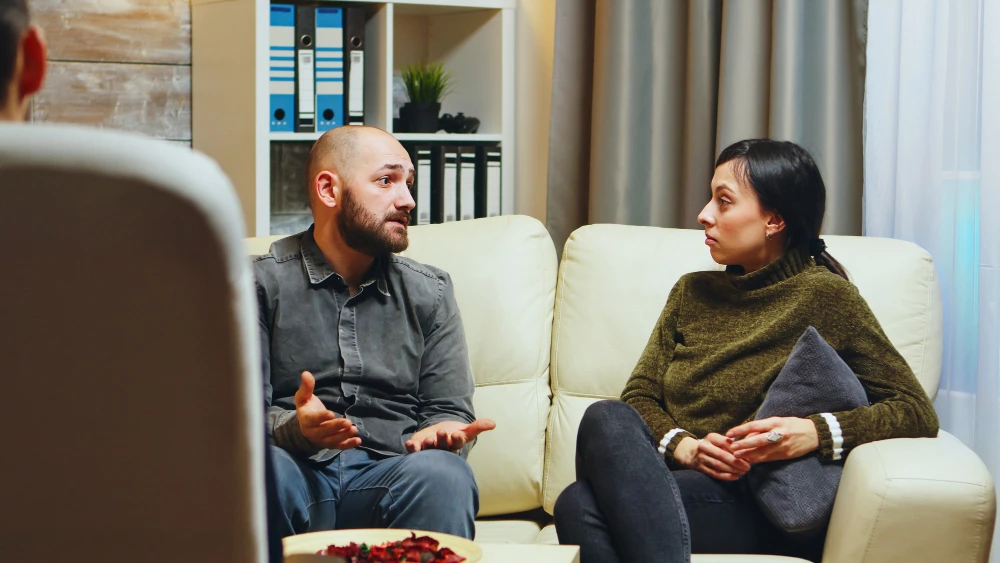
Choosing the right therapist is a key step in your self-improvement journey. New York City offers a wide range of therapy options, but it’s important to find someone who specializes in relationship issues and understands the unique dynamics of living in NYC.
Factors to Consider:
- Experience and Credentials – Look for therapists with experience in individual and relationship counseling.
- Approach and Style – Different therapists use varying approaches, such as Cognitive Behavioral Therapy (CBT), Psychodynamic Therapy, or Emotionally Focused Therapy (EFT). Find one that fits your comfort level.
- Location and Accessibility – Consider the therapist’s location and whether they offer in-person or virtual sessions. Therapy Connect NYC is a great resource for finding therapists near you.
- Personal Comfort – Trust and comfort are essential for effective therapy. It may take a few sessions to determine if a therapist is the right fit for you.
If you’re looking for expert guidance, Connection Counseling is one of the top-rated therapy centers in NYC. Their experienced therapists specialize in individual and relationship counseling, offering a supportive space where you can explore your challenges and build stronger relationship foundations.
Taking the First Step Toward a Stronger Relationship
Working on yourself is not a selfish act — it’s an investment in your relationship’s future. Individual therapy allows you to grow emotionally, communicate more effectively, and navigate relationship challenges with confidence.
If you feel like your relationship is facing obstacles or you want to become more self-aware, consider starting with individual relationship counseling. Improving yourself first creates a positive ripple effect, strengthening your relationship and fostering deeper emotional intimacy.
Whether you’re seeking to overcome communication issues, rebuild trust, or simply become more confident in your relationship, taking the step toward personal growth is a powerful and rewarding choice. With the help of a professional therapist, you can achieve greater clarity, emotional strength, and a healthier, more fulfilling relationship.
FAQs
1. How does individual relationship counseling differ from couples therapy?
Individual relationship counseling focuses on personal growth and self-awareness, helping you understand how your behaviors and emotions affect your relationship. Couples therapy, on the other hand, involves both partners working together to address relationship issues.
2. Can individual therapy improve my relationship even if my partner isn’t involved?
Yes. Working on yourself can lead to better communication, emotional regulation, and self-awareness, which positively impacts your relationship even if your partner isn’t in therapy.
3. How long does it take to see results from individual therapy?
Progress varies depending on the issues being addressed and the therapy approach. Some individuals notice positive changes in communication and emotional health within a few weeks, while deeper issues may take longer.
4. How can I find the best relationship therapist NYC?
Research therapist reviews, ask for recommendations, and consider consulting with different therapists to find the right fit. Connection Counseling is a trusted option for relationship-focused therapy in NYC.
5. Is therapy confidential?
Yes. All therapy sessions are confidential, and therapists are bound by professional guidelines to protect your privacy.

























Sign in to leave a comment.