
In today’s digital landscape, businesses of all sizes face increasing cybersecurity threats. From ransomware attacks to phishing scams, the risks are ever-evolving. Effective cyber hygiene is critical for safeguarding your IT assets, ensuring business continuity, and protecting sensitive data. Companies that neglect basic cybersecurity practices are more vulnerable to breaches that can lead to financial loss, reputational damage, and legal consequences.
What is Cyber Hygiene?
Cyber hygiene refers to a set of practices and measures that organizations implement to maintain the health, security, and integrity of their IT systems. It involves routine monitoring, updating, and maintenance of digital infrastructure to reduce the risk of cyberattacks. Just as personal hygiene keeps the body healthy, cyber hygiene keeps your business systems secure and resilient against threats.
Key Components of Cyber Hygiene
A robust cyber hygiene program includes multiple layers of protection:
- Regular Software Updates and Patch Management: Keeping operating systems, applications, and security software up to date is essential to close vulnerabilities that cybercriminals could exploit.
- Strong Password Policies and Authentication: Enforcing complex passwords, multi-factor authentication, and regular password changes reduces the risk of unauthorized access.
- Data Backup and Recovery Plans: Regularly backing up critical data ensures that your business can recover quickly in case of a cyber incident.
- Network Monitoring and Threat Detection: Continuous monitoring of network activity helps detect unusual behavior or intrusion attempts early.
- Employee Training and Awareness: Educating staff about phishing, malware, and safe browsing habits strengthens the first line of defense.
The Role of Centralized Cybersecurity Platforms
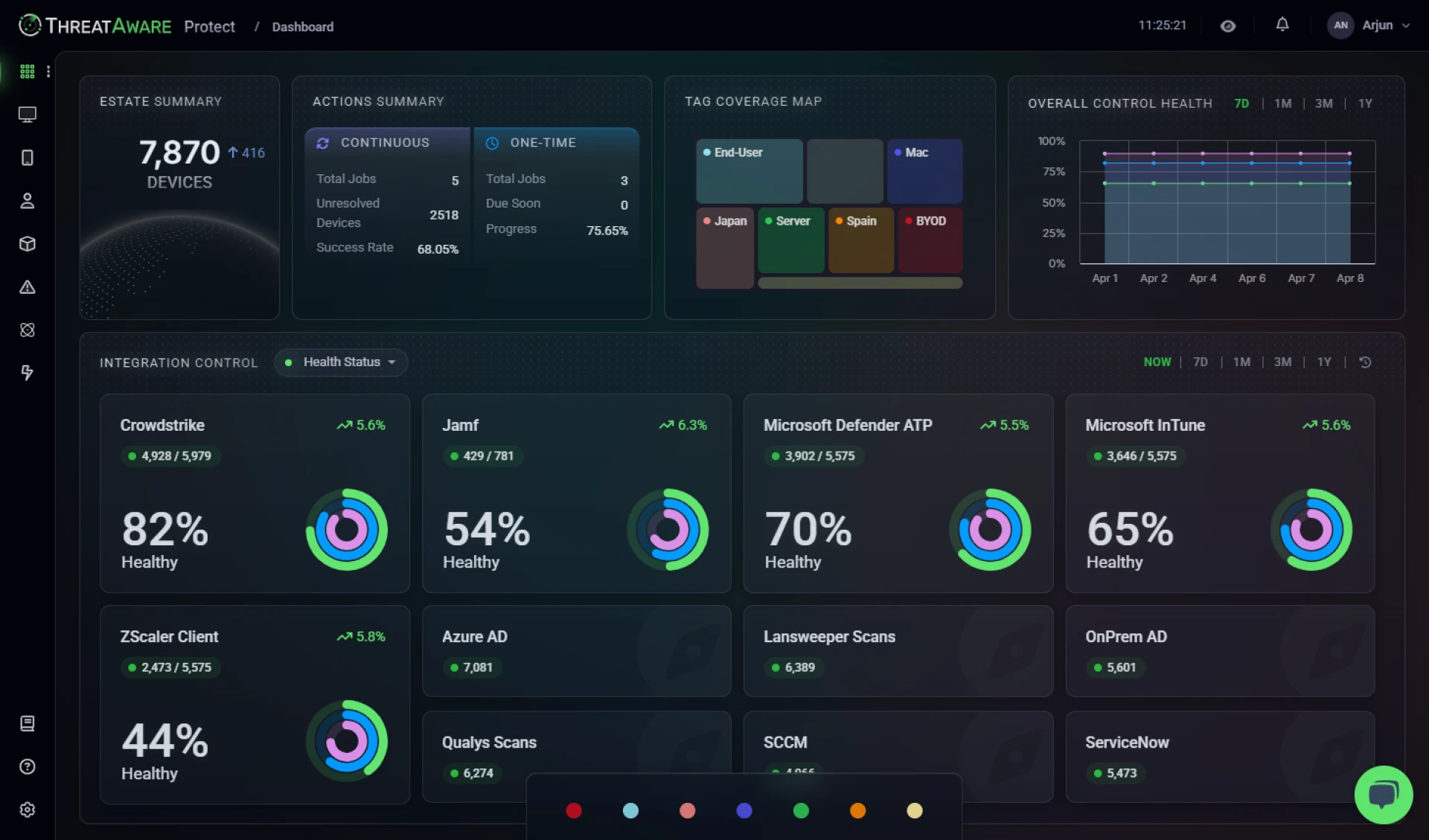
Centralized cybersecurity platforms, like ThreatAware, streamline cyber hygiene management by integrating multiple security functions into a single dashboard. These platforms enable IT teams to monitor devices, enforce security policies, detect threats in real-time, and respond to incidents efficiently. By consolidating security tools, organizations can reduce complexity, improve visibility, and maintain consistent protection across all endpoints.
Benefits of Maintaining Good Cyber Hygiene
Investing in strong cyber hygiene practices provides significant benefits for businesses:
- Reduced Risk of Cyberattacks: Regular monitoring and updates help close security gaps before they can be exploited.
- Improved Compliance: Many industries require adherence to cybersecurity standards; proper cyber hygiene ensures compliance with regulations.
- Enhanced Business Continuity: Efficient backup and recovery plans minimize downtime in case of security incidents.
- Employee Confidence: Staff can work securely, knowing that organizational data and systems are protected.
Conclusion
Maintaining proper cyber hygiene is no longer optional; it is a necessity for businesses in an increasingly connected world. By implementing routine security practices and leveraging centralized cybersecurity platforms like ThreatAware, organizations can protect their IT assets, prevent cyber incidents, and ensure long-term operational resilience. Schedule a demo today to see how streamlined security management can safeguard your business and enhance overall cyber hygiene.






























Sign in to leave a comment.