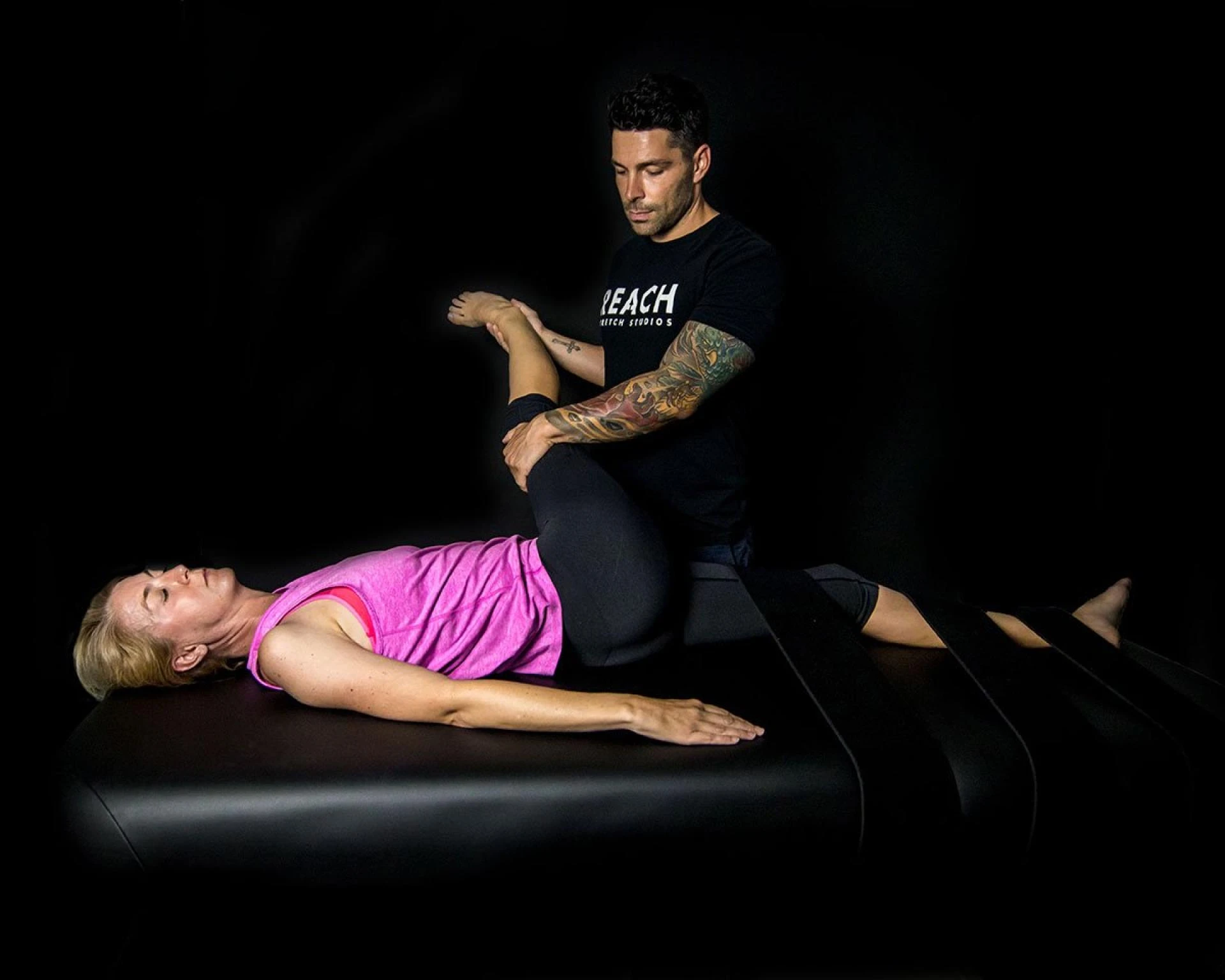

Are you tired of living with chronic pain and stiffness? Do you feel like you've tried everything to alleviate your discomfort but nothing seems to work? It's time to discover the secret weapon: stretch therapy. This innovative approach to relieving pain and improving flexibility has been gaining popularity amongst athletes, fitness enthusiasts, and anyone looking for a healthier lifestyle. In this blog post, we'll explore what stretch therapy is, how it works, and why it might just be the solution you've been searching for. Get ready to say goodbye to soreness and hello to a more limber body!
Introduction to Stretch Therapy
Stretch therapy is a form of physical therapy that uses stretching exercises to improve range of motion and flexibility. It is often used to treat conditions such as back pain, neck pain, and joint stiffness.
Stretch therapy can be done with the help of a therapist, or at home with the guidance of an instructional video or book. The stretches should be gentle and slow, and should not cause pain. It is important to warm up before stretching, and to cool down afterwards.
Regular stretching can help to relieve chronic pain and stiffness, increase range of motion, and improve overall flexibility.
Benefits of Stretch Therapy
Chronic pain and stiffness can be extremely debilitating, and often lead to a decrease in quality of life. Stretch therapy can help to relieve these symptoms, and improve overall wellbeing.
Stretch therapy is a form of physical therapy that focuses on stretching the muscles and soft tissues. This type of therapy can help to improve range of motion, flexibility, and reduce pain. Stretch therapy can also help to improve posture, alleviate stress, and increase energy levels.
One of the main benefits of stretch therapy is that it is a non-invasive treatment option. There is no need for surgery or medication, and it can be done in the comfort of your own home. Stretch therapy is also relatively affordable, and can be adapted to suit any budget.
If you are suffering from chronic pain or stiffness, then stretch therapy could be the answer you have been looking for. With its many benefits, it is definitely worth considering as a treatment option.
What is Necessary for Effective Stretch Therapy?
In order to get the most out of stretch therapy, it is important to understand a few key things. First, it is important to know that stretching should be done gradually and gently. It should never be done to the point of pain. Second, stretching should be done consistently in order to see results. This means making it part of your daily routine, or at least doing it several times per week. Third, it is important to use proper form when stretching. This means ensuring that you are using the correct muscles and using good technique. Finally, it is important to listen to your body and stop if you feel any pain.
If you keep these things in mind, you will be well on your way to reaping the benefits of stretch therapy.
Types of Stretches You Can Do
There are many different types of stretches you can do to help relieve chronic pain and stiffness. Some of the most common stretches include:
- hamstring stretches
- quadriceps stretches
- groin stretches
- calf stretches
- shoulder stretches
- neck stretches
Hamstring Stretches:
You can do a standing hamstring stretch by placing your heel on a raised surface and keeping your leg straight. Lean forward from your hips until you feel a gentle stretch in the back of your thigh. You can also do a seated hamstring stretch by sitting on the floor with one leg straight out in front of you and the other bent with the foot placed flat on the floor. Lean forward from your hips until you feel a gentle stretch in the back of your thigh.
Quadriceps Stretches:
You can do a standing quadriceps stretch by holding onto a support with one hand and bringing your foot up behind you with the other hand. Keep your knee pointing down as you pull your foot up towards your buttock. You should feel a stretch in the front of your thigh. You can also do a seated quadriceps stretch by sitting on the floor with one leg bent and the other straight out in front of you. Reach down and hold onto your ankle, pulling your heel up towards your buttock. You should feel a stretch in the front of your thigh.
How to Incorporate Stretch Therapy Into Your Daily Routine
If you suffer from chronic pain or stiffness, stretch therapy may be the secret to relieving your symptoms. Stretch therapy is a type of physical therapy that uses stretching exercises to improve range of motion and flexibility.
There are many benefits of stretch therapy, including reducing pain, improving range of motion, and increasing flexibility. Stretch therapy can be done at home or in a physical therapy office. If you are doing stretch therapy at home, it is important to warm up before stretching. You can do this by walking for five minutes or doing some light aerobic activity.
Once you are warmed up, start with some basic stretches. These stretches should be hold for 30 seconds and repeated three times. As you become more flexible, you can increase the duration of the stretches.
Here are some examples of stretches that can be done at home:
Hamstring Stretch: Sit on the floor with your legs extended straight in front of you. Slowly lean forward from your hips until you feel a stretch in the back of your legs. Hold this position for 30 seconds and repeat three times.
Quadriceps Stretch: Stand with your feet hip-width apart and place your hand on a support for balance (a chair, countertop, etc.). Bend one knee and bring your heel toward your buttock. Use your hand to hold onto your ankle and keep your knees together. Hold this position for 30 seconds and repeat three times with each leg.
Safety Tips for Stretch Therapy
If you're looking for a way to ease chronic pain and stiffness, stretch therapy may be the answer. But as with any type of exercise, it's important to take some safety precautions. Here are a few tips to help you stay safe when stretching:
Warm up before stretching. A good warm-up will help increase blood flow to your muscles and prepare them for the stretch. Try some light cardio or dynamic stretching before starting your static stretches.
Don't force it. When stretching, only go as far as you feel comfortable. If you feel any pain, fstretch therapystop immediately. Remember that stretching should feel good, not painful.
Conclusion
Stretch therapy is an effective and natural way to relieve chronic pain and stiffness in your body. By incorporating regular stretching into your everyday routine, you can improve overall flexibility, reduce muscle tension, and maximize the range of motion in joints. It's important to start slowly so that you don't overdo it or cause additional injury. With consistency and practice, stretches for shoulders may become one of the most therapeutic activities for relieving pain and restoring full mobility.



























Sign in to leave a comment.