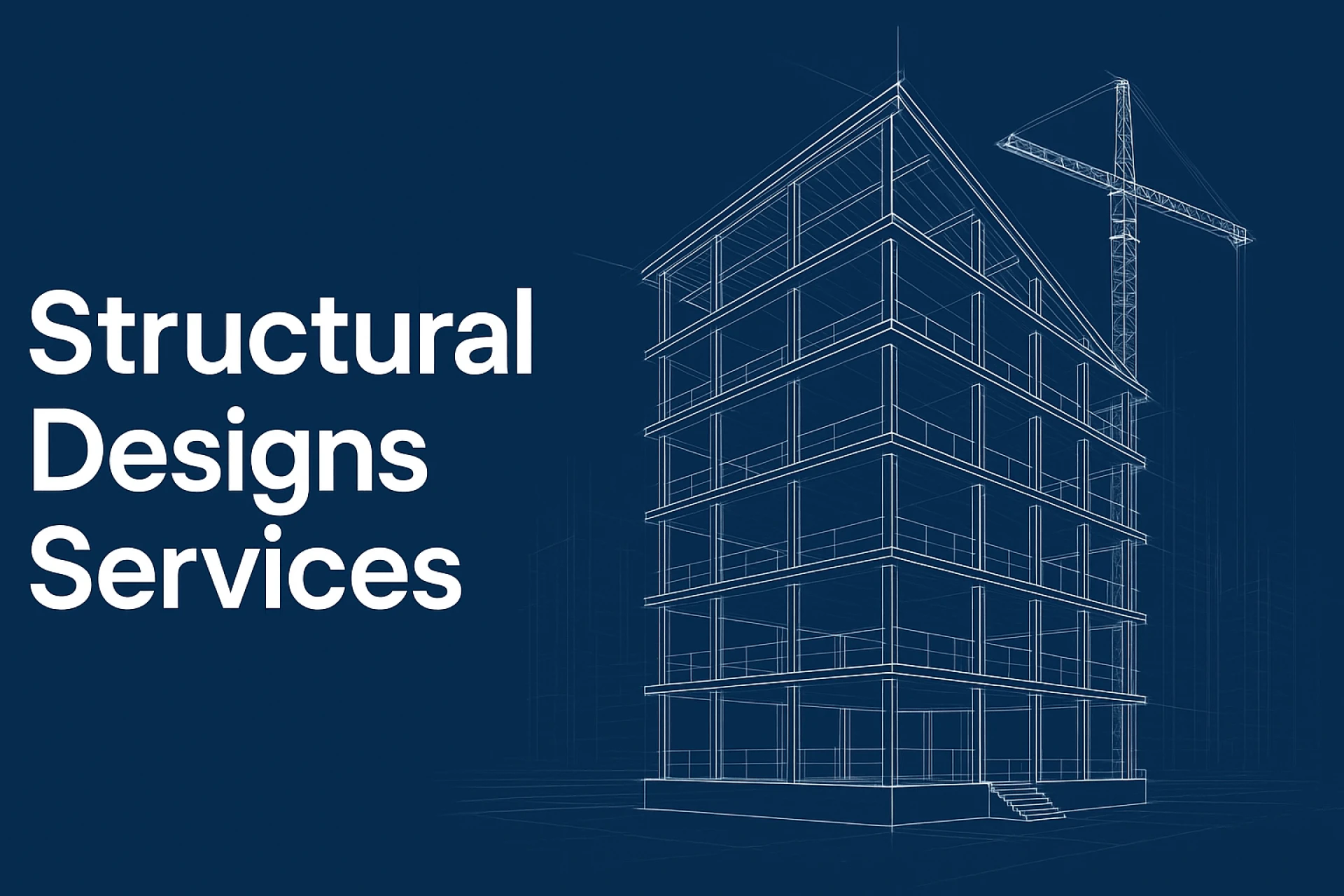
Every strong building starts with a strong structure. Whether it's a house, office tower, or industrial plant, the skeleton of the construction must be carefully planned and executed. That’s where Structural Designs Services play a crucial role. These services guarantee that the structure is strong, stable, and safe from its foundation to its roof.
In today’s competitive construction industry, investing in professional structural design is not optional—it’s essential.
What Are Structural Designs Services?
Structural Designs Services refer to the process of analyzing and designing the framework that supports a building or structure. The process involves detailed calculations, material specifications, and blueprints to ensure that the structure can withstand environmental forces, occupancy loads, and time.
From steel beams and concrete slabs to load-bearing walls and columns, every part of a structure must be engineered with precision. Structural engineers focus on:
- Load calculations
- Foundation design
- Framing layouts
- Seismic and wind analysis
- Safety and durability
The goal is to ensure the building doesn’t just look good—but lasts.
Why Structural Design is the Backbone of Every Construction Project
Modern construction is more complex than ever. With high-rises, commercial malls, and smart homes emerging across cities, structural designs must keep pace. Well-planned structural engineering services guarantee that buildings are safe, compliant with codes, and ready to endure the test of time.
Here are the key reasons structural design is critical:
- Safety First: Prevents collapse, cracks, and structural failure
- Cost-Effective: Reduces material waste and avoids rework
- Code Compliance: Meets all national and international construction standards
- Custom Solutions: Tailored to the project’s scale and environment
Owners, architects, and occupants alike can enjoy peace of mind when a building is structurally sound.
Core Components of Structural Design
A typical civil structural design process includes:
- Site Evaluation
- Soil conditions, terrain, and environmental factors are examined.
- Load Calculations
- Engineers determine how much weight the structure will bear, including live loads (people and furniture) and dead loads (walls and roof).
- Material Selection
- Based on project needs, materials like RCC (reinforced cement concrete), structural steel, or timber are selected.
- Blueprint and Drafting
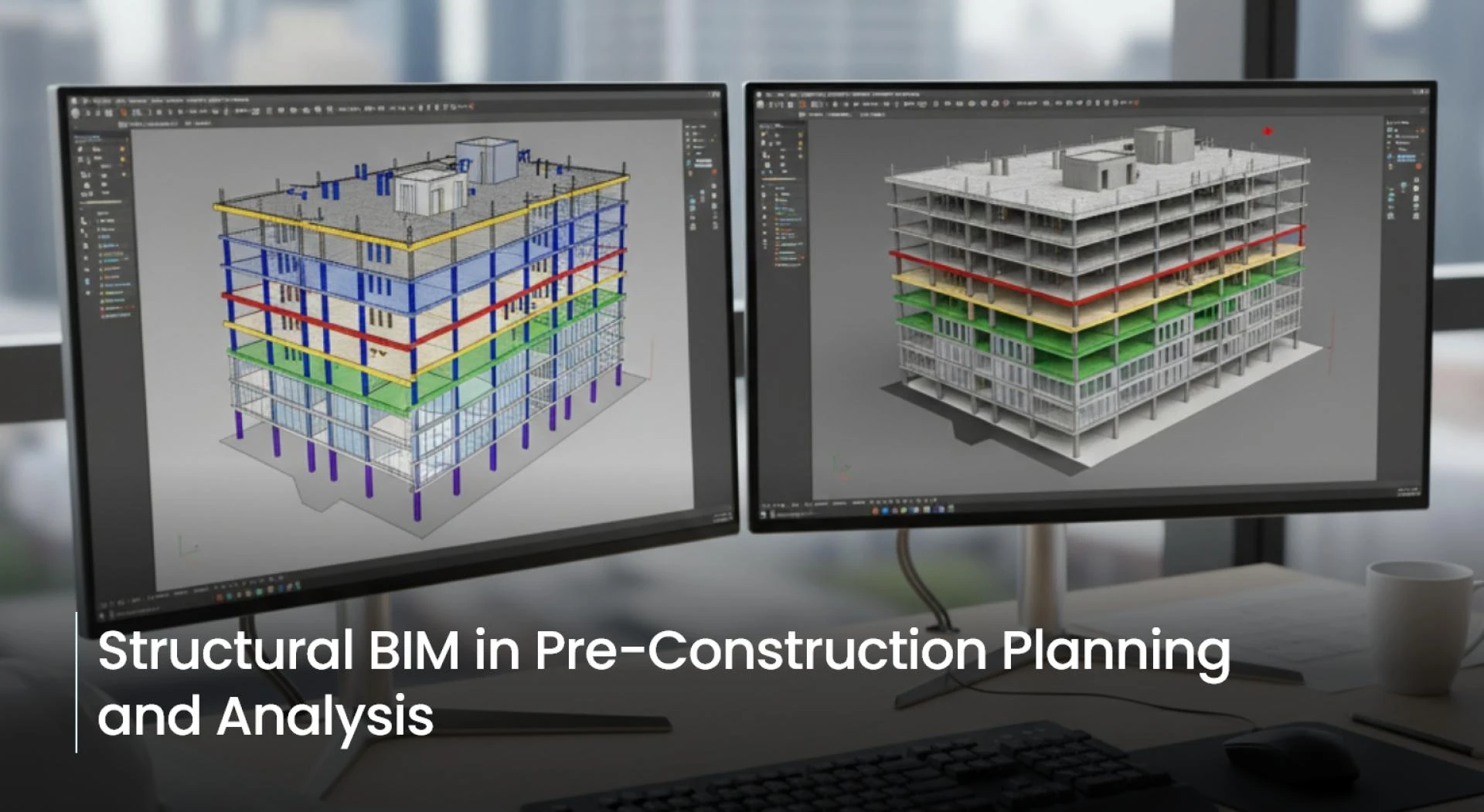
- Using CAD tools and BIM software, detailed structural plans are created.
- Compliance Checks
- Designs are aligned with IS Codes, NBC norms, and local regulations.
This thorough process ensures the building’s frame is not only strong but also optimized for cost, performance, and sustainability.
Applications of Structural Design Across Industries
Structural Designs Services are used across a range of sectors, including:
- Residential Construction: Homes, villas, and apartments
- Commercial Buildings: Malls, hotels, hospitals, offices
- Industrial Projects: Warehouses, factories, refineries
- Public Infrastructure: Bridges, flyovers, and educational institutions
Each project has unique requirements. Hence, the structural design must be tailored with precision to suit its intended purpose and location.
Choosing the Right Structural Consultants: What to Look For
Not all structural design firms offer the same level of expertise. When selecting a consultant, consider:
- Experience: Years in the industry and type of projects handled
- Technology: Use of modern tools like STAAD.Pro, ETABS, and Revit
- Team Strength: Qualified engineers, drafters, and analysts
- Communication: Clear project updates and support
- Portfolio: Case studies and successful project outcomes
Professional structural consultants bring more than calculations—they bring vision, insight, and innovation to every project.
Benefits of Structural Design Services
Hiring an experienced firm for building structural solutions comes with several benefits:
- Accuracy in Design: Reduces errors and revisions
- Optimized Resources: Efficient use of materials and labor
- Time Savings: Quick project turnarounds with minimal delays
- Durability: Designs that resist wear, weather, and time
- Reduced Liability: Minimized risk of accidents or future repairs
The result? A safe, stable, and efficient structure that supports long-term success.
Common Mistakes to Avoid in Structural Design
Even minor mistakes in structural design can result in significant issues. Here are common mistakes developers should avoid:
- Ignoring soil or seismic analysis
- Using incorrect load assumptions
- Skipping third-party reviews
- Not updating designs for revisions in architecture
- Hiring inexperienced consultants
By working with skilled professionals, these issues can be easily avoided.
FAQs on Structural Designs Services
1. How early should I involve structural design services in a project?
Ideally, at the planning stage. Early involvement helps integrate structural elements with architectural designs and saves time and cost later.
2. Are structural designs required for small residential buildings?
Yes. Even small homes need proper structural planning to ensure safety and longevity, especially in areas prone to seismic activity or heavy rainfall.
3. What documents are included in a structural design package?
Structural drawings, load calculations, material specifications, foundation plans, and safety certifications are commonly included.
4. Can structural consultants work with my architect?
Absolutely. Structural engineers often collaborate closely with architects to ensure designs are both functional and visually appealing.
5. How much do structural design services typically cost?
Costs differ based on the size and complexity of the project. However, good structural design often leads to cost savings during construction and over the building’s life span.
Conclusion
In today’s world, building structures that are safe, sustainable, and cost-efficient starts with smart design. That’s why Structural Designs Services are an essential part of any successful construction project. They combine engineering knowledge, modern tools, and design expertise to create buildings that last for generations.
For dependable and advanced structural solutions, trust the experience and excellence of Henrock Structure Associates.



Sign in to leave a comment.