Structural Repair Contractors for Concrete Spalling

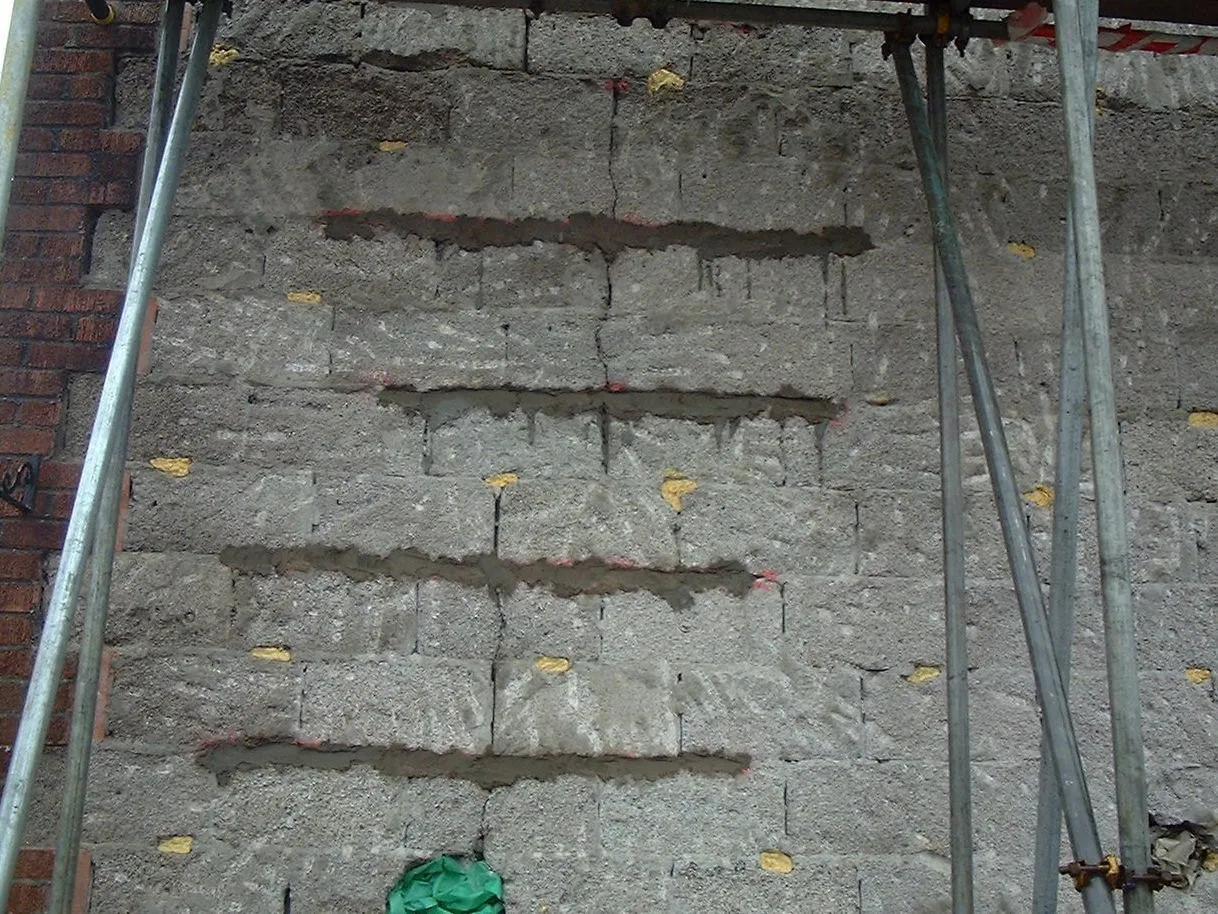
Structural problems in industrial buildings, commercial facilities, and infrastructure can develop gradually without attracting immediate attention. Small cracks, concrete deterioration, rust stains, and unusual deflection may indicate underlying issues that require investigation. Understanding these warning signs helps facility owners plan appropriate repairs before damage affects daily operations. Structural repair services involve more than correcting visible defects; they require identifying the causes, evaluating the affected components, and selecting suitable engineering solutions.
Existing structures face different challenges throughout their service life, including moisture penetration, chemical exposure, equipment vibration, changing loads, and ageing construction materials. These conditions can gradually affect concrete, reinforcement, foundations, beams, and columns. When deterioration becomes visible, property owners must determine whether ordinary maintenance is sufficient or whether specialist intervention is necessary. Understanding the repair process helps businesses make informed decisions about safety, maintenance planning, operational continuity, and long-term asset management.
What Makes Structural Repair Different from General Maintenance?
General maintenance usually addresses routine building requirements, such as painting, cleaning, replacing fixtures, or correcting minor surface defects. Structural repair focuses on damaged components that contribute to the stability, strength, or serviceability of a structure. These components may include reinforced concrete beams, columns, slabs, foundations, retaining walls, and industrial support structures. Because their performance affects the overall facility, repairs should follow a suitable technical assessment rather than relying only on visual appearance.
For example, a surface crack in a concrete floor may result from shrinkage, temperature changes, or settlement, while a crack in a load-bearing beam could indicate a more significant concern. Both conditions may appear similar to an untrained observer, but their causes and treatment can differ considerably. Structural repair contractors therefore need to investigate the defect, consider its location and pattern, and determine whether additional testing or engineering analysis is required before work begins.
Common Structural Problems in Industrial and Commercial Facilities
1. Cracks in Concrete Members
Concrete cracks can develop because of shrinkage, temperature variations, settlement, excessive loading, reinforcement corrosion, or construction defects. Their significance depends on factors such as width, depth, location, movement, and the condition of the surrounding material. Cracks around columns, beams, foundations, and structural connections deserve particular attention when they widen or appear alongside other signs of deterioration. Proper investigation helps determine whether sealing, injection, monitoring, or more extensive structural intervention is appropriate.
2. Concrete Spalling and Surface Deterioration
Concrete spalling occurs when portions of the surface loosen, crack, or break away from the main structure. It may expose reinforcement and allow moisture or aggressive substances to reach embedded steel. Industrial floors, columns, beams, and elevated concrete structures can develop spalling because of corrosion, impact, chemical exposure, or poor construction. Repairing the affected area requires identifying the extent of deterioration, removing unsound material, treating reinforcement where necessary, and restoring the concrete section appropriately.
3. Reinforcement Corrosion
Reinforced concrete depends on the interaction between concrete and embedded steel to provide the intended structural performance. When moisture, chlorides, or carbonation affect the protective environment around reinforcement, corrosion may develop. Rust formation can expand and place pressure on the surrounding concrete, leading to cracking, delamination, and spalling. In advanced cases, corrosion may reduce the steel cross-section or affect its bond with concrete. Repairs should address both the damaged section and the conditions contributing to corrosion.
4. Foundation Settlement and Movement
Foundation movement can occur because of soil changes, inadequate bearing conditions, water-related ground movement, nearby excavation, or changes in structural loading. Warning signs may include uneven floors, cracks near structural connections, distorted openings, and changes in the alignment of building elements. These symptoms do not automatically confirm foundation failure, but they justify a proper investigation. Effective corrective work depends on understanding the cause of movement and assessing the foundation, supporting soil, and structure together.
5. Damage Caused by Industrial Operations
Industrial facilities may experience mechanical vibration, repeated impact, chemical exposure, temperature changes, and loads from heavy machinery. Over time, these operating conditions can affect concrete foundations, equipment supports, floors, columns, and other structural components. Changes to production equipment may also introduce loads that were not considered in the original design. Structural assessment should consider actual operating conditions and future requirements so that recommended repairs address the facility's specific demands rather than only the visible damage.
How Structural Repair Contractors Investigate Damage
Initial Inspection and Documentation
The first stage generally involves examining the affected structure, recording visible defects, and collecting relevant information about its history and use. Engineers may review construction drawings, previous repair records, changes in equipment loads, water leakage incidents, and known environmental exposure. Photographs, measurements, crack maps, and site observations help establish a baseline for further investigation. This information supports a more organised assessment and helps distinguish isolated defects from deterioration affecting multiple structural elements.
Detailed Testing and Assessment
Depending on the observed damage, the investigation may include concrete strength testing, reinforcement detection, ultrasonic pulse velocity testing, rebound hammer testing, or corrosion-related assessments. Not every project requires every test; the selection depends on the structure, the suspected deterioration mechanism, and the decisions that need to be made. Test findings should be interpreted alongside site observations and engineering analysis. A reliable diagnosis helps determine the repair scope and reduces the risk of choosing an unsuitable treatment.
Identifying the Root Cause
Repairing visible damage without addressing its cause can lead to recurring problems. For example, replacing spalled concrete may provide only temporary improvement if water continues entering the structure and reinforcement corrosion remains active. Similarly, filling a crack may not resolve distress caused by ongoing settlement or excessive loading. A proper investigation examines the relationship between symptoms and underlying conditions, allowing engineers to recommend corrective measures that address the source of deterioration as well as its visible effects.
Important Methods Used in Structural Repair Work
Concrete Crack Injection
Injection systems are used for selected cracks when the material and technique match the condition being treated. Epoxy injection may be suitable for certain stable cracks where bonding across the crack is required. Polyurethane injection is often considered for specific water-ingress conditions, depending on the product and application. Crack movement, moisture, accessibility, and structural significance must be evaluated before selecting a system. The correct injection method depends on the repair objective, not simply the appearance of the crack.
Concrete Section Restoration
Concrete section restoration involves removing deteriorated material and rebuilding the affected portion with a compatible repair system. Depending on the damage, the work may include reinforcement exposure, cleaning, corrosion treatment, and application of repair mortar or micro-concrete. Proper substrate preparation is important because repair materials must bond adequately with the existing concrete. The repair design should also consider placement conditions, material thickness, curing, and the exposure environment to help the restored section perform as intended.
Jacketing for Structural Strengthening
Jacketing may be considered when an engineering assessment identifies the need to strengthen or modify an existing structural member. Concrete jacketing, micro-concrete jacketing, and steel jacketing are possible approaches, depending on the member, loading requirements, available space, and project constraints. These methods involve more than adding material around a column or beam; the design must address load transfer, connections, detailing, and execution. Jacketing should therefore be carried out according to an approved engineering solution.
Fibre-Reinforced Polymer Strengthening
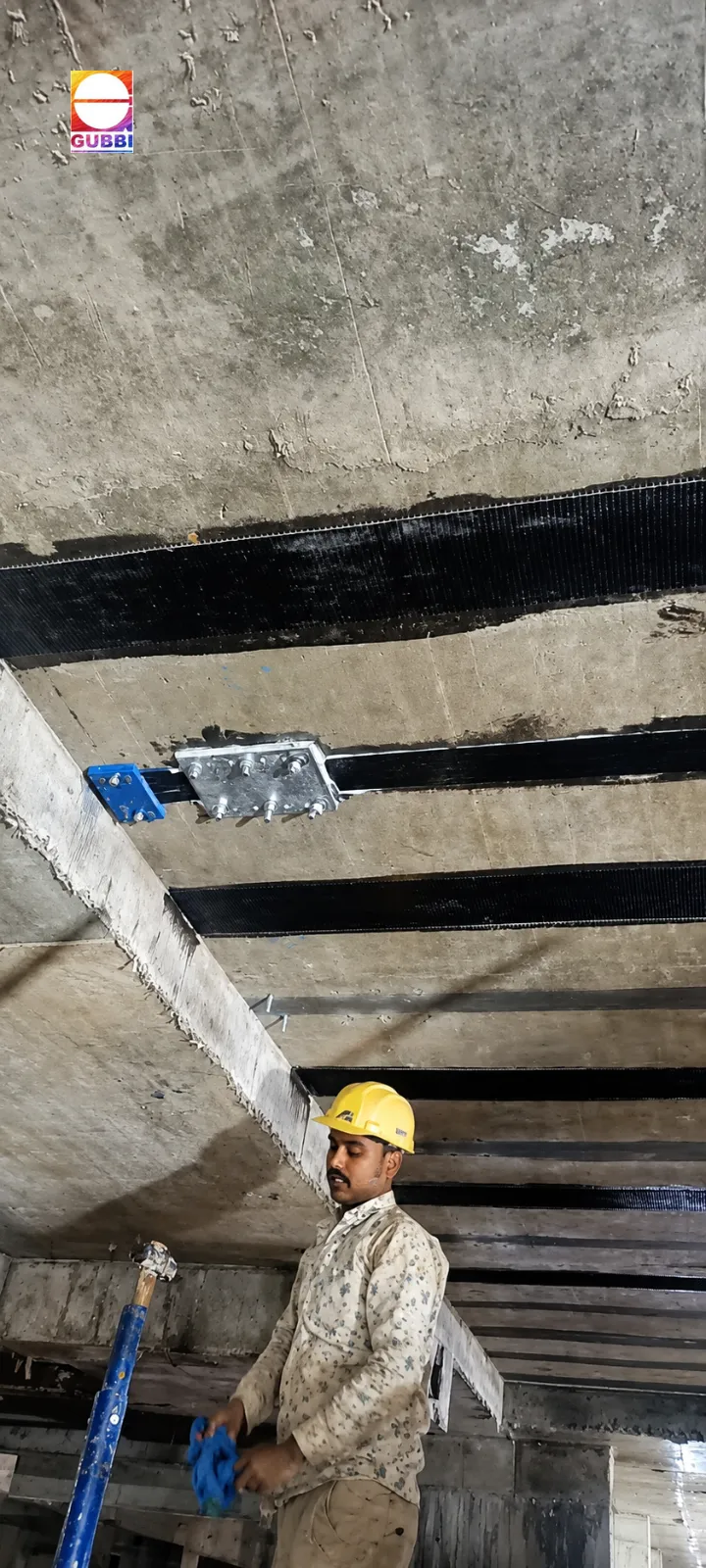
Fibre-reinforced polymer systems, including carbon fibre reinforcement, may be used to strengthen selected concrete members without adding substantial weight. Depending on the design, these systems can improve flexural or shear performance and provide confinement to certain columns. Their suitability depends on the existing concrete condition, required capacity, surface preparation, environmental exposure, and installation requirements. Fibre wrapping is not a universal solution for structural damage, so the underlying cause and the member's capacity should be assessed before choosing this method.
Guniting and Shotcreting
Guniting and shotcreting involve applying cementitious material pneumatically to prepared surfaces. They may be appropriate for selected rehabilitation works involving concrete walls, retaining structures, industrial components, and irregular surfaces where conventional placement is difficult. Performance depends on substrate preparation, reinforcement arrangement, application technique, material properties, and curing. These methods should be specified only when they suit the project requirements. The condition of the existing structure and the required thickness must be evaluated before execution.
Structural Repair Versus Structural Retrofitting
Structural repair and structural retrofitting are closely related, but they serve different purposes. Repair primarily addresses existing damage and restores affected components to the required condition. Retrofitting modifies an existing structure to improve its performance or accommodate changed requirements. A project may require both when deterioration has affected a member and the facility must support additional loads. The choice depends on inspection findings, structural analysis, intended use, and the condition of the existing materials.
Consider a manufacturing facility where a concrete column has deteriorated because of reinforcement corrosion. Repair may be needed to restore the damaged concrete and address the corrosion mechanism. If the company also plans to install heavier machinery, engineers must separately determine whether the column and supporting structure can accommodate the additional load. The resulting scope could involve repair, strengthening, or both. Making this distinction helps owners avoid unnecessary work while ensuring that important structural requirements are not overlooked.
Planning Repairs Without Unnecessary Operational Disruption
Repair activities in active industrial and commercial facilities require coordination with maintenance teams, production managers, safety personnel, and contractors. Work areas may contain operating equipment, electrical services, vehicle movement, or restricted access zones. Planning should account for these conditions before materials and labour arrive on site. Depending on the repair method, the work may be divided into phases or scheduled during maintenance shutdowns. Operational convenience must never override essential structural safety requirements or required curing periods.
Before appointing structural repair contractors, request a written proposal describing the investigation findings, repair methodology, materials, execution sequence, safety arrangements, inspection points, and expected limitations. For industrial, commercial, and infrastructure projects, Gubbi Civil Engineers Limited may be considered when evaluating potential contractors against the project's technical scope and site requirements. A clear proposal makes it easier to compare quotations fairly, understand the work included, and identify exclusions or additional activities that could affect the project.
Factors That Influence Structural Repair Costs
The cost of structural repair services depends on the type of defect, severity of deterioration, affected area, accessibility, and repair method. Work involving elevated structures, confined spaces, heavy equipment, or difficult access may require additional resources and safety arrangements. Testing, temporary supports, reinforcement replacement, protective coatings, and specialised repair materials can also influence the overall budget. Consequently, a reliable estimate should be based on the actual site condition and defined scope rather than surface measurements alone.
When comparing quotations, businesses should examine material specifications, surface preparation, reinforcement treatment, testing, workmanship requirements, and quality checks. A lower quotation may exclude essential activities or provide a limited repair scope that does not address the cause of deterioration. However, a higher price should also be supported by a clear technical justification. Comparing equivalent scopes helps decision-makers understand the value offered by each contractor and select a solution that meets engineering requirements and budget constraints.
How to Select Suitable Structural Repair Contractors
Selecting a contractor requires reviewing technical experience, knowledge of relevant repair methods, safety procedures, workforce capabilities, and quality-control practices. Ask whether the proposed team has experience with structures similar to yours, particularly where industrial operations, chemical exposure, heavy loads, or difficult access conditions are involved. Request a clear explanation of how the damage will be assessed and repaired. The contractor should be able to explain the proposed approach in understandable terms and identify where specialist engineering approval is required.
Businesses should also establish how progress will be documented and how completed work will be inspected. Relevant records may include material details, preparation checks, testing results, application records, curing requirements, and photographs of concealed stages. The specific documentation depends on the project and technical specifications. Agreeing on these requirements before work starts supports accountability and makes future maintenance easier. A structured selection process reduces uncertainty and helps ensure that the chosen contractor understands both the engineering scope and site conditions.
Preventive Maintenance After Structural Repairs
Completing a repair does not remove the need for continued inspection and maintenance. Structures remain exposed to moisture, temperature changes, chemical attack, vibration, and operational loads after rehabilitation. Owners should establish inspection schedules based on the structure's condition, use, and environment. Particular attention should be given to previously repaired areas, joints, drainage arrangements, protective coatings, and locations where water regularly collects. Keeping inspection records helps identify recurring defects and supports more informed decisions about maintenance priorities.
Preventive maintenance should also include reviewing changes in facility use. Installing heavier equipment, modifying production layouts, increasing storage loads, or altering structural connections may require an engineering review before implementation. Water leakage and damaged protective systems should be investigated rather than repeatedly covered with surface treatments. By combining periodic inspections with timely corrective work, facility managers can identify developing concerns earlier and plan maintenance activities more effectively throughout the structure's service life.
Frequently Asked Questions
When should structural repair services be considered?
Structural repair services should be considered when a structure shows worsening cracks, concrete spalling, exposed reinforcement, corrosion stains, unusual deflection, or recurring deterioration. The significance of each symptom depends on its location and cause. An inspection helps determine whether the problem is cosmetic, related to durability, or potentially structural. If serious movement or falling concrete is observed, restrict access to the affected area and seek prompt professional evaluation before normal use continues.
How do structural repair contractors decide on a repair method?
Structural repair Contractors work from inspection findings and, where necessary, engineering recommendations. The decision considers the cause of damage, condition of concrete and reinforcement, loading requirements, environmental exposure, accessibility, and intended service life. Some problems may require crack injection or section restoration, while others may need strengthening or a broader rehabilitation strategy. Selecting the method after understanding the defect helps avoid unsuitable treatments and improves the likelihood of achieving the intended repair outcome.
Can damaged concrete be repaired without replacing the entire structure?
In many cases, localised deterioration can be repaired without replacing the entire structure, provided the remaining structure is suitable and the repair is properly designed. The feasibility depends on the severity of damage, residual capacity, extent of corrosion, foundation conditions, and other findings from the assessment. Some situations require extensive strengthening or replacement of individual components. Engineers must evaluate the evidence before deciding whether targeted repair, comprehensive rehabilitation, or reconstruction is appropriate.
What is the difference between concrete repair and structural strengthening?
Concrete repair addresses deterioration or damage in existing concrete, while structural strengthening aims to improve a member's capacity or performance when the assessment identifies a need. A damaged column may require concrete restoration, but strengthening may also be necessary if its capacity is insufficient for the intended loads. The two activities can be combined within one project. Their scope should be determined through engineering assessment rather than assuming every repair automatically increases structural capacity.
How can businesses reduce recurring structural damage?
Businesses can reduce recurring damage by identifying its original cause, correcting water ingress, monitoring structural changes, maintaining protective systems, and arranging periodic inspections. They should also review changes to equipment loads and operating conditions before implementation. Repairs must be executed according to the approved methodology, with suitable materials, preparation, and curing. Documenting the work and checking repaired areas over time helps facility managers recognise repeated deterioration and respond before problems become more extensive.
Structural repair requires a clear understanding of how and why a structure has deteriorated. Cracks, corrosion, spalling, foundation movement, and operational damage can have different causes, so the appropriate response depends on inspection findings and engineering requirements. A systematic approach helps businesses distinguish ordinary maintenance from structural intervention, compare contractors effectively, and plan suitable repair or strengthening work. This supports better decisions about safety, maintenance budgets, operational continuity, and existing infrastructure assets.
For industrial and commercial facility owners, timely investigation is often more useful than repeatedly treating visible defects without understanding their cause. Selecting suitable structural repair contractors, defining the scope clearly, and maintaining records after completion can improve repair planning and help prevent recurring problems. Every structure has different requirements, making site-specific assessment essential. A well-planned repair strategy focuses on the actual condition of the structure and its intended future performance.







Sign in to leave a comment.